What Is the Best Facial Treatment for Wrinkles? A Complete Guide to Turning Back the Clock
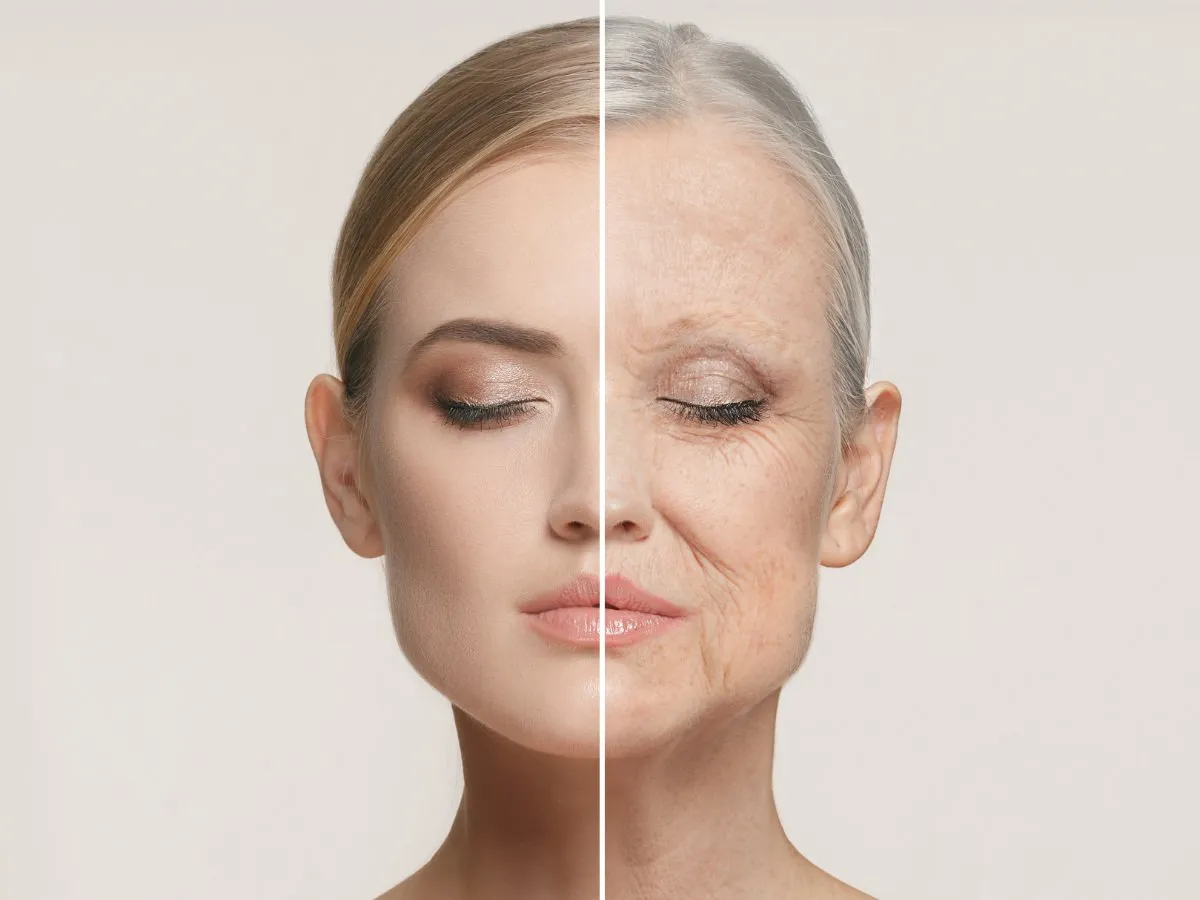
⚑ Did You Know? Collagen production drops by roughly 1% every year after age 20 — and by your 40s, those losses are visible in the mirror. Fine lines, deep furrows, and sagging skin are not signs of neglect; they are signs of biology. The good news? Modern facial treatments can dramatically slow, reverse, and even prevent the most common signs of skin aging. |
Your skin tells your story — but what if you could rewrite a few of the chapters? Every year, millions of people search for the answer to one of beauty's most pressing questions:
what is the best facial treatment for wrinkles? With an overwhelming number of options — from clinical lasers to plant-based serums — the search for smooth, youthful skin can feel more confusing than empowering.
In this comprehensive guide, you will discover exactly how each leading anti-aging facial treatment works, who it is best suited for, what kind of results you can realistically expect, and how to match the right treatment to your skin type, lifestyle, and budget. Whether you are just starting to notice the first fine lines or you are managing deeper wrinkles and volume loss, this article is your definitive roadmap to radiant, age-defying skin.
Understanding Wrinkles: Why They Form and What Drives Them
Before exploring the best facial treatment for wrinkles, it helps to understand what you are actually treating. Wrinkles are not a single phenomenon — they fall into two broad categories, and the type you have significantly influences which treatment will work best.
Dynamic vs. Static Wrinkles
Dynamic wrinkles form from repeated muscle movement — smiling, squinting, and frowning gradually etch lines into the skin. You see these most commonly around the eyes (crow's feet) and forehead. Static wrinkles, by contrast, are present even when the face is at rest. They result from collagen loss, reduced skin elasticity, and the cumulative effects of sun damage.
The root causes of wrinkles include:
• Collagen and elastin degradation driven by the natural aging process
• UV radiation from sun exposure (photoaging), which is responsible for up to 80% of visible facial aging according to dermatological research
• Repetitive facial expressions over decades
• Dehydration and impaired skin barrier function
• Lifestyle factors such as smoking, poor diet, chronic stress, and inadequate sleep
• Environmental pollutants that generate free radical damage
Understanding these causes helps you not only choose the right treatment but also adopt the supportive habits that protect your results long-term.
What Is the Best Facial Treatment for Wrinkles? The Top Options Ranked
There is no single universal answer — but there is a best answer for your skin. Below is a detailed breakdown of the most effective, evidence-backed wrinkle treatments available today, from least to most intensive.
1. Microcurrent Facial — Non-Invasive Muscle Toning
A microcurrent facial delivers ultra-low-level electrical currents that mimic the body's own bioelectric field. These gentle pulses re-educate facial muscles, stimulate ATP (adenosine triphosphate) production, and encourage the synthesis of collagen and elastin. The result is a subtly lifted, firmer appearance often described as a 'non-surgical facelift.'
Microcurrent is ideal for early-stage wrinkles, sagging skin along the jawline, and clients who prefer a completely painless, no-downtime experience. To explore this treatment in depth, read about what is a microcurrent facial and how it compares to other non-invasive modalities.
2. Radio Frequency Facial — Deep Collagen Remodeling
Radio frequency (RF) facial treatments use electromagnetic energy to heat the dermis — the deep layer of skin — triggering an immediate contraction of collagen fibers and stimulating new collagen production over the following weeks. Unlike surface treatments, RF penetrates deeply, making it particularly effective for moderate to severe wrinkles and skin laxity.
Results typically continue improving for three to six months after treatment as newly synthesized collagen remodels the skin. For a thorough explanation of the science behind it, read how radio frequency facial works.
3. Chemical Peels — Surface Renewal Through Controlled Exfoliation
Chemical peels use acid formulations — such as glycolic acid, lactic acid, trichloroacetic acid (TCA), or phenol — to dissolve the bonds between dead and damaged skin cells, accelerating cellular turnover and revealing fresher, smoother skin beneath. Depending on depth:
• Light peels: Treat fine lines, uneven tone, and mild texture irregularities with zero downtime
• Medium peels: Address moderate wrinkles, sun damage, and age spots with 5-10 days of peeling
• Deep peels: Significantly reduce deep wrinkles and severe photoaging with a longer recovery period
For a complete overview of what to expect before committing, explore the chemical peel benefits and risks guide.
One key consideration: the choice of acid matters. To understand how different acids compare for anti-aging purposes, the breakdown of mandelic acid vs glycolic acid is an essential read.
4. Microdermabrasion — Mechanical Exfoliation for Smoother Skin
Microdermabrasion uses a diamond-tipped wand or fine crystal stream to physically abrade the outermost layer of skin, removing dulling dead cells and stimulating circulation and mild collagen activity. It is best suited for fine surface lines, mild sun damage, and overall skin radiance. While it is less dramatic than peels or energy-based treatments, it works beautifully as a regular maintenance step.
5. Microneedling — Collagen Induction Therapy
Microneedling creates thousands of microscopic punctures in the skin using ultra-fine needles, triggering the body's wound-healing cascade and stimulating robust collagen and elastin production. It is one of the most versatile anti-wrinkle treatments, also improving skin texture, pore size, and acne scarring.
Curious about whether microdermabrasion or microneedling is the better fit? This comparison of microdermabrasion vs microneedling walks through the key differences in depth.
6. LED Light Therapy — Photobiomodulation for Cellular Repair
LED (light-emitting diode) therapy uses specific wavelengths of light to target different skin concerns at the cellular level. Red light (around 630-660 nm) penetrates the dermis to stimulate fibroblast activity, boosting collagen production and reducing inflammation — making it a standout choice for anti-aging. Near-infrared light goes even deeper, improving skin density and elasticity.
Discover the full spectrum of LED light therapy benefits and how to incorporate this treatment into your skincare routine.
7. Photo Facial (IPL) — Targeting Sun Damage and Pigmentation
Intense Pulsed Light (IPL) photo facials deliver broad-spectrum light energy that targets pigment irregularities, redness, and fine lines caused by sun damage. While not a laser, IPL effectively addresses the discoloration component of aging skin, creating a more even canvas that naturally looks younger and fresher. Learn more about what is a photo facial treatment and whether it is right for you.
8. Thermoclear Treatment — Precision Skin Refinement
Thermoclear is a high-frequency treatment that uses thermal energy to precisely target and eliminate benign skin irregularities — including milia, sebaceous hyperplasia, and broken capillaries — that can age the appearance of skin. It is a remarkable complementary treatment to anti-wrinkle protocols. For a full walkthrough, read about the Thermoclear treatment explained.
9. CO2 Facial — Advanced Skin Rejuvenation
The CO2 facial is one of the most advanced non-invasive wrinkle treatments, using controlled carbon dioxide application to trigger a carboxy therapy response that boosts microcirculation, oxygenates tissues, and stimulates fibroblast activity. It is increasingly popular for its ability to dramatically improve skin firmness and radiance. Understand exactly what is CO2 facial treatment and what makes it stand out.
Facial Treatment Comparison Table: Which Is Best for Your Wrinkles?
Use this at-a-glance comparison to identify which treatment aligns with your wrinkle concerns, skin type, and lifestyle.
Treatment | Best For | Downtime | Results Timeline | Sessions Needed |
Microcurrent Facial | Early lines, sagging, lifting | None | Immediate + cumulative | Series of 6-10 |
Radio Frequency | Moderate-severe laxity, deep wrinkles | Minimal | 3-6 months | 3-6 sessions |
Chemical Peel (Light) | Fine lines, dull skin, tone | None | 1-2 weeks | Monthly |
Chemical Peel (Medium) | Moderate wrinkles, sun damage | 5-10 days | 2-4 weeks | 1-3 per year |
Microdermabrasion | Surface texture, fine lines | None | 1-2 weeks | Monthly |
Microneedling | Collagen loss, texture, scars | 2-4 days | 4-8 weeks | 3-6 sessions |
LED Light Therapy | Mild lines, inflammation, collagen | None | 4-8 weeks | 6-12 sessions |
Photo Facial (IPL) | Sun damage, pigmentation, redness | Minimal | 2-4 weeks | 3-5 sessions |
Thermoclear | Skin tags, milia, capillaries | Minimal | Immediate | 1-3 sessions |
CO2 Facial | Firmness, radiance, oxygenation | None | Immediate + cumulative | Series |
How to Choose the Right Anti-Wrinkle Facial for Your Skin Type
The best facial treatment for wrinkles is always the one matched to your individual skin profile. Here is how to think about your skin type in relation to treatment choice. For personalized guidance, explore best facial for your skin type.
Dry or Mature Skin
Dry skin lacks the lipid barrier needed to buffer aggressive treatments. LED light therapy, microcurrent, and hydrating chemical peels (lactic acid) are excellent starting points. Support these treatments with a strong moisturizing routine and vitamin C serum benefits for enhanced collagen stimulation.
Oily or Acne-Prone Skin
Microneedling and salicylic acid-based peels work well for oily skin while simultaneously targeting wrinkles. Avoid thick, occlusive treatments that can clog pores. If you are also managing breakouts, read about how to treat hormonal acne before scheduling wrinkle treatments, as active acne can require protocol adjustments.
Sensitive or Rosacea-Prone Skin
Gentle is the word here. LED light therapy, mild microcurrent, and enzyme-based exfoliants are the safest bets. Avoid aggressive peels, strong IPL settings, and any treatment that generates significant heat. For safety guidance specific to reactive skin, read about treating rosacea safely.
Combination Skin
Combination skin benefits from a layered approach: a mild peel or microdermabrasion to balance the T-zone while using LED or microcurrent to lift and firm drier areas. Custom facials with targeted zones are often the best strategy.
The Role of Active Ingredients in Wrinkle Reduction
No facial treatment operates in isolation — the skincare ingredients you use at home can dramatically amplify or undermine your results. The following are the most scientifically validated active ingredients for wrinkle reduction:
Key Anti-Aging Ingredients at a Glance Vitamin C (L-ascorbic acid): Boosts collagen synthesis, neutralizes free radicals, brightens hyperpigmentation. Explore the full range of vitamin C serum benefits for skin. Saffron Extract: A powerful antioxidant and brightening agent with emerging evidence for anti-aging support. Read about saffron benefits for skin. Meristem Extract: Derived from plant stem cells, this emerging ingredient supports cellular renewal and skin resilience. Discover what is meristem extract and why it is gaining traction in professional skincare. Retinol (Vitamin A): The gold standard of anti-aging topicals, proven to accelerate cell turnover and stimulate collagen. Hyaluronic Acid: Draws water into the skin, plumping fine lines and improving overall skin texture. |
Esthetician vs. Dermatologist: Who Should Treat Your Wrinkles?
This is one of the most important questions when beginning any anti-aging facial journey. The answer depends on the severity of your concerns and the type of treatment you seek. For a detailed breakdown, read esthetician vs dermatologist.
In general:
• Licensed estheticians excel at non-invasive, maintenance, and wellness-focused treatments — microcurrent, LED, surface peels, microdermabrasion, and custom facial protocols
• Dermatologists and cosmetic physicians are needed for prescription-strength treatments — injectable neuromodulators (Botox), dermal fillers, ablative lasers, and deep chemical peels
• Many clients benefit most from a collaborative approach: regular esthetician treatments supported by periodic dermatologist consultations
For those based in California, the guide to how to choose a facial treatment in Los Angeles offers location-specific insights into navigating the professional skincare landscape.
How Often Should You Get Facial Treatments for Wrinkles?
Frequency is one of the most misunderstood aspects of anti-wrinkle facial treatments. Too infrequent and you will not accumulate the collagen-building benefits; too frequent and you risk over-treating, compromising your skin barrier, and undermining results. The resource on how often should you get a facial provides detailed scheduling guidance.
Treatment Type | Initial Phase (Loading Dose) | Maintenance Phase |
Microcurrent Facial | Weekly for 6-10 sessions | Monthly or bi-monthly |
Radio Frequency | Every 3-4 weeks for 3-6 sessions | Every 3-6 months |
Light Chemical Peel | Monthly | Every 4-6 weeks |
Microneedling | Every 4-6 weeks for 3-6 sessions | Every 3-6 months |
LED Light Therapy | 2x per week for 4-6 weeks | Weekly maintenance |
Photo Facial (IPL) | Every 3-4 weeks for 3-5 sessions | 2-3 times per year |
Environmental Factors That Accelerate Wrinkles — And What to Do About Them
Where you live has a measurable impact on how quickly your skin ages. Pollution, UV intensity, humidity, and seasonal temperature swings all affect collagen integrity and skin hydration. For Californians navigating a complex climate, this guide to skin care routine for Los Angeles climate is an invaluable reference for adapting your anti-aging routine to your environment.
Key protective strategies include:
• Daily SPF use — the single most evidence-backed anti-aging intervention available. Read choosing the right SPF for your skin type to find the ideal sun protection for your skin.
• Antioxidant-rich serums to neutralize free radical damage from pollution and UV
• Barrier-supportive moisturizers — understanding oil-based vs water-based products helps you build a routine that genuinely protects your skin
• Avoiding high-glycemic diets and smoking, both of which accelerate collagen glycation and breakdown
What to Expect: Before, During, and After Your First Anti-Wrinkle Facial
Many first-time clients approach anti-wrinkle facial treatments with unrealistic expectations — either hoping for overnight miracles or fearing significant discomfort. The reality is usually neither extreme. For a clear, step-by-step preparation guide, read what to expect at your first facial.
Before Your Treatment
• Avoid retinol, exfoliating acids, and active vitamin C for 48-72 hours before most treatments
• Arrive with clean skin, free of makeup
• Disclose all medications, supplements, and skin conditions to your provider
• Discuss your goals openly — the more information you share, the better the treatment can be customized
During Treatment
• Most non-invasive wrinkle facials cause little to no discomfort — some clients fall asleep during LED or microcurrent sessions
• Energy-based treatments like radio frequency may cause a warming sensation, which is expected and manageable
• Chemical peels produce a mild-to-moderate tingling or stinging sensation that subsides quickly
After Treatment
• Redness, sensitivity, and mild swelling are normal post-treatment responses and typically resolve within hours to days
• Avoid makeup immediately after — find out precisely can you wear makeup after a facial and when it is safe to resume
• Apply SPF diligently — freshly treated skin is more vulnerable to UV damage
• Follow the aftercare protocol your esthetician provides; for ongoing guidance, explore how to maintain facial results
Addressing Co-Occurring Skin Concerns Alongside Wrinkles
Wrinkles rarely appear alone. Most clients managing facial aging are also dealing with at least one of these overlapping concerns:
Hyperpigmentation and Age Spots
Sun damage creates not only wrinkles but also uneven pigmentation that adds years to the appearance of skin. A layered approach combining photo facials (IPL) with brightening serums addresses both simultaneously. The guide to reducing hyperpigmentation naturally offers supportive home-care strategies.
Acne and Post-Acne Scarring
Adult acne and wrinkles are a frustrating combination, but many treatments — including microneedling and certain chemical peels — address both simultaneously. If back acne is also a concern alongside facial aging, the resource on back acne causes and solutions offers helpful context.
Rosacea and Chronic Redness
Facial redness and visible capillaries are aging in their own right — and they complicate treatment choices. The guide to treating rosacea safely is essential reading before choosing any heat-based anti-aging treatment.
Building a Complete Anti-Wrinkle Facial Treatment Plan
The most effective approach to wrinkle reduction is not a single miracle treatment — it is a layered, consistent strategy that combines professional treatments with an intelligent home-care routine. Here is a sample framework:
Sample Anti-Wrinkle Treatment Plan (Moderate Wrinkles, 40s) Month 1-2 (Loading Phase): Weekly microcurrent facials to lift and tone; bi-weekly LED red light therapy sessions to stimulate collagen. Month 3 (Deeper Collagen Work): Introduce one microneedling session to target collagen induction in deeper layers. Month 4 (Surface Refinement): Light glycolic acid chemical peel to refine texture and address mild sun damage. Ongoing Maintenance: Monthly microcurrent or LED session; microneedling every 3-4 months; daily SPF 30+; morning vitamin C serum; evening retinol. Annually: Consider one medium-depth peel or RF session for deeper remodeling. |
The full list of benefits of a facial treatment — from lymphatic drainage to stress hormone reduction — reinforces why regular professional facials are about more than just wrinkles.
What the Research Says: External Evidence for Anti-Aging Facials
The professional skincare industry is increasingly supported by peer-reviewed science. Collagen induction therapy (microneedling), radio frequency, and LED photobiomodulation all have published clinical evidence supporting their efficacy for wrinkle reduction.
For a broader scientific perspective, the American Academy of Dermatology's guide to wrinkle treatments provides authoritative clinical context for many of the treatments discussed in this guide.
Additionally, the National Library of Medicine's published research on collagen and skin aging offers peer-reviewed insight into why targeted facial treatments produce measurable, lasting results when applied consistently.
For photobiomodulation specifically, the Skin Cancer Foundation's resources on photoprotection and skin aging underscore why sun protection remains the most foundational anti-wrinkle investment you can make.
Frequently Asked Questions: What Is the Best Facial Treatment for Wrinkles?
Q: What is the single most effective facial treatment for wrinkles? A: There is no universal 'best' — but for moderate to severe wrinkles, radio frequency and microneedling consistently deliver some of the most dramatic, long-lasting results. For mild lines, microcurrent and LED are highly effective with zero downtime. |
Q: Are anti-wrinkle facial treatments safe? A: When performed by a trained, licensed professional, all treatments discussed in this guide have strong safety profiles. Risks increase with DIY applications and unqualified providers. Always choose a reputable clinic. |
Q: How long before I see results from a wrinkle facial? A: Some treatments — like microcurrent — produce visible lifting immediately, while collagen-induction treatments (microneedling, RF) require 4-12 weeks to show full results as new collagen matures. |
Q: Can I combine multiple wrinkle treatments? A: Absolutely — and a combination protocol is often the most effective strategy. A skilled esthetician will sequence treatments appropriately to avoid over-treating the skin and maximize cumulative benefits. |
Q: What age should I start anti-wrinkle facial treatments? A: Prevention is always more effective than correction. Starting gentle collagen-supporting treatments (LED, microcurrent) in your late 20s or early 30s produces significantly better long-term results than waiting for visible wrinkles to appear. |
Conclusion: Your Path to Smoother, Younger-Looking Skin Starts Here
The question of what is the best facial treatment for wrinkles does not have a one-size-fits-all answer — but it does have a right answer for you. By understanding how each treatment works, what it targets, who it suits, and how to combine modalities strategically, you are no longer guessing. You are making an informed decision rooted in science and personalized to your skin.
Whether you begin with a gentle microcurrent lifting series, invest in a collagen-stimulating radio frequency protocol, or start with a targeted chemical peel, the most important step is simply to start — and to do so with the guidance of a qualified skincare professional who knows your skin.
Beautiful, age-resilient skin is not a privilege reserved for the genetically lucky. It is the result of consistent, intelligent care — and the treatments available today make it more achievable than ever before.
Ready to Find Your Best Wrinkle Treatment? Book a professional skin consultation to receive a personalized treatment plan tailored to your wrinkles, skin type, and goals. A licensed esthetician or dermatologist can design a protocol combining the most effective facial treatments — so you see real, lasting results. Explore all facial treatment benefits and take the first step toward your best skin today. |