Los Angeles residents face unique skincare challenges—from relentless UV exposure to pollution and dry climate conditions that accelerate aging and cause persistent skin issues. Finding the right facial treatment shouldn't feel overwhelming. This comprehensive guide reveals exactly how to choose facial treatment Los Angeles options that match your skin type, address your specific concerns, and fit your budget. By the end, you'll confidently navigate LA's vast beauty landscape and discover treatments that deliver genuine, lasting results for your complexion.
Understanding Facial Treatments: What You Need to Know Before Booking
What Makes Los Angeles Facial Treatments Unique
The City of Angels presents distinct environmental stressors that demand specialized skincare approaches. LA's year-round sunshine means constant UV exposure, while Santa Ana winds carry particulate matter that clogs pores and triggers inflammation. Combined with the city's notoriously dry climate, these factors create the perfect storm for premature aging, hyperpigmentation, and dehydration.
When you're learning how to choose facial treatment Los Angeles services, understanding these local environmental factors becomes crucial. The best LA aestheticians tailor protocols specifically for sun-damaged skin, environmental sensitivity, and the unique needs of diverse skin tones prevalent in this multicultural city.
The Science Behind Professional Facial Treatments
Professional facials go far beyond basic cleansing. Advanced treatments utilize clinical-grade ingredients and technology unavailable in over-the-counter products. Professional-strength chemical peels contain concentrations of glycolic acid, salicylic acid, or trichloroacetic acid (TCA) that penetrate deeper skin layers, while medical-grade microneedling creates controlled micro-injuries that stimulate collagen production at levels home devices cannot achieve.
According to dermatological research, professional treatments can increase product absorption by up to 300%, making active ingredients significantly more effective than home applications. This enhanced penetration, combined with customized ingredient selection and professional application techniques, explains why regular professional facials produce dramatically superior results compared to at-home routines alone.
Types of Facial Treatments Available in Los Angeles
Classic European Facials
Traditional European facials remain popular foundational treatments, particularly for skincare beginners. These typically 60-90 minute sessions include deep cleansing, exfoliation, extractions, massage, and a customized mask application. They're ideal for maintaining healthy skin, addressing minor concerns, and providing relaxation benefits.
Best for: All skin types, maintenance care, first-time facial clients
Average cost in LA: $85-$150
Recommended frequency: Monthly
Chemical Peels and Exfoliation Treatments
Chemical peels use controlled acid solutions to remove damaged outer skin layers, revealing fresher, more youthful skin underneath. When considering how to choose facial treatment Los Angeles options for aging or sun damage, peels deserve serious consideration.
Types of chemical peels available:
Superficial peels: Use alpha-hydroxy acids (AHAs) like glycolic or lactic acid at 20-30% concentrations for gentle exfoliation with minimal downtime
Medium peels: Employ trichloroacetic acid (TCA) at 35-50% to treat moderate wrinkles, uneven pigmentation, and sun damage
Deep peels: Utilize phenol for severe wrinkles and precancerous growths (rarely performed, requires significant recovery)
Los Angeles providers frequently offer specialized peels like the VI Peel, Perfect Derma Peel, or custom formulations targeting specific concerns such as melasma, acne scarring, or photodamage.
Best for: Hyperpigmentation, fine lines, acne scarring, dull complexion
Average cost in LA: $150-$400 per session
Recommended frequency: Every 4-6 weeks for superficial, 2-3x yearly for medium depth
Microneedling and Collagen Induction Therapy
Microneedling involves using fine needles to create thousands of microscopic channels in the skin, triggering the body's wound-healing response and dramatically increasing collagen and elastin production. Many LA practitioners combine microneedling with radiofrequency (RF) energy or platelet-rich plasma (PRP) for enhanced results.
This treatment has gained massive popularity in Los Angeles for its effectiveness on acne scars, large pores, and skin texture issues. Celebrity aestheticians throughout Beverly Hills, West Hollywood, and Santa Monica frequently incorporate advanced microneedling into their signature protocols.
Best for: Acne scars, large pores, fine lines, skin texture, stretch marks
Average cost in LA: $300-$800 per session
Recommended frequency: 4-6 sessions spaced 4-6 weeks apart, then quarterly maintenance
Hydrafacial and Hydrodermabrasion
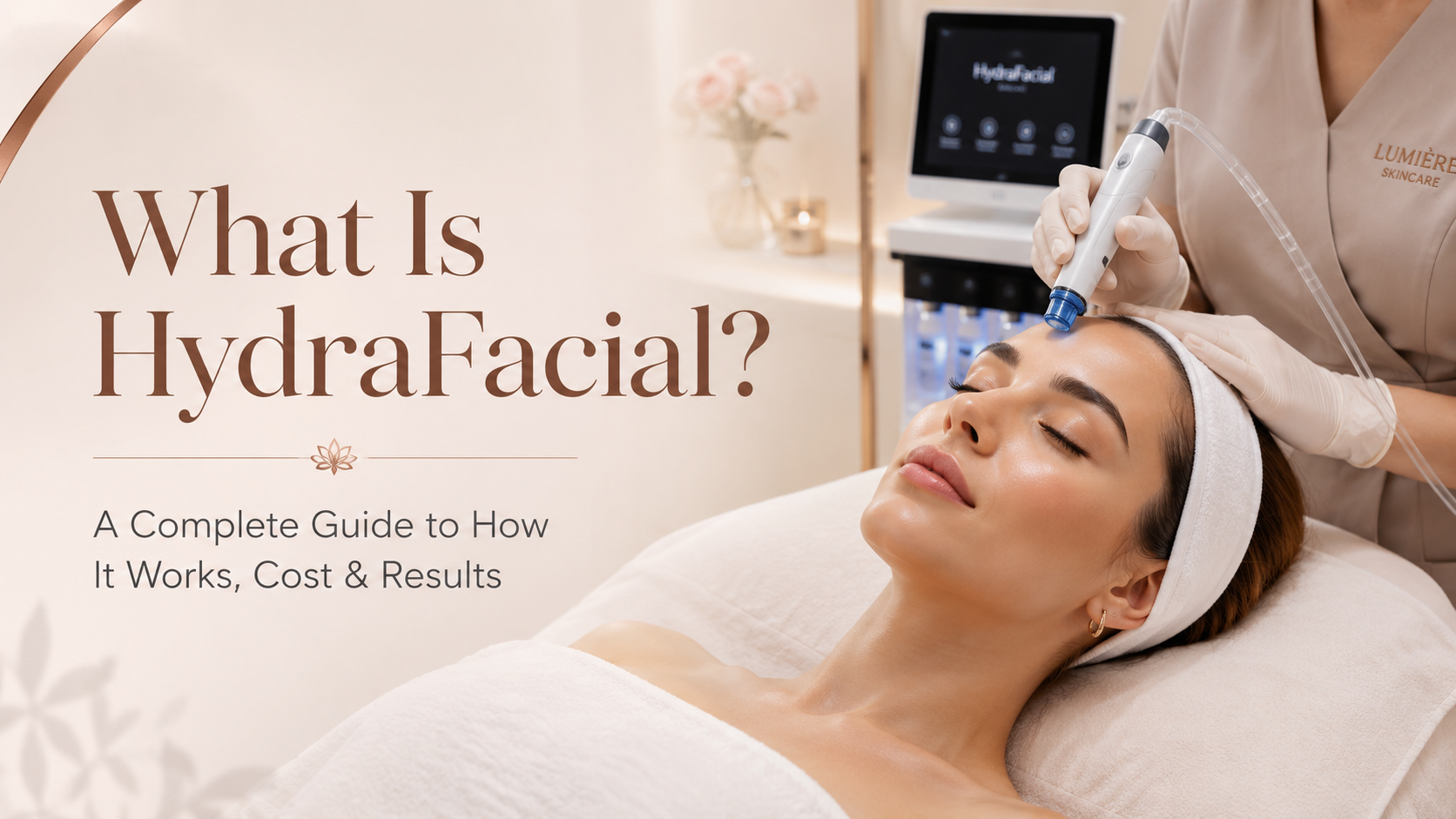
The Hydrafacial has become one of LA's most requested treatments, beloved by celebrities and busy professionals for delivering immediate glow with zero downtime. This patented technology combines cleansing, exfoliation, extraction, and hydration through a unique vortex-fusion delivery system.
Unlike traditional microdermabrasion that uses abrasive crystals, hydrodermabrasion employs water and serums to gently exfoliate while simultaneously infusing skin with antioxidants, peptides, and hyaluronic acid. Results appear instantly, making it perfect before events, photoshoots, or whenever you need rapid skin improvement.
Best for: Dehydrated skin, dullness, congested pores, pre-event preparation
Average cost in LA: $175-$300 per session
Recommended frequency: Monthly for optimal results
LED Light Therapy Facials
Light-emitting diode (LED) therapy uses specific wavelengths to address various skin concerns without heat or downtime. Different colored lights penetrate varying skin depths to trigger distinct cellular responses:
Red light (630-700nm): Stimulates collagen production, reduces inflammation, accelerates healing
Blue light (405-420nm): Kills acne-causing bacteria, reduces breakouts
Green light (520-530nm): Reduces hyperpigmentation, evens skin tone
Amber light (590nm): Reduces redness, supports lymphatic drainage
Many Los Angeles facial studios incorporate LED therapy as a final step in multi-modality treatments, while some offer standalone LED sessions for maintenance between more intensive procedures.
Best for: Acne, inflammation, anti-aging, rosacea
Average cost in LA: $75-$200 per session
Recommended frequency: 2-3 times weekly initially, then weekly maintenance
Oxygen Facials
Oxygen facials deliver pressurized oxygen infused with vitamins, minerals, and botanical extracts directly to the skin's surface. While scientific evidence supporting their long-term benefits remains limited, many clients report immediate plumping effects and radiant glow lasting several days.
These treatments gained fame as red-carpet favorites, with many LA aestheticians offering oxygen facials before premieres, awards shows, and high-profile events. The instant results make them popular despite their temporary nature.
Best for: Immediate radiance, pre-event preparation, sensitive skin
Average cost in LA: $150-$300 per session
Recommended frequency: Before special events or monthly for maintenance
Microcurrent Facials
Often called the "natural facelift," microcurrent facials use low-level electrical currents that mirror the body's natural electrical frequencies to tone and lift facial muscles. Regular treatments can improve facial contour, reduce sagging, and enhance overall skin tone without invasive procedures.
Los Angeles providers often combine microcurrent with other modalities, such as LED therapy or specialized serums, to create comprehensive anti-aging protocols. Results are cumulative, with most visible improvements appearing after a series of treatments.
Best for: Loss of firmness, facial sagging, anti-aging
Average cost in LA: $200-$400 per session
Recommended frequency: 2x weekly for 4-6 weeks, then monthly maintenance
How to Choose Facial Treatment Los Angeles: Key Factors to Consider
Assessing Your Skin Type and Concerns
Understanding your skin type forms the foundation for selecting appropriate treatments. Los Angeles's diverse population means that aestheticians regularly work with all Fitzpatrick skin types (I-VI), each requiring a customized approach.
Skin Type Categories:
Skin Type | Characteristics | Recommended LA Treatments |
Normal | Balanced oil/moisture, minimal issues | European facial, Hydrafacial, LED therapy |
Dry | Flaky, tight, visible lines | Hydrafacial, oxygen facial, hydrating peels |
Oily | Shine, enlarged pores, congestion | Salicylic peels, Hydrafacial with extractions, blue LED |
Combination | Oily T-zone, dry cheeks | Customized European facial, light chemical peels |
Sensitive | Redness, reactivity, irritation | Gentle enzyme peels, LED therapy, oxygen facial |
Acne-prone | Active breakouts, inflammation | Salicylic peels, blue LED, Hydrafacial, microneedling (post-active acne) |
Primary Skin Concerns:
Hyperpigmentation/Sun damage: Chemical peels, microneedling with brightening serums, green LED
Fine lines/Wrinkles: Microneedling, microcurrent, medium-depth peels, red LED
Acne/Breakouts: Salicylic peels, Hydrafacial, blue LED, oxygen (for healing)
Large pores/Texture: Microneedling, chemical peels, Hydrafacial
Redness/Rosacea: LED therapy, gentle enzyme peels, oxygen facials
Dehydration: Hydrafacial, hyaluronic acid treatments, oxygen facials
Researching Qualified Providers in Los Angeles
Los Angeles's beauty industry spans from strip-mall spas to elite medical practices, making provider research essential when choosing facial treatment services in Los Angeles that are both safe and effective.
Essential credentials to verify:
For medical treatments: Board-certified dermatologist or plastic surgeon, or licensed aesthetician working under medical supervision
For standard facials: State-licensed aesthetician with current California Board of Barbering and Cosmetology license
Specialized certifications: Look for advanced training in specific modalities (Hydrafacial certification, chemical peel training, microneedling certification)
Insurance: Verify liability insurance coverage
Facility cleanliness: Check health department inspection records if available
Where to find verified providers:
American Academy of Dermatology provider directory
American Med Spa Association member listings
Yelp and Google reviews (look for detailed experiences, before/after photos)
Instagram portfolios showing actual client results
Personal referrals from trusted friends with similar skin types
Reading Reviews and Testimonials Effectively
Los Angeles's review-heavy culture means most providers accumulate extensive online feedback. Learning to interpret reviews critically helps you make informed decisions.
Red flags in reviews:
Multiple complaints about sanitation or cleanliness
Reports of aggressive sales tactics or package pushing
Unexplained skin reactions or worsening conditions
Rushed treatments or inattentive service
Bait-and-switch pricing (advertised vs. actual costs)
Providers dismissing client concerns or skin reactions
Green flags to seek:
Detailed consultations before treatment
Customization based on individual skin needs
Transparent pricing with no hidden fees
Thorough aftercare instructions
Follow-up contact to check results
Before/after photos of real clients (not stock images)
Practitioners who decline unsuitable treatments
Understanding Treatment Costs and Value
Los Angeles facial treatment pricing varies dramatically based on location, provider credentials, technology used, and treatment complexity. Understanding value versus cost helps you invest wisely.
Neighborhood pricing variations:
Beverly Hills/Bel Air: $200-$800+ per treatment (premium locations, celebrity clientele)
West Hollywood/Santa Monica: $150-$500 per treatment (upscale but slightly more accessible)
Downtown LA/Arts District: $125-$350 per treatment (newer establishments, competitive pricing)
Valley/Suburbs: $85-$250 per treatment (lower overhead, excellent value)
Koreatown: $75-$200 per treatment (outstanding value, advanced Korean techniques)
What affects pricing:
Provider experience and reputation
Technology and equipment quality
Product brands used (medical-grade vs. commercial)
Treatment duration and comprehensiveness
Location overhead costs
Demand and exclusivity
Package deals and memberships: Many LA establishments offer package discounts (20-30% savings) or monthly memberships including one treatment plus retail discounts. These provide value for committed clients but should be avoided if you're still exploring options.
Consultation Questions to Ask
A thorough consultation reveals the provider's expertise and the appropriateness of the treatment. Don't hesitate to ask detailed questions when learning how to choose facial treatment professionals in Los Angeles.
Essential questions for your consultation:
"What specific concerns can this treatment address for my skin type?"
"How many sessions will I need to see results?"
"What are realistic expectations for improvement?"
"What are the potential risks or side effects for my skin tone?" (especially important for deeper skin tones prone to post-inflammatory hyperpigmentation)
"What downtime should I expect?"
"What products or ingredients will be used?"
"What's your experience treating [your specific concern]?"
"Can I see before/after photos of clients with similar skin?"
"What happens if I have a negative reaction?"
"What's the total cost including any recommended product purchases?"
Warning signs during consultation:
Guaranteeing specific results
Pushing immediate payment or packages
Dismissing your concerns or questions
Inability to explain treatment mechanisms
One-size-fits-all recommendations
No skin analysis or customization
Recommending treatments inappropriate for your skin type
Location-Specific Guide: Best Areas for Facial Treatments in Los Angeles
Beverly Hills and West Hollywood
These prestigious neighborhoods house LA's most luxurious medical spas and dermatology practices. Expect cutting-edge technology, celebrity aestheticians, and premium pricing. This area excels in advanced treatments like laser therapies, injectable combinations, and comprehensive anti-aging protocols.
What to expect: Valet parking, spa amenities, extended treatment times, personalized protocols, highest prices.
Best for: Advanced anti-aging treatments, medical-grade procedures, luxury experience
Santa Monica and West LA
This coastal region offers upscale but slightly more approachable options than Beverly Hills. Many practitioners specialize in natural, holistic approaches alongside clinical treatments, reflecting the area's wellness-focused culture.
What to expect: Relaxed atmosphere, organic product options, beach-ready skin focus, moderate to high pricing.
Best for: Hydration treatments, sun damage repair, holistic approaches
Downtown LA and Arts District
LA's urban core has seen an explosion of modern, aesthetically designed facial studios catering to young professionals. These spaces often blend minimalist design with effective treatments at competitive prices.
What to expect: Streamlined services, efficient appointments, modern aesthetics, mid-range pricing.
Best for: Quick treatments, Hydrafacials, LED therapy, lunch-hour facials
Koreatown
K-town offers exceptional value and access to advanced Korean skincare techniques and technologies often unavailable elsewhere. Many aestheticians trained in Korea bring specialized knowledge of multi-step protocols and innovative treatments.
What to expect: Extended treatment times, multi-step protocols, sheet masks, essence layering, excellent value.
Best for: Acne treatment, brightening, hydration, Korean beauty techniques
San Fernando Valley
Valley locations provide outstanding value without sacrificing quality. Lower overhead costs translate to more accessible pricing while maintaining professional standards and advanced equipment.
What to expect: Neighborhood atmosphere, personalized attention, accessible pricing, ample parking.
Best for: Budget-conscious clients, regular maintenance facials, comprehensive services
Pasadena and San Gabriel Valley
These areas blend professional medical practices with approachable day spas. The demographic diversity means providers are experienced with all skin types and tones.
What to expect: Professional medical oversight, cultural competency, moderate pricing, family-owned businesses.
Best for: Medical-grade treatments, ethnic skin expertise, comprehensive skin analysis
Creating Your Personalized Facial Treatment Plan
Setting Realistic Skin Goals
Professional facial treatments deliver remarkable results, but understanding realistic timelines and outcomes helps prevent disappointment and keeps you committed to your skincare journey.
Timeframe expectations:
Immediate results (1-3 days): Hydrafacial, oxygen facial, LED therapy for glow and hydration
Short-term results (1-2 weeks): Superficial peels showing improved texture and brightness
Medium-term results (4-8 weeks): Visible reduction in hyperpigmentation, acne improvement, fine line softening
Long-term results (3-6 months): Significant improvement in acne scarring, deep wrinkles, skin laxity (requires series of treatments)
Setting achievable goals:
Rather than expecting perfection, frame your goals as measurable improvements. Instead of "eliminate all wrinkles," aim for "reduce crow's feet depth by 40-50%" or "improve overall skin texture and radiance." Your aesthetician can help establish realistic benchmarks based on your starting point and the treatments you choose.
Building a Treatment Schedule
Consistency drives results in professional skincare. Your treatment schedule should balance effectiveness, recovery time, budget, and lifestyle demands.
Sample treatment schedules for common goals:
For anti-aging (fine lines, loss of firmness):
Months 1-3: Microneedling every 4 weeks (3 sessions)
Months 4-6: Monthly Hydrafacial for hydration and glow
Ongoing: Quarterly microneedling, monthly Hydrafacials
For acne and scarring:
Months 1-2: Bi-weekly salicylic peels (4 sessions)
Months 3-5: Monthly microneedling (3 sessions post-active acne)
Ongoing: Monthly Hydrafacials, quarterly peels as needed
For hyperpigmentation:
Months 1-3: Chemical peel every 4 weeks (3 sessions)
Months 4-6: Maintenance peels every 6 weeks
Ongoing: Quarterly peels, monthly brightening facials
For maintenance (healthy skin):
Monthly European facials or Hydrafacials
Quarterly chemical peels or microneedling
LED therapy as desired between major treatments
Combining Professional Treatments with Home Care
Professional facials deliver optimal results when supported by appropriate home skincare. Think of treatments as deep-cleaning and renovation, while daily home care maintains and protects your investment.
Essential home care components:
Gentle cleanser: Remove makeup, sunscreen, and pollutants without stripping
Treatment products: Retinoids, vitamin C, or prescribed actives addressing your concerns
Moisturizer: Appropriate for your skin type and climate
Sunscreen: Non-negotiable SPF 30+ daily (especially crucial in sunny LA)
Optional boosters: Serums, essences, or targeted treatments recommended by your aesthetician
Product recommendations based on LA climate:
Los Angeles's dry air and intense sun require specific product adjustments. Look for:
Hydrating ingredients: Hyaluronic acid, glycerin, ceramides
Antioxidants: Vitamin C, vitamin E, ferulic acid (combat pollution and UV damage)
Broad-spectrum SPF: Physical blockers (zinc, titanium) or stable chemical filters
Humectants and occlusives: Draw and seal moisture in dry conditions
Your aesthetician should recommend specific products that complement your treatments without causing conflicts or irritation.
Tracking Your Progress
Documenting your skincare journey helps you objectively assess treatment effectiveness and justify continued investment.
Effective tracking methods:
Photos: Take consistent photos (same lighting, angle, distance) before starting treatments and monthly thereafter
Skin journal: Note treatments received, products used, environmental factors, lifestyle changes
Progress markers: Rate specific concerns (pore size, hyperpigmentation, texture) on a 1-10 scale monthly
Professional assessments: Request quarterly skin analyses using consistent imaging technology
Many LA providers use advanced imaging systems (VISIA skin analysis, Observ skin diagnostic) that quantify improvements that are invisible to the naked eye, including UV damage, pore count, and texture.
Safety Considerations and Potential Risks
Understanding Common Side Effects
All facial treatments carry some risk of side effects, though most are mild and temporary. Knowing what to expect helps you distinguish normal reactions from genuine problems.
Normal post-treatment responses:
Redness: Lasting 30 minutes to 24 hours (immediate treatments) or 2-7 days (intensive treatments)
Dryness/flaking: Common 2-5 days after chemical peels or intensive exfoliation
Mild swelling: Expected for 24-48 hours after microneedling or intensive treatments
Sensitivity: Temporary increased reactivity to products and environmental factors
Purging: Initial breakouts when starting active treatments (indicates accelerated cell turnover)
Concerning reactions requiring contact with provider:
Severe pain or burning persisting beyond treatment
Blistering or crusting (except when specifically expected with deep peels)
Infection signs (increasing redness, warmth, pus, fever)
Allergic reactions (hives, difficulty breathing, significant swelling)
Hyperpigmentation or hypopigmentation (especially in darker skin tones)
Reactions worsening rather than improving after 48-72 hours
Special Considerations for Different Skin Tones
Los Angeles's ethnic diversity means that aestheticians regularly treat melanin-rich skin, which requires specialized protocols. Post-inflammatory hyperpigmentation (PIH) represents the primary concern for Fitzpatrick types IV-VI.
Modified protocols for darker skin tones:
Lower concentration peels with gradual strength increases
Patch testing mandatory before full-face applications
Extended recovery periods between treatments
Specialized pre-treatment protocols (hydroquinone, kojic acid, vitamin C)
Conservative microneedling depth settings
Strict sun protection protocols
When researching how to choose facial treatment providers in Los Angeles, specifically ask about their experience treating your skin tone and request before-and-after photos of clients with similar complexions.
When to Avoid Facial Treatments
Certain conditions contraindicate facial treatments temporarily or permanently. Always disclose relevant medical information during consultations.
Temporary contraindications:
Active cold sores or herpes outbreak
Sunburn or excessive sun exposure within 2 weeks
Recent cosmetic injections (wait 2 weeks minimum)
Active rosacea flare
Open wounds, cuts, or abrasions
Pregnancy/breastfeeding (many treatments)
Permanent or conditional contraindications:
Keloid scarring tendency
Active cancer treatment
Autoimmune conditions (on a case-by-case basis)
Blood clotting disorders
Certain medications (isotretinoin, blood thinners)
Pacemakers or metal implants (for microcurrent/RF)
Post-Treatment Care Guidelines
Proper aftercare maximizes results and minimizes complications. Your aesthetician should provide detailed written instructions, but general guidelines include:
First 24-48 hours:
Avoid touching face unnecessarily
Skip makeup if possible (mineral makeup okay if necessary)
Use only recommended gentle products
Avoid hot water, steam, saunas, hot yoga
No active workouts causing excessive sweating
Apply ice/cold compress for swelling if recommended
First week:
Rigorous sun protection (SPF 50+, physical blocker preferred)
Avoid retinoids, vitamin C, or other actives unless cleared
No swimming (chlorine/bacteria exposure)
Allow natural peeling without picking or pulling
Maintain gentle cleansing routine
Use recommended healing ointments or serums
Ongoing:
Resume active products gradually as directed
Maintain sunscreen diligence (permanent requirement)
Avoid additional exfoliation between treatments
Stay hydrated and support skin health from within
Cost-Benefit Analysis: Are Professional Facials Worth It?
Comparing Professional vs. At-Home Results
The skincare industry markets numerous at-home devices and products claiming professional-level results. Understanding actual differences helps you invest wisely.
Professional advantages:
Ingredient concentrations: Clinical-grade acids, retinoids, and actives unavailable OTC
Technology power: Professional lasers, RF devices, and LED panels operate at therapeutic levels impossible to replicate at home safely
Expertise: Trained assessment, customization, and technique application
Immediate extraction: Professional removal of blackheads and congestion
Controlled environment: Sterile conditions, appropriate pressure, depth control
Combination therapies: Layered treatments delivering synergistic benefits
At-home limitations:
Lower concentration actives (safety regulations)
Less powerful devices (FDA restrictions for home use)
No customization or professional assessment
Risk of improper technique causing damage
Limited ability to address complex concerns
Optimal approach: Professional treatments for intensive correction and deep work, supplemented by quality at-home care for daily maintenance and protection.
Long-Term Investment Strategy
Strategic skincare spending delivers better results than sporadic expensive treatments. Consider professional facials a long-term investment that requires consistent commitment.
Sample annual skincare budgets:
Conservative budget ($1,200-$1,500/year):
Monthly maintenance facial ($100 × 12 = $1,200)
Quality home skincare ($300)
Moderate budget ($2,400-$3,600/year):
Monthly Hydrafacials ($200 × 12 = $2,400)
Quarterly chemical peels ($200 × 4 = $800)
Quality home skincare ($400)
Aggressive results-focused budget ($6,000-$10,000/year):
Microneedling series ($500 × 6 = $3,000)
Monthly maintenance facials ($200 × 12 = $2,400)
Quarterly medical-grade peels ($400 × 4 = $1,600)
Premium homecare products ($800-$1,000)
Alternative Options and Considerations
If professional treatments exceed your budget, several alternatives deliver meaningful results:
Aesthetician training schools: Licensed students provide supervised services at 50-70% discounts (Marinello Schools, SkinLab, Paul Mitchell schools throughout LA)
Medical spa specials: Many practices offer new client discounts, seasonal promotions, or package deals
Membership programs: Monthly memberships often include one treatment plus product discounts
Strategic timing: Focus professional treatments on intensive series (3-6 sessions) for specific concerns, then maintain with quality home care
Prioritization: Invest in treatments addressing your primary concern while maintaining basic care for other aspects
Maximizing Your Facial Treatment Results
Lifestyle Factors That Impact Skin
Professional treatments work in concert with your overall lifestyle. Certain factors dramatically influence results:
Sleep quality: Skin repairs itself during deep sleep. Aim for 7-9 hours nightly. Poor sleep increases cortisol levels, triggering inflammation and breakouts while reducing skin barrier function.
Hydration: LA's dry climate demands conscious water intake. Target half your body weight in ounces daily (minimum 64oz). Dehydrated skin shows more pronounced wrinkles and responds poorly to treatments.
Diet: High-glycemic foods, dairy, and excessive sugar trigger inflammation and acne in susceptible individuals. Antioxidant-rich foods (berries, leafy greens, fatty fish) support skin health from within.
Stress management: Chronic stress elevates cortisol, compromising skin barrier function and triggering inflammatory conditions like acne, eczema, and psoriasis. Regular stress-reduction practices enhance treatment outcomes.
Exercise: Moderate exercise increases circulation, delivering oxygen and nutrients to skin while removing toxins. However, excessive sweating immediately post-treatment can irritate skin during recovery.
Pollution protection: LA's air quality challenges demand antioxidant protection. Topical vitamin C, E, and ferulic acid combat free radical damage from environmental pollutants.
Seasonal Treatment Adjustments
Los Angeles's mild climate allows year-round treatments, but seasonal adjustments optimize results and minimize risks.
Summer considerations (June-September):
Avoid intensive peels and laser treatments (increased photosensitivity risk)
Focus on hydration, antioxidant treatments, LED therapy
Schedule treatments for evenings to avoid immediate sun exposure
Increase SPF to 50+ and reapply every 2 hours
Consider lighter peels versus intensive exfoliation
Fall/Winter optimal window (October-March):
Ideal for aggressive treatments (chemical peels, microneedling series, laser)
Lower UV index reduces post-treatment pigmentation risk
Plan intensive series during these months for summer reveal
Take advantage of reduced sun exposure for maximum treatment intensity
Spring transition (April-May):
Complete any intensive treatment series before summer
Shift to maintenance mode and protection focus
Build up sun tolerance gradually while maintaining protection
Building Relationships with Providers
Consistent provider relationships yield better results than bouncing between practitioners. Your aesthetician learns your skin's patterns, responses, and goals, allowing increasingly customized protocols.
Benefits of provider loyalty:
Consistent baseline for measuring progress
Institutional knowledge of your skin history
Trust and communication comfort
Often preferred scheduling and loyalty perks
Coordinated long-term planning
Someone invested in your results
When to consider changing providers:
Lack of visible results after 6-9 months of consistent treatment
Poor communication or dismissed concerns
Skin conditions worsening rather than improving
Aggressive sales tactics or package pressure
Hygiene concerns
Feeling rushed or receiving inconsistent attention
Common Mistakes to Avoid When Choosing Facial Treatments
Over-Exfoliation and Treatment Frequency Errors
Enthusiasm for results sometimes drives clients to over-treat, causing more harm than benefit. Your skin needs recovery time between intensive treatments to rebuild and strengthen.
Signs of over-exfoliation:
Persistent redness beyond normal recovery
Increased sensitivity to previously tolerated products
Compromised barrier function (burning, stinging)
Worsening breakouts or texture
Persistent dryness despite moisturizing
Appropriate treatment frequency:
Chemical peels: 4-6 weeks minimum between sessions
Microneedling: 4-6 weeks minimum between sessions
Hydrafacials: Monthly is safe, bi-weekly acceptable for special circumstances
LED therapy: 2-3x weekly safe
European facials: Monthly standard, bi-weekly acceptable
Chasing Trends Without Understanding
Social media and celebrity endorsements drive treatment trends, but popular doesn't equal appropriate for your skin. Vampire facials, bee venom treatments, and snail mucin facials may generate buzz without delivering superior results for your specific concerns.
Questions before trying trending treatments:
What scientific evidence supports this treatment's claims?
How does it compare to established treatments for my concern?
What are the risks specific to my skin type?
Why is this appropriate for me versus other options?
What's the provider's experience with this specific treatment?
Ignoring Contraindications and Medical History
Full disclosure protects your safety and optimizes results. Many medications and conditions affect treatment suitability.
Critical disclosures:
All medications (prescription and over-the-counter)
Isotretinoin use (wait 6-12 months post-treatment for many procedures)
Blood thinners (increase bruising risk)
Pregnancy/nursing status
Autoimmune conditions
Previous adverse reactions
Recent cosmetic procedures
Neglecting Sun Protection
Post-treatment skin shows increased photosensitivity, making rigorous sun protection non-negotiable. In sunny Los Angeles, this becomes even more critical.
Comprehensive sun protection:
Broad-spectrum SPF 50+ daily (non-negotiable)
Physical blockers (zinc oxide, titanium dioxide) preferred post-treatment
Reapplication every 2 hours during extended outdoor exposure
Wide-brimmed hats, UV-protective clothing
Seek shade during peak UV hours (10 am-4 pm)
Consider UV-protective car window film for commutes
Skipping sun protection undermines the investment in treatment and creates new damage that requires additional correction.
Red Flags: When to Walk Away from a Provider
Pushy Sales Tactics
Reputable providers focus on appropriate care rather than revenue maximization. High-pressure sales indicate misaligned priorities.
Sales red flags:
Requiring package purchase before trying single treatment
Claiming limited-time discounts creating false urgency
Pushing retail products aggressively
Recommending treatments outside your stated budget without discussion
Making unrealistic promises about results
Dismissing your hesitations or concerns
Requiring large deposits for consultations
Questionable Hygiene Practices
Sanitation directly impacts your safety. Never compromise on cleanliness standards.
Hygiene requirements:
Fresh linens for each client
Visible sanitization of tools and equipment
Hand washing or glove use before facial contact
Single-use applicators (cotton pads, spatulas)
Clean, organized treatment rooms
Proper sharps disposal
Current health department permits displayed
Warning signs:
Reusing applicators between clients
Visible dirt or disorganization
Unclear sanitization practices
Double-dipping into product jars
Unwillingness to explain sterilization protocols
Lack of Customization
One-size-fits-all approaches ignore individual skin needs and usually deliver disappointing results.
Customization indicators:
Thorough skin analysis before treatment
Questions about your concerns, goals, and medical history
Treatment modification based on skin condition that day
Product selection matched to your