What Is a Photo Facial Treatment?
The Complete Guide to Benefits, Types, Costs & Results
Introduction: Why Your Skin Is Sending an SOS
Your skin keeps a detailed diary of everything you've been through — every sunburn, sleepless night, hormonal shift, and year of aging. Over time, that diary reads like a map of dark spots, uneven tone, broken capillaries, and lines you didn't ask for. If you've tried every serum and home remedy with minimal results, it may be time to ask a different question: what is a photo facial treatment, and could it be the skin reset your complexion has been craving?
Photo facial treatments are light-based, non-invasive skin rejuvenation procedures that target the root causes of skin damage — not just the surface symptoms. They work beneath the skin, stimulating collagen, eliminating pigmented cells, and reducing redness, all without surgery or significant downtime. In this comprehensive guide, you'll learn exactly how photo facial treatments work, the types available, who makes the best candidate, what to expect during and after treatment, and how to compare them against other popular facial options. By the end, you'll have everything you need to make a confident, informed decision about your skin's future.
What Is a Photo Facial Treatment? A Clear, Simple Explanation
A photo facial treatment — also called a photofacial, photorejuvenation, or IPL facial — is a professional skin care procedure that uses controlled pulses of light energy to address a wide range of skin concerns. Unlike traditional facials, which work only on the skin's surface through cleansing and exfoliation, a photo facial treatment penetrates into the deeper layers of the skin (the dermis), triggering biological responses that result in lasting improvements.
The word "photofacial" itself derives from the Greek phōs (meaning light) and the Latin facialis (meaning "of the face"). Combined, the term neatly describes what the treatment does: it delivers light energy to the face — and the broader body — to rehabilitate and rejuvenate the skin from the inside out.
At its core, a photo facial treatment works by delivering wavelengths of light that are absorbed by specific targets in the skin — melanin (responsible for pigmentation) and hemoglobin (responsible for redness and broken vessels). When these targets absorb the light energy, they break down and are naturally removed by the body's immune and lymphatic systems. Simultaneously, the heat generated by the light stimulates fibroblast cells to produce more collagen — the protein that keeps skin firm, plump, and youthful.
To fully understand what a photo facial treatment is, it helps to explore the two primary types: IPL (Intense Pulsed Light) and LED (Light-Emitting Diode). Both use light therapeutically but work through different mechanisms, at different depths, and for different skin concerns.
IPL vs. LED: The Two Types of Photo Facial Treatments Explained
IPL Photo Facial Treatment: Intense Pulsed Light
An IPL photo facial treatment uses a broad-spectrum, high-intensity flash of light — similar in concept to a camera's flash, but far more powerful and precisely filtered. Unlike a laser, which emits a single wavelength of light, IPL emits multiple wavelengths simultaneously. Different filters are applied to the IPL handpiece to target specific wavelengths, allowing the treatment to address different issues (for example, a 515 nm filter targets pigmentation, while a 560 nm filter targets spider veins and redness).
This flexibility makes IPL photo facial treatments remarkably versatile. A single session can address multiple skin concerns at once by simply adjusting the filter — something a laser cannot do. The light energy travels through the outer layer of skin (the epidermis) and is absorbed deep within the dermis, where it breaks down damaged cells and triggers collagen synthesis without harming the surface.
LED Photo Facial Treatment: Light-Emitting Diode
LED photo facial treatments use low-level light energy emitted by diodes of different colors, each corresponding to a different wavelength and therapeutic benefit. There is no heat, no discomfort, and no downtime associated with LED treatments, making them ideal for individuals with sensitive skin, inflammatory skin conditions, or those who are new to light-based therapies.
The different LED wavelengths each serve a specific purpose: blue light (415 nm) kills acne-causing bacteria (P. acnes); red light (633 nm) stimulates collagen and reduces inflammation; yellow/amber light improves lymphatic flow and reduces redness; and near-infrared light promotes deep tissue healing and repair. For an in-depth look at these wavelengths and their specific effects, explore LED Light Therapy Benefits — a thorough breakdown of how LED phototherapy can transform your skin.
Table 1: IPL Photo Facial vs. LED Photo Facial — Side-by-Side Comparison
Feature | IPL Photo Facial | LED Photo Facial |
Light Type | Intense Pulsed Broad-Spectrum Light | Light-Emitting Diode (various colors) |
Depth of Penetration | Dermis (deeper layers) | Epidermis (surface layers) |
Best For | Pigmentation, rosacea, sun damage, broken capillaries | Acne, mild wrinkles, sensitive skin |
Sessions Needed | 3–5 sessions | 6–10 sessions |
Downtime | Minimal (1–3 days redness) | None |
Discomfort Level | Mild (snapping sensation) | None — completely painless |
Average Cost (per session) | $300–$600 | $50–$200 |
Skin Tone Suitability | Best for lighter skin tones (Fitzpatrick I–III) | Suitable for all skin tones |
What Skin Concerns Can a Photo Facial Treatment Address?
One of the most compelling aspects of photo facial treatments is how much ground they can cover in a single session. Whether you're dealing with the aftermath of years of unprotected sun exposure or simply want to restore your skin's natural vibrancy, a photo facial treatment can deliver targeted improvements across a broad spectrum of conditions.
Sun Damage and Age Spots
Prolonged UV exposure triggers the overproduction of melanin in localized skin cells, resulting in flat, discolored patches commonly known as sunspots, liver spots, or solar lentigines. IPL photo facial treatments are among the most effective non-surgical options for eliminating these pigmented lesions. The light energy is selectively absorbed by the excess melanin, causing the cells to break apart. Over the following days, the darkened spots rise to the skin's surface and flake away naturally, revealing clearer skin beneath.
Rosacea and Persistent Redness
Rosacea is a chronic skin condition characterized by persistent facial redness, visible blood vessels, and occasional acne-like breakouts. IPL photo facials are highly effective at reducing the redness and visible capillaries associated with rosacea by targeting the hemoglobin in dilated blood vessels, causing them to collapse and be reabsorbed by the body. For more information on managing rosacea safely alongside professional treatments, see Treating Rosacea Safely.
Hyperpigmentation and Uneven Skin Tone
Hyperpigmentation — whether caused by hormones, post-inflammatory response, or sun damage — is one of the most common skin concerns treated with photo facials. The targeted light energy breaks down excess melanin deposits, gradually evening out the skin's tone and texture. This can be combined with topical treatments for faster results; for natural complementary approaches, Reducing Hyperpigmentation Naturally offers practical guidance.
Fine Lines, Wrinkles, and Loss of Firmness
Both IPL and LED photo facials stimulate fibroblast activity, prompting the skin to produce more collagen and elastin. Collagen is the structural protein that gives skin its firmness, while elastin allows it to bounce back after movement. As production of these proteins increases over successive sessions, fine lines soften, skin becomes more resilient, and the overall texture improves noticeably.
Acne and Acne Scarring
LED blue-light photo facial therapy is a well-documented treatment for active acne. The 415 nm blue wavelength penetrates the follicle and destroys P. acnes bacteria — the primary driver of inflammatory acne — without harsh chemicals or oral medications. For hormonal acne specifically, which requires a more multi-pronged approach, How to Treat Hormonal Acne provides detailed insight.
Enlarged Pores and Rough Texture
Collagen stimulation from photo facial treatments has a secondary benefit: as the skin's internal scaffolding strengthens, pores appear smaller and skin texture becomes smoother. While photo facials cannot physically shrink pores (a common misconception), they do improve the structural support around pores, making them less visible over time.
Broken Capillaries and Spider Veins
Small, visible blood vessels close to the skin's surface (often called spider veins or broken capillaries) are particularly common on the face, especially around the nose and cheeks. IPL photofacials are highly effective at targeting these vessels, causing them to coagulate and be reabsorbed by the body over several weeks following treatment.
Table 2: Skin Concern Guide — Which Photo Facial Treatment Is Right for You?
Skin Concern | Recommended Type | Expected Results |
Sun Damage / Age Spots | IPL | Significant lightening in 2–4 sessions |
Rosacea / Redness | IPL | Noticeable reduction after 3–5 sessions |
Active Acne | LED (Blue Light) | Reduced breakouts within 4–6 sessions |
Fine Lines & Wrinkles | LED (Red Light) or IPL | Improved texture after consistent sessions |
Hyperpigmentation | IPL | Visible fading after 3–5 sessions |
Enlarged Pores | IPL | Refined appearance after 3–4 sessions |
Sensitive / Reactive Skin | LED | Calmer, less reactive skin over time |
Dull / Uneven Skin Tone | IPL or LED (Yellow) | Visible glow and evenness after 2–3 sessions |
What to Expect During a Photo Facial Treatment: Step by Step
One of the most common questions people ask before their first session is: what actually happens during a photo facial treatment? If you've never had a light-based skin therapy before, knowing what to expect can significantly ease any anxiety. For those considering their first professional facial experience of any kind, What to Expect at Your First Facial is a helpful primer on navigating the esthetic environment.
A typical IPL photo facial treatment session unfolds as follows:
1. Consultation and Skin Assessment: Your provider will evaluate your skin type, tone, and specific concerns. They will discuss your goals, review your medical history (including medications), and confirm you're a suitable candidate.
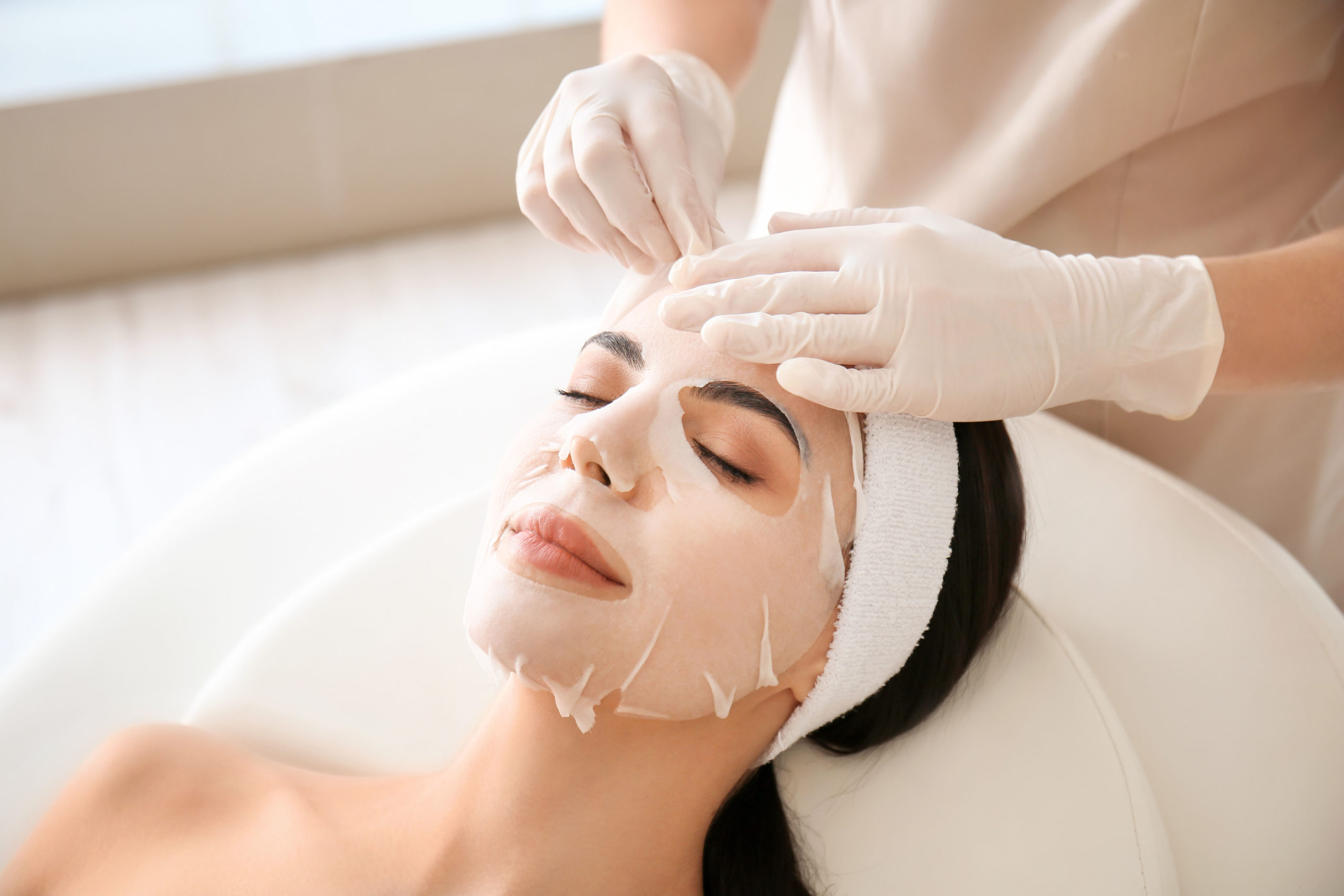
2. Skin Preparation: The treatment area is thoroughly cleansed to remove makeup, oils, and impurities. A cooling gel is then applied to the skin surface. This gel serves multiple purposes: it protects the outer skin, improves contact between the handpiece and the skin, and enhances light transmission.
3. Eye Protection: Protective eyewear or opaque goggles are placed over the eyes to shield them from the intense pulses of light throughout the procedure.
4. Light Application: The provider moves the IPL or LED handpiece across the treatment area in a systematic pattern, delivering controlled pulses of light. Most patients describe the sensation as a light "snap" or "flick" — similar to a rubber band lightly snapping against the skin. Modern devices include cooling mechanisms that significantly reduce discomfort.
5. Post-Treatment Care: The gel is removed, and the skin is cleansed. A soothing serum, moisturizer, and broad-spectrum SPF sunscreen are typically applied to calm the skin and provide immediate protection.
6. Aftercare Instructions: Your provider will give you specific instructions for post-treatment skin care, including which products to avoid, activity restrictions, and sun exposure guidelines.
Most IPL photo facial sessions last between 30 and 60 minutes, depending on the size of the treatment area and the number of concerns being addressed. LED sessions are typically shorter, ranging from 20 to 30 minutes. Neither procedure requires anesthesia, and patients can return to their normal activities the same day.
Who Is a Good Candidate for a Photo Facial Treatment?
Photo facial treatments are broadly appropriate for many adults, but understanding whether you're an ideal candidate helps set realistic expectations and ensures safety.
Ideal Candidates
• Individuals with light to medium skin tones (Fitzpatrick skin types I–III) are optimal candidates for IPL, as the light is most effectively absorbed by the targeted pigment without risk of burning darker skin.
• Those experiencing sun-induced skin changes including sunspots, freckles, and uneven skin tone.
• People with persistent facial redness, rosacea, or visible capillaries.
• Individuals seeking collagen stimulation and anti-aging benefits without surgery or injectables.
• Anyone looking to address mild-to-moderate acne or acne scarring.
• Those wanting general skin rejuvenation, improved texture, and a healthy glow.
Who Should Approach with Caution or Avoid IPL Photo Facials
• Individuals with darker skin tones (Fitzpatrick types IV–VI) should consult a specialist, as IPL may cause hyperpigmentation in higher-melanin skin. LED treatments are generally a safer alternative.
• Pregnant women are advised to postpone IPL and LED treatments until after giving birth.
• Those currently taking Accutane (isotretinoin) should wait at least six months after discontinuing the medication before undergoing IPL.
• People with active infections, open wounds, or certain chronic skin conditions should discuss their situation with a dermatologist or licensed esthetician first.
• Those taking photosensitizing medications (such as certain antibiotics or retinoids) may need to pause use before treatment.
Choosing between a licensed esthetician and a dermatologist for your photo facial treatment depends on the complexity of your skin concerns. For a helpful breakdown of how these two professionals differ in training, scope, and expertise, Esthetician vs. Dermatologist provides a clear and practical comparison.
How Many Photo Facial Treatment Sessions Will You Need?
One of the most common questions clients have is: how many sessions does it take to see real results? The answer varies depending on the individual's skin concerns, the severity of the condition being treated, and the type of photo facial being used.
For IPL photo facial treatments, most providers recommend an initial course of 3–5 sessions spaced 3–6 weeks apart. This spacing allows the skin to heal fully between sessions and for the body to process the damaged cells that the light energy has broken down. After completing the initial series, most patients opt for maintenance treatments every 6–12 months to sustain results and address the ongoing effects of sun exposure and aging.
For LED photo facial treatments, a longer initial course is typically needed — often 6–10 sessions for optimal results — because LED uses gentler energy levels that accumulate benefit over time. LED maintenance can be done monthly or bimonthly to preserve results.
Understanding the right frequency for your own skin is essential. For general guidance on facial treatment scheduling, How Often Should You Get a Facial offers a useful framework for planning your skin care calendar.
Before and After Your Photo Facial Treatment: Essential Care Tips
The results you get from a photo facial treatment are greatly influenced by how you prepare your skin beforehand and how you care for it in the days and weeks following each session.
Table 3: Pre- and Post-Photo Facial Treatment Care Checklist
Before Your Photo Facial Treatment | After Your Photo Facial Treatment |
Avoid sun exposure for 4 weeks before | Avoid direct sunlight for at least 2 weeks |
Stop retinol/AHA products 5–7 days prior | Apply SPF 30+ sunscreen daily |
No self-tanner for 2 weeks before | Keep skin hydrated with gentle moisturizer |
Disclose all medications to your provider | Avoid retinol and exfoliants for 7–10 days |
Arrive with clean, makeup-free skin | No heat (sauna, hot yoga) for 48 hours |
Stop Accutane at least 6 months prior | Expect temporary darkening of pigmented spots |
Stay hydrated and eat nutritious foods | Follow up with your provider as recommended |
The Critical Role of SPF After Photo Facial Treatments
Sun protection after a photo facial treatment is non-negotiable. Fresh, post-treatment skin is more vulnerable to UV damage, and unprotected sun exposure can reverse the results you've worked hard to achieve. Selecting the right SPF product for your specific skin type matters enormously — for personalized guidance, Choosing the Right SPF for Your Skin Type walks you through the key considerations.
What About Makeup After Your Photo Facial?
Many clients wonder whether they can apply makeup immediately after treatment. The short answer: it depends on your provider's instructions, your skin's reaction, and the type of photo facial you received. For a thorough guide on this common post-treatment question, Can You Wear Makeup After a Facial? has the details you need.
Maintaining Your Photo Facial Results Long-Term
The results of photo facial treatment are not permanent on their own — ongoing skin care, sun protection, and periodic maintenance sessions are essential. Building a consistent routine with evidence-based products (such as vitamin C serums, antioxidants, and retinoids) will extend and enhance your results between sessions. For a complete roadmap to maintaining facial treatment outcomes, How to Maintain Facial Results is an excellent resource.
Photo Facial Treatment vs. Other Popular Skin Treatments
Photo facial treatments are highly effective, but they are not the only option for skin rejuvenation. Understanding how they compare with other popular treatments helps you make the most informed decision for your specific concerns and goals.
Photo Facial vs. Chemical Peel
Chemical peels use acidic solutions to dissolve the outer layers of the skin, prompting cell turnover and revealing fresher skin beneath. They're effective for acne, pigmentation, and texture concerns. However, chemical peels do not address vascular concerns (redness, spider veins) the way IPL photo facials do. Chemical Peel Benefits and Risks provides an honest assessment of what chemical peels can and cannot do.
Photo Facial vs. Microdermabrasion and Microneedling
Microdermabrasion physically exfoliates the skin's surface using fine crystals or a diamond-tipped wand, while microneedling creates controlled micro-injuries to stimulate collagen production. Both work primarily on the skin's surface and structural layers but do not target pigment or vascular concerns the way IPL does. For a detailed comparison of these two mechanical treatments, Microdermabrasion vs. Microneedling breaks down the differences clearly.
Photo Facial vs. Microcurrent Facial
Microcurrent facials use low-level electrical currents to stimulate the facial muscles and increase ATP production within skin cells, resulting in a lifted, toned appearance. While photo facial treatments focus on pigmentation, redness, and collagen stimulation, microcurrent facials excel at contouring and firming. These two treatments are highly complementary and can be used together for comprehensive rejuvenation. Learn more at What Is a Microcurrent Facial.
Photo Facial vs. Radio Frequency Facial
Radio frequency (RF) facials use electromagnetic energy to heat the deeper layers of the skin, stimulating collagen and elastin production and providing significant skin tightening. RF is particularly well-suited for individuals concerned with sagging skin or significant loss of elasticity, whereas photo facials are more targeted toward tone, pigmentation, and vascular concerns. How Radio Frequency Facial Works explains the science behind this popular alternative.
Photo Facial vs. Thermoclear Treatment
Thermoclear uses high-frequency energy to treat specific skin irregularities such as milia, skin tags, keratoses, and sebaceous hyperplasia — concerns that photo facial treatments cannot address. If you have specific skin lesions or textural irregularities in addition to pigmentation concerns, combining Thermoclear with a photo facial may deliver comprehensive results. Thermoclear Treatment Explained is a must-read if skin irregularities are part of your skin story.
Table 4: Cost Comparison — Photo Facial Treatment vs. Other Popular Skin Treatments
Treatment Type | Cost Per Session | Sessions Needed | Total Estimate |
IPL Photo Facial | $300–$600 | 3–5 | $900–$3,000 |
LED Photo Facial | $50–$200 | 6–10 | $300–$2,000 |
Chemical Peel | $150–$300 | 3–6 | $450–$1,800 |
Microdermabrasion | $100–$200 | 4–6 | $400–$1,200 |
Laser Skin Resurfacing | $500–$1,500 | 1–3 | $2,000–$4,000 |
Microneedling | $200–$700 | 3–6 | $600–$4,200 |
Boosting Photo Facial Treatment Results with the Right Skincare Products
A photo facial treatment works on a deeper level, but the products you apply to your skin daily have a significant impact on how your results develop and how long they last. Certain active ingredients pair beautifully with photo facial treatments to amplify outcomes.
Vitamin C Serum
Vitamin C is one of the most powerful antioxidants in skincare and a natural ally to photo facial treatments. It inhibits melanin production, brightens existing pigmentation, and provides robust protection against oxidative stress and UV-induced damage. Incorporating a high-quality vitamin C serum into your daily routine before and between photo facial sessions can accelerate pigmentation fading and enhance the skin-brightening results. Vitamin C Serum Benefits details why this ingredient deserves a permanent spot in your skincare routine.
Mandelic Acid and Glycolic Acid
Chemical exfoliants such as mandelic acid and glycolic acid keep dead skin cells from accumulating between photo facial sessions, allowing the light energy to penetrate the skin more effectively during treatment. However, these acids should be paused in the 5–7 days immediately before and after each session to avoid irritation. Mandelic Acid vs. Glycolic Acid explores how these two popular exfoliants compare and when each one is best suited.
Saffron for Skin
Saffron has long been revered in traditional medicine for its skin-brightening and anti-inflammatory properties. Its active compound, crocin, inhibits the enzyme tyrosinase — the same enzyme involved in melanin synthesis — making saffron an excellent topical companion to photo facial treatments targeting hyperpigmentation. Saffron Benefits for Skin covers the science and practical application of this ancient botanical in modern skincare.
Meristem Extract
Derived from plant stem cells, meristem extract is a newer but exciting ingredient in regenerative skincare. It supports the skin's own renewal processes and may enhance the collagen-boosting effects of photo facial treatments by providing cellular-level support. What Is Meristem Extract? offers a fascinating look at how this ingredient works at the cellular level.
Building a Skincare Routine Around Photo Facial Treatments
Getting the most from a photo facial treatment means integrating it into a thoughtful, consistent skincare routine. Isolated treatments without supportive daily habits will always deliver inferior results. Whether you live in a sun-drenched environment or a cooler climate, your routine should address the environmental stressors your skin faces daily. Skin Care Routine for the Los Angeles Climate is an excellent example of how to adapt your regimen to environmental demands — principles that apply universally, regardless of where you live.
Understanding Your Skin Type First
Before designing a routine, understanding your skin type is foundational. Different skin types respond differently to photo facial treatments and require different supporting products. Best Facial for Your Skin Type provides a comprehensive guide to identifying your skin type and matching it to the most appropriate treatment protocols.
Oil-Based vs. Water-Based Products After Photo Facials
After a photo facial treatment, your skin's barrier may be temporarily sensitized. Choosing the right moisturizer and serum format — oil-based or water-based — can make a significant difference in recovery and comfort. Oil-Based vs. Water-Based Products clarifies which formulas work best for different skin types and concerns, particularly in the post-treatment window.
How to Choose the Right Photo Facial Treatment Provider
The quality of your photo facial treatment is only as good as the provider administering it. Light-based skin treatments require technical skill, proper equipment calibration, and a thorough understanding of skin physiology.
Here are the key factors to consider when selecting a provider:
• Credentials and Training: Look for licensed estheticians, medical aestheticians, or dermatologists who have specific training in IPL and phototherapy devices. Ask about their experience with your particular skin concern.
• Equipment Quality: Ask what device the provider uses. Industry-leading IPL systems include Lumecca by InMode, the Cynosure Icon, and the Palomar StarLux. High-quality devices deliver more consistent, safer, and more effective results.
• Pre-Treatment Consultation: Any reputable provider should conduct a thorough skin assessment before your first session, including a discussion of your Fitzpatrick skin type, medical history, and treatment goals.
• Personalized Treatment Plans: Avoid providers who offer a one-size-fits-all approach. Effective photo facial treatment should be customized to your specific concerns, skin type, and desired outcome.
• Reviews and Before/After Portfolio: Look for verified client reviews and a portfolio of real before-and-after results. These provide realistic expectations and evidence of the provider's skill.
If you're in the Los Angeles area and navigating the wide range of facial treatment options available, How to Choose a Facial Treatment in Los Angeles is a valuable resource for understanding what to look for in a local provider and how to evaluate your options effectively.
Potential Side Effects and Risks of Photo Facial Treatments
Photo facial treatments are among the safest cosmetic skin procedures available, but they are not entirely risk-free. Understanding potential side effects allows you to enter treatment with appropriate expectations and to recognize the difference between normal reactions and those that warrant follow-up.
Common and Expected Side Effects
• Temporary redness and warmth in the treated area, lasting a few hours to a couple of days
• Mild swelling, particularly around the eyes or on more sensitive facial areas
• Darkening of pigmented spots immediately after treatment — this is normal and desirable; it signals that the melanin has absorbed the light energy and will flake away within 7–10 days
• Slight sensitivity or tingling in the days following treatment
Less Common Side Effects
• Tiny blisters or crusting in areas where high-intensity light was delivered
• Temporary bruising, particularly over vascular lesions
• Slight changes in skin texture that resolve within 1–2 weeks
Rare but Serious Risks
• Burns or scarring if the device is used incorrectly or at incorrect settings — underscoring the importance of choosing a qualified provider
• Hypopigmentation (skin lightening) or hyperpigmentation, more common in darker skin tones treated with IPL at incorrect settings
The vast majority of side effects are mild and resolve within a week. To minimize all risks, follow your provider's pre- and post-treatment instructions carefully, avoid sun exposure, and always communicate openly about any medications, supplements, or skin conditions.
Special Considerations: Photo Facial for Back Acne and Body Areas
While photo facial treatments are most commonly associated with facial rejuvenation, they can also be applied to other areas of the body — including the chest, neck, shoulders, hands, and back. LED blue-light therapy is particularly effective for treating back acne (also known as "bacne"), which can be difficult to address with topical treatments alone. For comprehensive information on back acne causes and solutions, Back Acne Causes and Solutions explores the full range of treatment options.
IPL can also address sun damage on the hands, décolletage, and arms — areas that receive significant cumulative UV exposure but are often overlooked in facial-focused skin care regimens.
Frequently Asked Questions About Photo Facial Treatments
Is a photo facial treatment painful?
Most patients describe the sensation of an IPL photo facial as a light snapping or flicking sensation — not unlike a rubber band lightly striking the skin. Modern devices include integrated cooling systems that significantly reduce discomfort. LED photo facial treatments are completely painless and involve no sensation whatsoever. Numbing cream is available for particularly sensitive individuals or sensitive treatment areas.
How long do photo facial treatment results last?
Results from an IPL photo facial treatment typically last 1–2 years with proper maintenance and sun protection. Annual maintenance sessions, combined with a consistent daily SPF regimen, can extend results significantly and even prevent new signs of aging from appearing. LED treatments require more frequent maintenance (monthly to bimonthly) to sustain their cumulative benefits.
Can photo facials be combined with other treatments?
Yes — photo facial treatments are highly synergistic with many other skin therapies. They pair well with microdermabrasion (applied in the days or weeks before or after), chemical peels, microneedling, and microcurrent facials. Your provider will advise on optimal sequencing and spacing to maximize results while minimizing irritation.
What is the difference between a photofacial and a regular facial?
A traditional facial is a surface-level treatment that cleanses, exfoliates, and hydrates the skin. A photo facial treatment, by contrast, works at the cellular and structural levels of the skin using light energy — stimulating collagen, destroying pigmented cells, and collapsing vascular lesions. The results from photo facials are therefore deeper, longer-lasting, and more clinically significant than those achievable through a conventional facial.
Do photo facial treatments work on all skin types?
IPL photo facials work best on lighter skin tones (Fitzpatrick I–III). For individuals with medium to darker skin tones (Fitzpatrick IV–VI), LED photo facial treatments offer a safe and effective alternative, as they do not carry the same risk of pigmentation changes. A thorough skin assessment with a qualified provider is essential before any light-based treatment.
Conclusion: Is a Photo Facial Treatment Right for You?
So, what is a photo facial treatment? It is a scientifically validated, non-invasive skin rejuvenation procedure that uses controlled light energy to address some of the most common and persistent skin concerns — from sun damage and rosacea to acne, uneven tone, fine lines, and enlarged pores. It is one of the few treatments that can deliver meaningful, measurable improvements without surgery, significant downtime, or harsh chemicals.
Whether you choose an IPL photo facial for targeted, high-impact correction or an LED photo facial for gentle, cumulative renewal, the key lies in choosing the right type for your specific skin concerns, working with a qualified provider, and supporting your treatments with a consistent, evidence-based skincare routine.
Photo facial treatments are not a one-and-done miracle — they are a powerful component of a holistic, long-term approach to skin health. Paired with the right products, sun protection habits, and professional guidance, they can genuinely transform your skin and your confidence in it.
If you're ready to take the next step toward clearer, brighter, more youthful-looking skin, consult with a licensed skincare professional and explore the full range of facial treatment options available to you at Aelitas Beauty — where science-backed treatments meet personalized care.
External References & Further Reading
• How to Choose a Facial Treatment in Los Angeles
• Skin Care Routine for the Los Angeles Climate
• Best Facial for Your Skin Type
• Esthetician vs. Dermatologist
• How Often Should You Get a Facial
• What Is a Microcurrent Facial
• Chemical Peel Benefits and Risks
• Microdermabrasion vs. Microneedling
• How Radio Frequency Facial Works
• Thermoclear Treatment Explained
• Mandelic Acid vs. Glycolic Acid
• Reducing Hyperpigmentation Naturally
• Back Acne Causes and Solutions
• What to Expect at Your First Facial
• Can You Wear Makeup After a Facial?
• How to Maintain Facial Results