Back Acne Causes and Solutions
Introduction: The Breakout You Can't See — But Can't Ignore
Back acne is one of the most common — and most frustrating — skin conditions on the planet. It hides beneath your clothing, sabotages your confidence at the beach, and resists the skincare routines that work for your face. You scrub, you spot-treat, you switch products — and still those stubborn bumps return.
The problem is not your effort. It is your understanding. Back acne causes and solutions are more specific, more science-backed, and more actionable than most people realize. The skin on your back is not simply facial skin shifted south — it is thicker, oilier, harder to reach, and governed by a unique set of biological and environmental triggers that demand a targeted approach.
In this comprehensive guide, you will learn exactly what triggers back acne at a cellular level, which lifestyle and environmental factors make your condition worse, and — most importantly — which proven solutions will give you the clear, smooth back you want. If you are also dealing with concerns on your face, our guide on how to choose the right facial treatment in Los Angeles is an excellent companion resource to this article.
What Is Back Acne? Understanding "Bacne" Before You Treat It
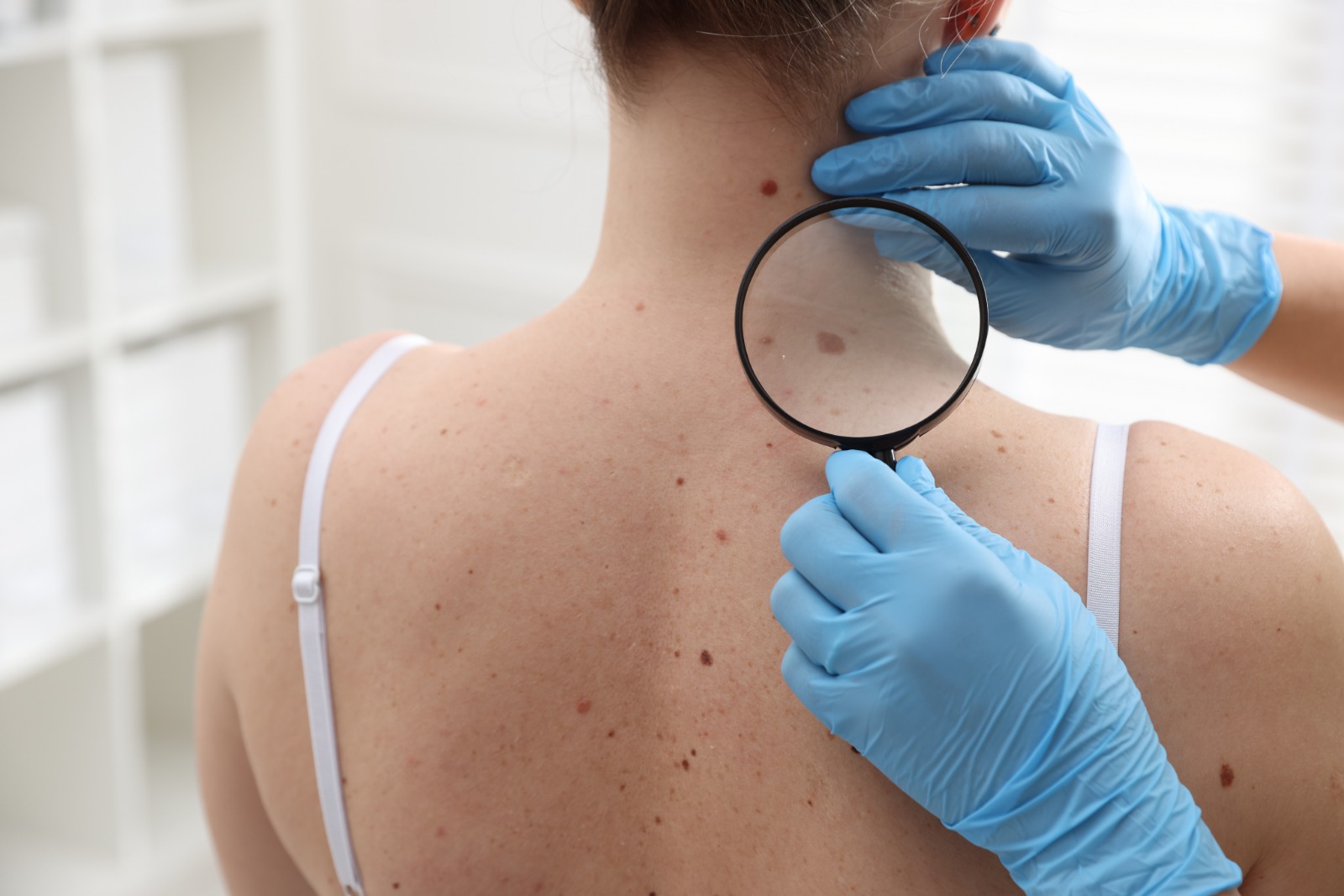
Back acne — colloquially known as "bacne" — is acne vulgaris occurring on the back. It can range from mild, surface-level whiteheads and blackheads to deep, painful cysts and nodules that extend into the lower layers of the skin. Like all forms of acne, it begins in the pilosebaceous unit — the hair follicle and its attached sebaceous (oil) gland.
The back contains one of the highest densities of sebaceous glands in the entire body. When these glands overproduce oil, that oil combines with dead skin cells to block the follicle. Bacteria — most notably Cutibacterium acnes — colonize the blocked follicle and trigger an immune response. The result is the full spectrum of acne lesions: comedones, papules, pustules, nodules, and cysts.
Types of Back Acne Lesions
Table 1: Types of Acne Lesions Found on the Back
Lesion Type | Description | Severity |
Whitehead (closed comedone) | Blocked follicle sealed beneath the skin; appears as small white bump | Mild |
Blackhead (open comedone) | Blocked follicle open at surface; oxidized oil creates dark appearance | Mild |
Papule | Small, raised, red inflamed bump without visible pus | Mild–Moderate |
Pustule | Red, inflamed bump with visible white or yellow pus center | Moderate |
Nodule | Large, hard, deeply embedded lesion; no surface head; very painful | Severe |
Cyst | Largest, deepest lesion; filled with pus; high risk of scarring | Severe |
Understanding what type of back acne you are dealing with is the first step toward choosing the right treatment. If you have never had a professional skin assessment before, read our guide on what to expect at your first facial — a professional evaluation is one of the smartest investments you can make in your skin.
Back Acne Causes: What Is Really Triggering Your Breakouts?
Understanding back acne causes and solutions begins with an honest look at what is driving your particular breakouts. Back acne is multifactorial — meaning it rarely has a single cause. Instead, it emerges from the collision of biological predispositions, lifestyle habits, and environmental exposures. Here is a detailed breakdown of every major trigger:
1. Excess Sebum Production
The sebaceous glands in your back are larger and more active than those almost anywhere else on your body. When stimulated — by hormones, heat, or genetics — they produce excess sebum (skin oil). This oil pools in follicles under clothing, creating the ideal environment for comedone formation and bacterial proliferation.
Key insight: Oily skin is not caused by over-washing — stripping the skin of oil with harsh soaps can trigger a rebound effect, causing glands to produce even more sebum. A gentle, pH-balanced cleanser is always the smarter choice.
2. Hormonal Fluctuations — A Primary Back Acne Cause
Hormones are among the most powerful drivers of back acne. Androgens — including testosterone and DHEA — directly stimulate the sebaceous glands to enlarge and produce more oil. This is why back acne is most prevalent during puberty and remains common in adults experiencing hormonal shifts. If hormones are your primary trigger, our in-depth article on how to treat hormonal acne covers strategies that work — and that apply directly to back breakouts as well.
In women, hormonal back acne causes include the menstrual cycle, pregnancy, the postpartum period, polycystic ovary syndrome (PCOS), and perimenopause. In men, high testosterone levels — including from anabolic steroid use — are a major driver of severe back acne.
3. Sweat, Heat, and Friction
The back is uniquely vulnerable to acne mechanica — breakouts caused by physical irritation rather than purely internal biology. Heat and sweat create a warm, moist environment that encourages bacterial growth and causes the skin to swell, trapping debris inside follicles. Friction from tight clothing, backpack straps, and sports equipment physically disrupts the follicle wall, triggering inflammation.
Athletes, gym-goers, and people in hot climates are particularly susceptible. The solution here is as much about habit as it is about skincare.
4. Pore-Clogging (Comedogenic) Products
Many people inadvertently worsen their back acne with the very products they use daily. Shampoos, conditioners, body lotions, and sunscreens frequently contain comedogenic (pore-blocking) ingredients that coat the back during rinsing. Common offenders include coconut oil, cocoa butter, isopropyl myristate, sodium lauryl sulfate, and heavy silicones. This is especially relevant in warm climates — our guide on building a skincare routine for the Los Angeles climate has specific product-choice advice for those in warmer, more humid environments.
5. Diet and Blood Sugar Dysregulation
High-glycemic foods cause rapid blood sugar spikes that trigger surges in insulin and insulin-like growth factor 1 (IGF-1). Both directly stimulate sebaceous gland activity and promote excess keratin production in the follicle. Dairy products — particularly skim milk — have also been implicated in acne through their influence on IGF-1 levels. According to research published on PubMed, the association between high-glycemic load diets and acne severity is now well-supported by clinical evidence.
6. Stress and the Cortisol-Acne Feedback Loop
Chronic psychological stress is a clinically recognized acne trigger. When you are stressed, cortisol stimulates androgen production and directly increases sebum output. Stress also compromises gut health and increases systemic inflammation, worsening skin conditions across the board. This explains why back acne so often flares during high-stress periods.
7. Poor Hygiene and Inadequate Cleansing Habits
While back acne is not caused by being dirty — a common misconception — inadequate cleansing can certainly perpetuate it. Dead skin cells, excess oil, sweat residue, and product buildup accumulate on the back throughout the day. Without regular and effective cleansing, this debris feeds bacterial colonization and accelerates follicle blockage.
8. Genetics and Family History
If your parents or siblings struggle with acne, your risk is significantly elevated. Genetic factors influence the size and activity of your sebaceous glands, the rate of skin cell turnover, the sensitivity of your androgen receptors, and the nature of your skin's inflammatory response. While genetics cannot be changed, understanding your predisposition helps calibrate the aggressiveness of your prevention strategy.
9. Medications and Supplements
Corticosteroids, anabolic steroids, lithium, certain antidepressants, progestin-only contraceptives, and high-dose B vitamins (particularly B12 and B6) have all been associated with acne flares. Protein powders and creatine supplements may also contribute through their influence on IGF-1 and androgen pathways. This form — drug-induced acne or acneiform eruption — requires addressing the underlying medication rather than simply treating the skin surface.
Table 2: Back Acne Causes at a Glance — Triggers, Mechanisms, and Risk Levels
Cause | Mechanism | Risk Level | Controllable? |
Excess sebum | Follicle blockage, bacterial growth | High | Partially |
Hormonal imbalance | Androgen stimulation of oil glands | High | Partially |
Sweat & friction | Acne mechanica, bacterial environment | High | Yes |
Comedogenic products | Physical follicle blockage | Moderate–High | Yes |
High-glycemic diet | IGF-1 and insulin spike sebum output | Moderate | Yes |
Chronic stress | Cortisol raises androgen, inflammation | Moderate | Yes |
Poor cleansing | Debris and oil accumulation | Moderate | Yes |
Genetics | Sebaceous gland activity, inflammation | High | No |
Medications/supplements | Acneiform eruption, androgen stimulation | Variable | Partially |
Who Gets Back Acne? Prevalence Across Age, Gender, and Lifestyle
Back acne is not selective — it affects teenagers and adults, men and women, athletes and desk workers. According to the American Academy of Dermatology, acne is the most common skin condition in the United States, affecting up to 50 million people annually, with body acne — including the back — representing a significant portion of cases.
Back Acne by Age Group
• Teenagers (13–19): The most commonly affected group. Rising androgen levels during puberty make this almost a rite of passage. Back acne in this group tends to be primarily hormonal and inflammatory.
• Young adults (20–35): A significant and often underreported group. Adult back acne in this range is frequently linked to diet, stress, gym habits, and protein supplement use.
• Adults over 35: Less common but still prevalent, especially in women experiencing hormonal transitions. As WebMD notes, adult-onset acne in this group often reflects deeper hormonal or metabolic issues.
Back Acne in Athletes and Active Individuals
Athletes deserve special mention because their back acne causes and solutions overlap with — but diverge from — the general population. Sweat-soaked workout gear, friction from equipment, protein supplement use, and the physiological stress of intense training all compound to create a uniquely challenging environment. Athletes who shower immediately after training have significantly lower rates of body acne than those who delay. If you train regularly in LA, our skincare routine guide for the Los Angeles climate has targeted tips for active individuals managing skin in warm, high-UV conditions.
Back Acne Solutions: A Complete, Step-by-Step Treatment Framework
Now that you understand what drives back acne, let us turn to the solutions — the evidence-based strategies that actually work. The most effective approach combines proper skincare, targeted ingredients, lifestyle modifications, and — when needed — professional or medical treatment.
Step 1: Reform Your Cleansing Routine
The foundation of any back acne solution is a disciplined and effective cleansing routine.
1. Shower promptly after sweating. Every minute that sweat, oil, and bacteria sit on your skin increases the risk of follicle blockage.
2. Use a gentle, non-comedogenic, salicylic acid-based body wash on your back. Salicylic acid (BHA) penetrates the follicle, dissolves the oil-and-dead-skin plug, and has mild antibacterial properties (1–2%).
3. Apply your cleanser last in the shower — after rinsing shampoo and conditioner — to prevent comedogenic haircare residue from settling on the back.
4. Use a long-handled brush or loofah to reach the full surface of your back. Replace loofahs regularly to prevent bacterial buildup.
5. Rinse with cool or lukewarm water. Hot water strips the skin's natural lipid barrier, triggering rebound oil production.
Step 2: Choose Non-Comedogenic Products Across the Board
• Switch to shampoos and conditioners labeled oil-free or non-comedogenic. Rinse hair forward so runoff does not flow down your back.
• Replace body lotion on your back with a lightweight, water-based, non-comedogenic formula containing niacinamide, hyaluronic acid, or glycerin.
• Check sunscreen ingredients — opt for mineral (zinc oxide or titanium dioxide) sunscreens, which are far less likely to clog pores than chemical UV filters.
Step 3: Use the Right Active Ingredients
Table 3: Active Ingredients for Back Acne — How They Work and How to Use Them
Ingredient | Mechanism | Best For | Usage Tips |
Salicylic acid (BHA) | Unclogs pores, dissolves dead skin, anti-inflammatory | Blackheads, whiteheads, mild–moderate acne | Body wash or leave-on spray, 1–2% |
Benzoyl peroxide | Kills C. acnes bacteria, reduces inflammation | Inflammatory papules, pustules | Wash or cream 2.5–5%; bleaches fabric |
Glycolic acid (AHA) | Exfoliates surface dead skin, speeds cell turnover | Textured skin, post-acne marks | Spray or toner applied post-shower |
Niacinamide | Reduces sebum, anti-inflammatory, fades hyperpigmentation | All types, especially oily/sensitive | Leave-on serum or moisturizer, 2–10% |
Tea tree oil | Natural antibacterial, anti-inflammatory | Mild–moderate back acne | Diluted in carrier or pre-mixed product |
Retinoids (OTC retinol) | Accelerates cell turnover, reduces comedones | Stubborn comedones, prevention | Start low (0.025%), every other night |
Azelaic acid | Kills bacteria, reduces inflammation, fades dark spots | Post-inflammatory hyperpigmentation | Leave-on cream 10–20% |
Ingredient science also matters at the ingredient level. Our guides on vitamin C serum benefits, mandelic acid vs glycolic acid, and meristem extract go deeper on active ingredient choices that can complement your back acne routine.
Step 4: Dress and Behave Your Way to Clearer Skin
• Wear loose-fitting, breathable clothing made from natural fibers like cotton or moisture-wicking technical fabrics. Tight, synthetic fabrics trap heat and sweat, driving acne mechanica.
• Change out of workout clothes immediately after exercise. Do not sit in sweaty gym gear, even briefly.
• Sleep on clean pillowcases and bed sheets — changed at least twice per week. Your back presses against bedding for six to eight hours each night, and oil and bacteria transfer directly to your skin.
• Avoid wearing a heavy backpack over bare or lightly clothed skin for extended periods, especially in warm weather.
Step 5: Overhaul Your Diet for Clearer Skin
Table 4: Diet and Back Acne — Foods That Help vs. Foods That Harm
Foods That Worsen Back Acne | Foods That Improve Back Acne |
White bread, white rice, pastries, sugary cereals (high GI) | Leafy greens, sweet potatoes, legumes (low GI, anti-inflammatory) |
Skim milk, whey protein, ice cream (dairy-derived hormones) | Plant-based proteins: lentils, tofu, tempeh, hemp seeds |
Fast food, fried foods (inflammatory omega-6 oils) | Fatty fish (salmon, mackerel, sardines — omega-3 rich) |
Sugary drinks, fruit juices, energy drinks | Water, green tea, spearmint tea (anti-androgenic) |
Processed snacks, chips, crackers | Walnuts, flaxseeds, chia seeds (omega-3, zinc) |
Alcohol (increases inflammation, disrupts hormones) | Fermented foods: yogurt, kefir, kimchi (gut microbiome support) |
Excessive high-sugar treats | Dark chocolate (70%+), berries, citrus (antioxidants) |
Alongside diet, key ingredients in your skincare products can reinforce your internal efforts. Our breakdown of saffron benefits for skin is especially relevant here — saffron's natural anti-inflammatory and antioxidant properties make it a compelling complement to any anti-acne protocol.
Step 6: Manage Stress as a Core Back Acne Solution
• Prioritize seven to nine hours of quality sleep per night. Sleep is when cortisol resets and skin undergoes its primary repair cycle.
• Incorporate daily movement you enjoy — even a 30-minute walk significantly reduces cortisol levels and improves insulin sensitivity.
• Practice mindfulness-based stress reduction (MBSR). Research consistently links perceived stress scores to acne severity.
• Limit caffeine intake after noon, as it elevates cortisol and disrupts sleep quality.
Professional and Medical Back Acne Solutions
For moderate to severe back acne — particularly nodulo-cystic breakouts or cases that do not respond to over-the-counter treatment — professional interventions are often necessary and highly effective. Do not delay seeking help; these lesions carry a high risk of permanent scarring.
In-Office Treatments Worth Knowing
A range of professional treatments can target back acne directly. Chemical peels using glycolic or salicylic acid accelerate cell turnover and reduce comedones. LED light therapy — particularly blue light — targets and destroys Cutibacterium acnes deep in the follicle without any harsh chemicals. For skin texture issues that follow acne, microdermabrasion vs microneedling is a comparison every post-acne patient should read before booking their next appointment.
For stubborn inflammatory lesions, radio frequency facial treatments promote deep collagen remodeling and reduce the inflammation that drives cystic breakouts. Thermoclear treatments are another option worth exploring for small surface lesions and milia. And do not underestimate the power of microcurrent facials to support overall skin health and regeneration as part of a comprehensive approach.
Prescription Treatments
• Prescription-strength retinoids (tretinoin, adapalene 0.3%) — far more potent than OTC retinol; normalize follicle cell turnover; gold standard for comedonal acne
• Topical antibiotics (clindamycin, erythromycin) — reduce bacterial load; always combined with benzoyl peroxide to minimize antibiotic resistance
• Oral antibiotics (doxycycline, minocycline) — significantly reduce C. acnes populations systemically; used short-term (3–6 months)
• Spironolactone (for women) — an androgen blocker that reduces sebum production at its source; highly effective for adult female back acne
• Isotretinoin (Accutane) — most powerful acne treatment available; reserved for severe, scarring, or treatment-resistant back acne; requires close medical monitoring
Unsure whether to book with an esthetician or see a dermatologist for your back acne? Our guide comparing estheticians vs dermatologists makes the decision clear based on your acne severity and goals.
Table 5: Back Acne Treatment Options by Severity Level
Severity | First-Line Treatments | Second-Line Treatments | When to See a Professional |
Mild | Salicylic acid wash, non-comedogenic products, diet changes | OTC benzoyl peroxide, niacinamide serum, AHA spray | If no improvement after 8–12 weeks |
Moderate | Prescription retinoid, topical antibiotic + BPO combination | Oral antibiotic, chemical peel, LED therapy | Promptly — scarring risk rising |
Severe (cystic) | Oral antibiotic, isotretinoin evaluation, cortisone injection | Isotretinoin, spironolactone (women), RF therapy | Immediately — high scarring risk |
Treating Back Acne Scars and Post-Acne Marks
For many people, clearing the active acne is only half the battle. Post-inflammatory hyperpigmentation (PIH) — the dark marks left after acne heals — can persist for months to years if left untreated. True ice-pick, boxcar, and rolling scars represent permanent structural changes to the dermis and require more intensive intervention.
Our detailed guide on reducing hyperpigmentation naturally covers the most effective approaches for fading post-acne dark marks — many of which apply directly to back scarring as well as facial marks.
Key Solutions for Post-Acne Marks on the Back
• Azelaic acid and niacinamide — inhibit melanin overproduction and reduce post-inflammatory redness; suitable for daily long-term use
• Vitamin C serum — a potent antioxidant that inhibits the tyrosinase enzyme responsible for darkening; see our full guide on vitamin C serum benefits for skin
• Glycolic or lactic acid (AHA) — accelerate skin cell turnover, fading surface-level dark marks more quickly
• SPF protection — absolutely non-negotiable when treating PIH; UV exposure dramatically worsens and prolongs dark marks
• Microneedling — stimulates collagen production in depressed scars; professional treatments yield the best results for back scarring
Common Myths About Back Acne Causes and Solutions — Debunked
Myth 1: "Back acne is caused by being dirty."
Fact: Acne is not a hygiene failure. It is a physiological process driven by sebum production, bacterial activity, and inflammation. Over-washing or scrubbing aggressively strips the skin barrier and worsens acne by triggering rebound oil production.
Myth 2: "Sunbathing clears back acne."
Fact: UV exposure suppresses the skin's immune system, worsens post-acne dark marks, and accelerates aging. Always wear SPF on your back, especially if you are using active ingredients that increase photosensitivity.
Myth 3: "Popping back pimples speeds up healing."
Fact: Popping acne lesions — particularly on the back — spreads bacteria deeper into the follicle, creates new breakouts in surrounding skin, and dramatically increases the risk of permanent scarring. This is especially dangerous with cysts and nodules.
Myth 4: "Only teenagers get back acne."
Fact: Adult back acne is extremely common. Studies indicate that approximately 50 percent of women and 25 percent of men experience acne beyond their teenage years, with the back being one of the most affected areas.
Myth 5: "Dietary changes have no effect on back acne."
Fact: This outdated claim has been thoroughly contradicted by modern research. Multiple large-scale studies demonstrate significant associations between high-glycemic diets, dairy consumption, and acne severity. Dietary intervention is now a recognized legitimate adjunct to treatment.
Is It Really Back Acne? Conditions That Mimic Bacne
Not every bump on your back is acne. Several other skin conditions produce similar-looking lesions but require entirely different treatments. Misidentifying the condition leads to ineffective treatment and potential worsening.
If you are unsure — particularly if breakouts are intensely itchy, widespread, or unresponsive to typical acne treatments — note that some of these conditions, like rosacea, require their own specialized care. Our guide to treating rosacea safely is a useful reference for anyone whose skin concerns cross diagnostic lines.
Table 6: Conditions That Mimic Back Acne and How to Tell Them Apart
Condition | Key Features | Key Difference from Acne | Treatment |
Folliculitis | Small, uniform red pustules around hair follicles; may itch | Bacterial or fungal infection, not sebum/comedones | Antibacterial or antifungal wash/cream |
Malassezia folliculitis | Monomorphic itchy pustules; often on upper back/chest | Fungal — worsened by oil-based products | Antifungal shampoo or oral antifungals |
Keratosis pilaris | Rough, goose-bump-like texture; no redness or pus | Not inflamed; keratin buildup in follicles | AHA/BHA exfoliants, urea creams |
Contact dermatitis | Red, itchy, sometimes blistering rash | Allergic or irritant reaction, not follicular | Remove trigger, topical corticosteroids |
Heat rash (miliaria) | Tiny red bumps after sweating; no pus | Blocked sweat ducts, not oil follicles | Cool, dry environment; calamine lotion |
The Complete Daily and Weekly Back Acne Skincare Routine
Consistency is the most underrated ingredient in any back acne solution. The following routine consolidates all evidence-based strategies into a practical, sustainable framework.
Daily Morning Routine
6. Shower with a salicylic acid or benzoyl peroxide body wash on the back
7. Rinse haircare products thoroughly before rinsing the back
8. Pat back dry with a clean towel
9. Apply a lightweight non-comedogenic moisturizer or niacinamide serum if skin is dry or irritated
10. Apply mineral SPF 30+ if back will be exposed to sunlight
Daily Evening Routine
11. Shower if you exercised or sweated — do not skip this step
12. Cleanse back with your active wash; leave on for 60 seconds before rinsing
13. Apply any leave-on treatment (retinoid, AHA spray, azelaic acid) to dry back skin
14. Sleep on a freshly washed pillowcase or clean sheet
Weekly Additions
• Change bed sheets and pillowcases twice per week
• Replace any loofah or back brush every two to three weeks
• Consider a weekly at-home chemical exfoliation mask (glycolic or salicylic acid) applied to the back for 10–15 minutes
Want to lock in your progress long-term? Our article on how to maintain your facial results shares professional-grade habits that apply equally to maintaining clear skin on your body. And if you are curious about how often you should get a professional facial as part of your broader skin health strategy, that guide has frequency recommendations based on skin type and concern.
Choosing the Right Professional Treatment for Your Skin Type
No two people's back acne is identical — and no single professional treatment works for every skin type. If you are considering booking an appointment, reading our guide to the best facial for your skin type is an essential first step. It will help you match your specific concern — oily and acne-prone, sensitive and reactive, or combination — to the treatment most likely to deliver results. You can also browse our guide to choosing a facial treatment in Los Angeles to understand what is available at a clinical level and what questions to ask your esthetician.
After any professional treatment, your aftercare practices matter enormously. Our guide on whether you can wear makeup after a facial answers one of the most common post-treatment questions and helps you protect your skin in the critical 24-to-48-hour window after any professional procedure.
Frequently Asked Questions About Back Acne Causes and Solutions
How long does it take for back acne solutions to work?
OTC topical treatments typically produce noticeable improvement within six to twelve weeks of consistent use. Prescription topical treatments may show results in four to eight weeks. Oral antibiotics and spironolactone generally require eight to twelve weeks for significant improvement. Isotretinoin typically produces dramatic clearing within four to six months. Patience and consistency are essential — there is no overnight solution.
Can back acne come back after it clears?
Yes, for most people back acne is a recurring condition rather than a one-time occurrence. The underlying predisposing factors — sebaceous gland activity, hormonal sensitivity, genetic tendency — do not disappear after treatment. Maintaining your skincare routine, dietary habits, and stress management practices is essential for preventing relapse. Isotretinoin is the one treatment that sometimes produces long-term or permanent remission.
Is back acne a sign of a hormonal disorder?
Not always, but it can be. Back acne that is severe, persistent, treatment-resistant, or accompanied by irregular periods, excess facial or body hair, rapid weight changes, or mood disturbances warrants hormonal evaluation. Our full article on how to treat hormonal acne covers the diagnostic clues and treatment options in detail.
Should I stop going to the gym if I have back acne?
Absolutely not. Exercise is beneficial for skin health through its effects on cortisol, insulin sensitivity, and circulation. The key is to shower immediately after exercise, change out of workout clothes promptly, and wear breathable fabrics during training. With these precautions, exercise will support rather than worsen your back acne.
Conclusion: Clear Your Back by Understanding What Is Driving It
Back acne causes and solutions are not a mystery — they are a science. Your back breaks out for specific, identifiable reasons: excess oil production, hormonal signals, the wrong products, lifestyle habits, dietary patterns, and genetic tendencies. And for every cause, there is a targeted, evidence-based solution that addresses it at its root.
The mistake most people make is treating back acne as a symptom to be silenced rather than a condition to be understood. They reach for the harshest cleanser, scrub aggressively, try every trending product — and wonder why nothing sticks. The approach outlined in this guide is different: methodical, comprehensive, and built on how your skin actually works.
Start with the foundations — cleanse strategically, eliminate comedogenic products, shower after sweating, and nourish your skin with proven actives. Layer in dietary and lifestyle changes to address internal drivers. And when OTC solutions are not enough, work with a professional to access the treatments that can transform even the most persistent back acne. Your back deserves the same intentional care you give your face. Explore our full library of skincare guides at Aelitas Beauty — and take the next step toward the clear, healthy skin you deserve.
Key References and Further Reading
• Zaenglein, A.L., et al. (2016). Guidelines of care for the management of acne vulgaris. Journal of the American Academy of Dermatology.
• Melnik, B.C. (2012). Diet in acne: further evidence for the role of nutrient signalling in acne pathogenesis. Acta Dermato-Venereologica.
• Simonart, T. (2012). Acne and whey protein supplementation among bodybuilders. Dermatology.
• Thiboutot, D., et al. (2009). New insights into the management of acne. Journal of the American Academy of Dermatology.
• Tan, J.K., & Bhate, K. (2015). A global perspective on the epidemiology of acne. British Journal of Dermatology.