LED Light Therapy Benefits: The Science-Backed Solution for Radiant Skin and Enhanced Wellness
Introduction
Your skin tells a story of late nights, environmental stress, and the relentless march of time. Despite investing in expensive creams and treatments, you're still battling stubborn acne, deepening wrinkles, or persistent inflammation that refuses to fade. LED light therapy benefits represent a revolutionary approach to skin rejuvenation and healing, harnessing the power of specific light wavelengths to transform your complexion from within. This comprehensive guide reveals how this FDA-cleared, non-invasive technology can deliver remarkable results for your skin, accelerate healing, reduce pain, and enhance your overall wellbeing—all backed by rigorous scientific research.
Understanding LED Light Therapy: The Foundation of Photobiomodulation
LED light therapy, scientifically known as photobiomodulation, emerged from an unexpected source—NASA's space program. In the 1990s, researchers discovered that specific wavelengths of light could accelerate plant growth in space and promote wound healing in astronauts. This breakthrough launched decades of research into how light energy affects human cells, ultimately transforming LED therapy into one of the most studied and validated non-invasive treatments in modern dermatology and medicine.
Unlike ultraviolet light that damages DNA and accelerates aging, LED therapy uses beneficial wavelengths in the visible and near-infrared spectrum. These wavelengths penetrate the skin without generating heat or causing tissue damage, making the treatment safe for all skin types and tones. The technology works by delivering concentrated light energy directly to cellular structures, particularly the mitochondria, triggering a cascade of beneficial biological responses that enhance cellular performance, accelerate repair processes, and reduce inflammation throughout the body.
The Cellular Mechanisms Behind LED Light Therapy Benefits
The profound effects of LED light therapy stem from fundamental changes at the cellular level. When specific wavelengths of light penetrate tissue, they're absorbed by chromophores within cells—light-sensitive molecules that convert light energy into biological signals. The primary target is cytochrome c oxidase, an enzyme in the mitochondrial respiratory chain that plays a crucial role in cellular energy production.
This absorption triggers immediate increases in adenosine triphosphate synthesis, the molecule that powers virtually every cellular function. With more ATP available, cells can perform repair, regeneration, and metabolic activities with greater efficiency. A single LED therapy session can increase cellular ATP production by up to 150 percent, providing cells with the energy needed to heal damage, produce structural proteins like collagen, and resist oxidative stress.
Beyond energy production, LED therapy stimulates the release of nitric oxide from cells and tissues. This simple molecule acts as a powerful vasodilator, expanding blood vessels to improve circulation. Enhanced blood flow means better oxygen delivery, increased nutrient availability, and more efficient removal of metabolic waste products. For skin tissue, this translates to a healthier, more radiant complexion with improved tone and texture.
The therapy also generates beneficial levels of reactive oxygen species at the cellular level. While excessive ROS causes oxidative damage, controlled amounts act as crucial signaling molecules that activate cellular defense mechanisms, upregulate antioxidant production, and trigger repair pathways. This hormetic effect—where mild stress produces beneficial adaptations—helps cells become more resilient and better equipped to handle environmental challenges.
Red Light Therapy Benefits for Skin Rejuvenation and Anti-Aging
Red light wavelengths between 630 and 700 nanometers have become the gold standard for skin rejuvenation and anti-aging treatments. These wavelengths penetrate approximately 8 to 10 millimeters into the skin, reaching the dermis where fibroblast cells produce the structural proteins that keep skin firm, smooth, and youthful.
The anti-aging LED light therapy benefits begin with dramatic increases in collagen production. Multiple clinical studies have demonstrated that regular red light exposure can increase collagen density by 31 percent over twelve weeks of treatment. This new collagen fills in fine lines and wrinkles from beneath the surface, creating smoother, more youthful-looking skin without injections or invasive procedures. The effect continues to improve with ongoing treatment as new collagen fibers organize into dense, supportive networks.
Elastin production also responds powerfully to red light therapy. Elastin gives skin its ability to stretch and bounce back, but natural elastin deteriorates with age and sun exposure. By stimulating fibroblasts to produce fresh elastin, red light therapy restores skin's resilience and helps combat sagging. Research published in the Journal of Cosmetic and Laser Therapy found that participants experienced a 19 percent improvement in skin elasticity after consistent red light treatments.
The regenerative effects extend to overall skin texture and tone. Red light therapy increases cellular turnover, helping shed damaged surface cells while promoting the growth of healthy new cells. This renewal process diminishes the appearance of age spots, sun damage, and uneven pigmentation. Many users report that their skin takes on a natural luminosity and even tone that no topical product can replicate.
When considering professional treatments, understanding how different modalities complement each other becomes important. While LED therapy excels at stimulating natural collagen production, some individuals benefit from combining it with other approaches. Learning how to choose a facial treatment that aligns with your specific skin concerns helps maximize results and avoid unnecessary procedures.
LED Light Therapy Benefits for Acne Treatment and Prevention
Acne affects millions of adults and teenagers, often resisting traditional treatments while causing physical discomfort and emotional distress. Blue LED light therapy benefits offer a compelling alternative that addresses acne's root causes without harsh medications, drying agents, or antibiotics that can disrupt the skin's natural balance.
Blue light at wavelengths around 415 nanometers possesses unique antibacterial properties. When this specific wavelength penetrates into pores, it's absorbed by porphyrins—compounds produced by Propionibacterium acnes bacteria. This absorption triggers a photochemical reaction that generates reactive oxygen species within the bacterial cells, effectively destroying them without harming surrounding human tissue. Clinical trials have shown that blue light therapy can reduce active acne lesions by up to 60 percent after eight weeks of consistent treatment.
The therapy's benefits extend beyond killing bacteria. Red light added to acne treatment protocols reduces the inflammatory response that creates painful, swollen pimples and increases the risk of scarring. This combination approach—blue light to eliminate bacteria and red light to calm inflammation—produces superior results compared to either wavelength alone. Patients often notice reduced redness and faster healing of existing blemishes within the first few weeks of treatment.
LED therapy also helps regulate sebaceous gland activity. Overactive oil glands contribute to clogged pores and create the environment where acne bacteria thrive. Regular light therapy sessions help normalize sebum production, reducing the oily shine that troubles many acne sufferers while maintaining enough moisture to keep skin healthy. This balance is particularly valuable for individuals whose skin becomes dried out and irritated by traditional acne medications.
The treatment's safety profile makes it especially appealing for long-term acne management. Unlike antibiotics that can lead to resistant bacterial strains or isotretinoin with its serious side effects, LED therapy can be used indefinitely without diminishing returns or health risks. Many dermatologists now recommend LED therapy as a first-line treatment for mild to moderate acne, reserving stronger interventions for severe cases that don't respond to light-based approaches.
For those exploring various skin treatments, understanding the distinctions between different professional services proves valuable. The differences between an esthetician and dermatologist include their training, scope of practice, and the types of conditions they treat, which helps you choose the right professional for LED therapy and other skincare needs.
Addressing Hyperpigmentation and Uneven Skin Tone with LED Therapy
Dark spots, melasma, post-inflammatory hyperpigmentation, and general unevenness in skin tone represent some of the most challenging cosmetic concerns to address. LED light therapy benefits include significant improvements in pigmentation disorders through multiple mechanisms that target excess melanin production and promote even skin renewal.
Green light wavelengths between 520 and 560 nanometers show particular promise for hyperpigmentation treatment. These wavelengths affect melanocytes—the cells that produce skin pigment—helping to regulate their activity and reduce excess melanin production in areas of discoloration. While the exact mechanisms continue to be studied, research suggests that green light influences the melanogenesis pathway at several points, ultimately leading to a more balanced distribution of pigment across the skin.
Red and near-infrared light contribute to pigmentation improvement through enhanced cellular turnover and skin renewal. By accelerating the natural exfoliation process, these wavelengths help shed pigmented surface cells while promoting the growth of fresh, evenly-toned skin underneath. This effect becomes more pronounced with consistent treatment as the cumulative renewal gradually fades stubborn dark spots that have persisted for months or years.
The anti-inflammatory properties of LED therapy also play a crucial role in preventing new hyperpigmentation. Inflammation often triggers reactive melanin production, which is why acne, injuries, and even aggressive skincare treatments can leave behind dark marks. By reducing inflammation at the cellular level, LED therapy helps prevent this post-inflammatory hyperpigmentation from developing in the first place.
Combining LED therapy with appropriate skincare products enhances results significantly. The increased cellular activity and improved circulation induced by light therapy boost the skin's ability to absorb and utilize topical treatments. Ingredients like vitamin C, niacinamide, and kojic acid work more effectively when paired with regular LED sessions, as the light therapy creates optimal conditions for these brightening agents to penetrate and perform their functions.
Environmental factors significantly influence skin pigmentation, making location-specific skincare crucial. Those living in sun-intense areas need specialized approaches to prevent and treat discoloration. A proper skin care routine adapted for challenging climates helps maintain the brightening benefits achieved through LED therapy while protecting against new sun damage.
Managing Rosacea and Sensitive Skin Conditions
Rosacea affects over 16 million Americans, causing persistent redness, visible blood vessels, inflammatory papules, and extreme skin sensitivity. Traditional treatments often provide incomplete relief or come with side effects that sensitive skin cannot tolerate. LED light therapy benefits for rosacea include significant symptom reduction through gentle, non-irritating mechanisms that calm reactivity and reduce visible redness.
Yellow and amber light wavelengths between 570 and 620 nanometers demonstrate particular effectiveness for rosacea management. These wavelengths target the dilated capillaries that create the characteristic redness of rosacea, helping to reduce their visibility and decrease overall facial flushing. Many patients notice that their baseline redness diminishes after several weeks of consistent yellow light therapy, with fewer intense flare-ups triggered by normal activities.
The anti-inflammatory action of LED therapy addresses the underlying immune dysfunction that drives rosacea symptoms. The condition involves an overactive immune response in facial skin, leading to chronic inflammation that damages tissue and creates the burning, stinging sensations many sufferers experience. Red and yellow light wavelengths modulate this immune activity, reducing inflammatory markers and calming the reactive responses that characterize the condition.
LED therapy's non-thermal nature makes it ideal for rosacea-prone skin. Many treatments that might benefit the condition—including certain lasers and intense pulsed light—generate heat that can trigger severe flare-ups in sensitive individuals. LED therapy delivers therapeutic light energy without any heat generation, making it safe even for those with extremely reactive skin who flush easily in response to temperature changes.
The treatment also strengthens the skin barrier, which tends to be compromised in rosacea patients. A healthy skin barrier protects against irritants, allergens, and environmental triggers while retaining essential moisture. LED therapy stimulates ceramide production and enhances the structural proteins that maintain barrier integrity, helping skin become more resilient and less reactive over time.
Determining appropriate treatment frequency becomes important for optimal results. While LED therapy offers numerous benefits, understanding how often to incorporate professional sessions into your skincare routine ensures you're getting maximum value without over-treating or wasting resources.
LED Light Therapy Benefits for Wound Healing and Scar Reduction
The regenerative capabilities of LED therapy extend far beyond cosmetic improvements to include accelerated wound healing and significant scar reduction. These therapeutic LED light therapy benefits have applications ranging from post-surgical recovery to treatment of chronic wounds that resist conventional healing approaches.
Red and near-infrared wavelengths stimulate every phase of the wound healing cascade. During the inflammatory phase immediately following injury, LED therapy modulates the immune response to prevent excessive inflammation that can impair healing and increase scarring risk. The therapy then accelerates the proliferative phase by dramatically increasing fibroblast activity, promoting rapid cell division and migration to close the wound more quickly.
Enhanced angiogenesis—the formation of new blood vessels—represents another crucial mechanism. Healing tissue requires substantial oxygen and nutrients delivered through a rich vascular network. LED therapy triggers the growth of new capillaries into wounded areas, ensuring adequate blood supply to support the intensive cellular activity required for tissue repair. Studies have shown that LED-treated wounds develop more extensive microvascular networks compared to untreated wounds, correlating with faster healing times.
The quality of healed tissue improves dramatically with LED therapy. Scars form when collagen fibers organize haphazardly during the remodeling phase of wound healing. LED therapy influences this collagen organization, promoting more aligned, organized fiber patterns that closely resemble normal skin. The result is scars that are flatter, softer, and less noticeable than those that heal without light therapy intervention.
For existing scars, continued LED treatment can produce remarkable improvements even years after the original injury. The therapy stimulates ongoing collagen remodeling in mature scar tissue, gradually improving texture, reducing discoloration, and increasing flexibility. Hypertrophic scars and keloids, which represent excessive collagen production, may soften and flatten with regular LED sessions combined with appropriate compression or other adjunctive treatments.
Professional treatments often combine LED therapy with other modalities for comprehensive scar management. Understanding the distinctions between different resurfacing techniques helps in choosing complementary approaches. The comparison between microdermabrasion and microneedling reveals how mechanical treatments can work synergistically with LED therapy to improve scarred skin.
Pain Relief and Anti-Inflammatory LED Light Therapy Benefits
While skin improvements attract considerable attention, the pain-relieving and anti-inflammatory LED light therapy benefits have transformed quality of life for countless individuals suffering from chronic pain conditions. Near-infrared wavelengths penetrate deep into tissues, reaching muscles, joints, and even internal organs to reduce pain and promote healing.
Arthritis patients have experienced particularly dramatic results with LED therapy. The deep-penetrating near-infrared light reduces inflammation in affected joints while stimulating cartilage cells and improving synovial fluid quality. Clinical trials examining LED therapy for knee osteoarthritis found that patients experienced 50 to 70 percent reductions in pain levels after twelve weeks of treatment, with improvements in function and mobility that matched or exceeded results from some pharmaceutical interventions.
The mechanisms behind pain relief involve multiple pathways. LED therapy reduces inflammatory cytokines—signaling molecules that perpetuate inflammation and sensitize pain receptors. By decreasing these inflammatory mediators, the therapy breaks the cycle of chronic inflammation and pain sensitization that characterizes many persistent pain conditions. Additionally, the enhanced circulation induced by nitric oxide release helps flush inflammatory waste products from painful areas while delivering healing oxygen and nutrients.
Nerve function improves with regular LED therapy, which has implications for neuropathic pain conditions. The light energy supports mitochondrial function in nerve cells, potentially protecting against further nerve damage while promoting regeneration of damaged nerve fibers. Patients with peripheral neuropathy, carpal tunnel syndrome, and other nerve-related pain conditions have reported significant symptom improvements with consistent LED therapy.
Athletes incorporate LED therapy into training regimens for both injury prevention and recovery enhancement. Pre-exercise LED treatment can prime muscles for activity, reducing fatigue and enhancing endurance during workouts. Post-exercise application dramatically reduces delayed-onset muscle soreness and accelerates recovery between training sessions, allowing for more frequent, intensive training without increased injury risk.
The therapy's safety profile allows for frequent use without the concerns associated with pain medications. While NSAIDs and other pain relievers carry risks of gastrointestinal damage, cardiovascular effects, and dependency issues, LED therapy can be used daily without adverse effects or diminishing returns. This makes it particularly valuable for individuals with chronic pain who need long-term management strategies.
Stimulating Hair Growth and Improving Scalp Health
Hair loss and thinning affect both men and women, often causing significant emotional distress and undermining self-confidence. LED light therapy benefits for hair restoration have gained substantial clinical support, with FDA clearance for treating androgenetic alopecia—the most common form of hair loss.
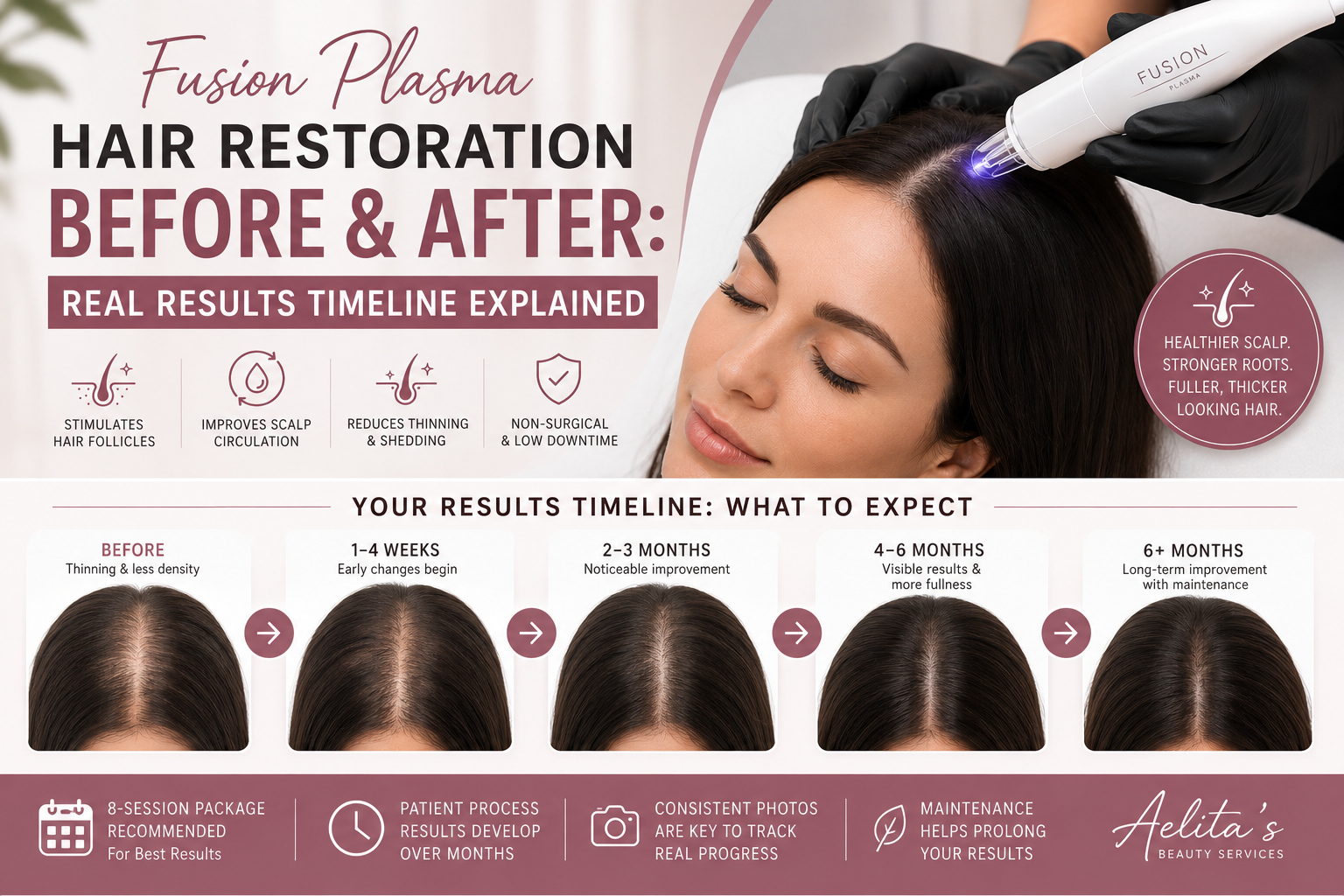
Red light wavelengths between 630 and 670 nanometers penetrate the scalp to reach hair follicles, where they trigger multiple beneficial effects. The therapy extends the anagen phase—the active growth period of the hair cycle—allowing follicles to produce longer, thicker hair strands. Simultaneously, LED therapy shortens the telogen resting phase, moving more follicles into active growth more quickly.
Improved scalp circulation represents another key mechanism for hair growth stimulation. Enhanced blood flow delivers essential nutrients, oxygen, and growth factors to follicle cells while removing waste products that can impair follicle function. Studies using laser Doppler flowmetry have documented significant increases in scalp blood flow following LED therapy sessions, with effects persisting for several hours after treatment.
The anti-inflammatory properties of LED therapy benefit individuals with scalp conditions that contribute to hair loss. Inflammatory conditions like seborrheic dermatitis, psoriasis, and folliculitis create an hostile environment for hair growth while causing discomfort and flaking. Regular LED therapy reduces scalp inflammation, creating healthier conditions for follicles to thrive while alleviating symptoms that often accompany hair loss.
Clinical evidence supporting LED therapy for hair growth continues to accumulate. A controlled trial published in Lasers in Surgery and Medicine found that participants using LED therapy devices experienced an average 39 percent increase in hair count after 24 weeks of treatment. Most subjects noticed initial improvements within 8 to 12 weeks, with progressive enhancement continuing throughout the study period.
The treatment works for both male and female pattern hair loss, though results vary based on the extent of miniaturization and the duration of hair loss. Follicles that have been inactive for many years may not respond, but those experiencing recent thinning or miniaturization often show robust regrowth. The therapy also enhances results from other hair loss treatments, including topical minoxidil and oral medications, creating synergistic effects that exceed results from any single intervention.
Mental Health and Circadian Rhythm Regulation
The psychological and neurological LED light therapy benefits extend beyond physical healing to include significant improvements in mood, energy, and sleep quality. Light exerts powerful influences on brain function through both direct effects on neural tissue and indirect effects mediated by circadian rhythm regulation.
Seasonal affective disorder, a type of depression that follows seasonal patterns, responds remarkably well to bright light therapy. This condition affects millions of people, typically emerging during fall and winter when natural light exposure decreases. Bright white light therapy using LED sources has become a first-line treatment, with clinical trials demonstrating effectiveness comparable to antidepressant medications but without the side effects or delayed onset of action.
The mechanism involves light entering the eye and stimulating the suprachiasmatic nucleus—the brain's master clock located in the hypothalamus. This stimulation suppresses melatonin production during daylight hours while promoting serotonin synthesis, effectively resetting disrupted circadian rhythms. The resulting improvements in sleep-wake cycles, hormone production, and neurotransmitter balance alleviate depressive symptoms and restore normal mood regulation.
Morning light exposure provides benefits beyond SAD treatment. Even individuals without seasonal depression often experience improved mood, enhanced alertness, and better nighttime sleep when they receive adequate bright light exposure early in the day. This is particularly valuable for people who work in environments with limited natural light or those whose schedules prevent regular outdoor exposure during daylight hours.
Emerging research suggests that near-infrared light may directly benefit brain health through transcranial photobiomodulation. While this application remains investigational, preliminary studies indicate that NIR wavelengths penetrating the skull can enhance mitochondrial function in brain cells, potentially improving cognitive performance, reducing brain fog, and offering neuroprotective effects. Applications for traumatic brain injury, cognitive decline, and neurodegenerative diseases are being actively explored.
Combining LED Therapy with Other Skincare Treatments
The versatility of LED therapy allows it to enhance results from virtually every other skincare treatment, creating synergistic effects that exceed what any single modality can achieve. Understanding these combinations helps maximize the return on your skincare investment while minimizing potential complications.
Chemical peels and LED therapy complement each other beautifully. The exfoliation provided by peels removes the barrier of dead surface cells, allowing light to penetrate more effectively while the anti-inflammatory properties of LED therapy reduce post-peel redness and irritation. Many practitioners apply LED therapy immediately after chemical peels to calm skin and accelerate healing. When considering whether peels might benefit your skin, researching chemical peel benefits and risks helps you make informed decisions about incorporating them into a comprehensive treatment plan.
Microneedling creates thousands of microscopic channels in the skin, triggering wound healing responses that boost collagen production. Following microneedling with LED therapy enhances this response by providing the cellular energy needed for intensive repair processes. The combination produces superior skin tightening and scar reduction compared to either treatment alone, while LED therapy reduces downtime by accelerating healing.
Professional facials incorporating LED therapy as a finishing step extend and enhance results. The deep cleansing, exfoliation, and product application performed during facials create optimal conditions for light penetration and cellular uptake. Finding the best facial for your specific skin type ensures the preparatory steps align with your needs before LED therapy delivers its regenerative benefits.
Radio frequency treatments generate controlled heat to tighten skin and stimulate collagen production. While RF works through thermal mechanisms and LED through photochemical pathways, the two complement rather than duplicate each other. Understanding how radio frequency facials work reveals why many advanced treatment protocols combine RF for immediate tightening with LED for sustained collagen stimulation and cellular rejuvenation.
Topical skincare products work more effectively when paired with LED therapy sessions. The increased cellular activity and enhanced absorption induced by light therapy allow serums and treatments to penetrate more deeply and perform more effectively. Growth factors, peptides, antioxidants, and other active ingredients show enhanced results when applied in conjunction with LED sessions, though timing matters—some products should be applied before LED therapy while others work best afterward.
Safety, Side Effects, and Contraindications
The exceptional safety profile of LED light therapy contributes significantly to its growing popularity. Unlike many medical and cosmetic procedures, LED therapy produces minimal side effects and carries few contraindications, making it accessible to most individuals seeking its benefits.
Extensive clinical testing and decades of use have failed to identify serious adverse effects from properly administered LED therapy. The wavelengths used don't contain UV radiation, eliminating concerns about DNA damage, skin cancer risk, or accelerated photoaging. The treatments generate no heat in therapeutic doses, preventing burns or thermal injury. No recovery period is required, and most people can immediately resume normal activities without any visible signs of having had treatment.
Minor side effects occasionally occur but typically resolve quickly without intervention. Some people experience mild tightness or tingling during or immediately after treatment, which subsides within minutes. Temporary redness may appear in individuals with very sensitive skin but usually fades within an hour. Eye strain can occur if bright lights are viewed directly during facial treatments, though proper eye protection prevents this issue.
Contraindications for LED therapy are limited but important to recognize. Photosensitizing medications, including certain antibiotics, diuretics, and retinoids, can increase skin sensitivity to light and should be disclosed to practitioners before treatment. Active skin infections require resolution before LED therapy to prevent spreading bacteria to unaffected areas. Pregnant women should consult healthcare providers before beginning LED therapy, though no evidence suggests risks to pregnancy or fetal development.
Individuals with epilepsy or seizure disorders should exercise caution, particularly with devices featuring flashing or pulsed lights that might trigger seizures in photosensitive individuals. Those with active cancer should discuss LED therapy with their oncologists, as the effects of photobiomodulation on cancer cells remain incompletely understood. While no evidence suggests LED therapy promotes cancer growth, prudent caution dictates medical clearance.
The treatment's non-invasive nature and lack of downtime make it appealing for people seeking improvements without the risks and recovery associated with surgical procedures or aggressive interventions. This gentleness doesn't compromise effectiveness—the cumulative effects of regular LED therapy can rival more invasive treatments while allowing you to maintain your normal routine throughout the treatment course.
Choosing Between Professional and At-Home LED Devices
The proliferation of LED therapy devices creates choices between professional treatments and home-use systems. Each option offers distinct advantages, and understanding these differences helps you select the approach that best fits your goals, budget, and lifestyle.
Professional LED systems deliver substantially higher light energy doses compared to home devices. Medical-grade LED panels may feature hundreds or thousands of individual diodes producing significantly greater irradiance—the measure of light energy delivered per unit of time and area. This higher power density means shorter treatment times and potentially more dramatic results, particularly for challenging conditions requiring intensive intervention.
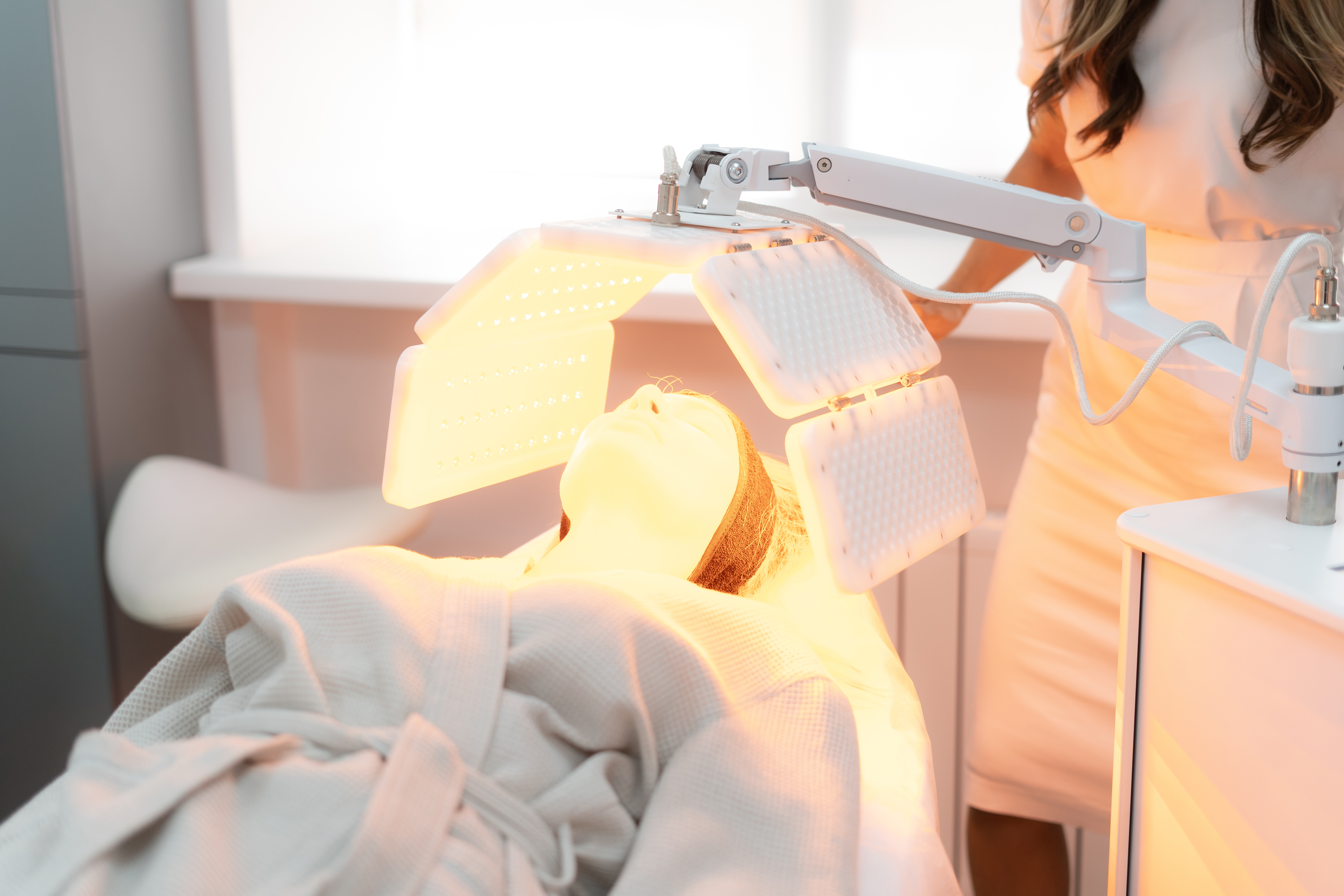
The full-body panels available in professional settings allow simultaneous treatment of large areas, making them ideal for applications like pain relief, athletic recovery, or whole-body skin rejuvenation. Treating your entire face, neck, and chest in a single 20-minute session isn't feasible with handheld home devices but becomes routine with professional equipment. This efficiency matters for busy individuals seeking maximum results with minimal time investment.
Professional oversight provides value beyond equipment quality. Trained practitioners can assess your specific concerns, customize treatment protocols, and monitor progress to adjust approaches as needed. They can also safely combine LED therapy with other treatments, creating comprehensive programs that address multiple aspects of skin aging or health concerns simultaneously.
Home devices offer the compelling advantage of unlimited access and convenience. Once purchased, at-home LED masks, panels, or handheld devices can be used daily without appointment scheduling or travel time. This frequent use can produce excellent results despite lower power output, as consistency and cumulative exposure drive many of LED therapy's benefits. Home treatment also costs less over time compared to ongoing professional sessions.
Quality varies dramatically among home devices, making research essential before purchasing. Look for devices that specify wavelengths, power density, and treatment area coverage. FDA clearance for specific indications provides assurance of safety and some level of effectiveness. Reviews from users with similar concerns help gauge real-world performance beyond marketing claims.
The optimal approach often combines both professional and home treatments. Regular professional sessions provide intensive therapy and professional guidance, while home devices maintain and extend results between office visits. This hybrid strategy delivers superior outcomes compared to either approach alone while controlling costs and maximizing convenience.
Establishing an Effective LED Light Therapy Routine
Success with LED therapy depends heavily on consistency and appropriate treatment protocols. Unlike some interventions that produce immediate visible results, photobiomodulation works through cumulative cellular changes that manifest gradually over weeks to months of regular use.
Treatment frequency recommendations vary by indication and device power. Professional treatments typically occur once or twice weekly for the first several weeks, then decrease to maintenance sessions every two to four weeks once desired improvements are achieved. Home device protocols generally call for daily sessions during initial treatment phases, as their lower power output requires more frequent exposure to match professional treatment effects.
Session duration matters less than total energy delivered, which depends on both light intensity and exposure time. Professional treatments typically last 15 to 30 minutes, while home devices may require 10 to 20 minutes depending on their specifications. Some advanced systems calculate appropriate treatment times automatically based on measured light output and target tissue depth.
The timing of LED therapy within your overall skincare routine influences results. Most experts recommend cleansing skin thoroughly before treatment to remove makeup, sunscreen, and surface oils that might block light penetration. Some advocate applying serums or other products before LED exposure to enhance absorption, while others prefer applying products afterward when increased skin permeability and blood flow maximize uptake.
Consistency proves more important than perfection. Missing occasional treatments won't completely derail progress, but regular, sustained use produces the best outcomes. Setting reminders, scheduling specific treatment times, or integrating LED therapy into existing routines helps maintain consistency despite busy schedules.
Patience becomes essential as results emerge gradually. Initial improvements often appear within two to four weeks for conditions like acne or minor inflammation. Anti-aging benefits typically require eight to twelve weeks of consistent treatment before visible collagen and elastin changes become apparent. Hair growth applications demand the most patience, with noticeable improvements usually requiring three to six months of regular sessions.
Tracking progress through photographs helps maintain motivation and objectively assess results. Weekly or monthly photos taken under consistent lighting conditions reveal changes that are difficult to perceive day-to-day. Measurements of specific concerns—such as counting active acne lesions or measuring areas of hyperpigmentation—provide quantifiable data demonstrating improvement.
The Future of LED Light Therapy: Emerging Applications and Research
The field of photobiomodulation continues expanding rapidly as researchers uncover new applications and refine understanding of therapeutic mechanisms. Emerging evidence suggests the LED light therapy benefits we recognize today represent only a fraction of this technology's potential.
Traumatic brain injury treatment using transcranial LED therapy shows promising preliminary results. Studies indicate that near-infrared light penetrating the skull may reduce inflammation, protect neurons from damage, and potentially improve cognitive recovery following concussion or more severe brain injuries. While these applications remain investigational, early clinical trials have documented improvements in symptoms and cognitive function among TBI patients receiving LED therapy.
Neurodegenerative disease research explores whether regular LED therapy might slow progression or reduce symptoms of conditions like Alzheimer's disease and Parkinson's disease. The mechanisms that enhance mitochondrial function and reduce inflammation in skin cells may provide similar benefits to brain cells struggling with the metabolic dysfunction characteristic of these diseases. While human evidence remains limited, animal studies have shown encouraging neuroprotective effects.
Wound care applications continue expanding beyond cosmetic scar reduction into treatment of chronic non-healing wounds. Diabetic foot ulcers, pressure injuries, and venous leg ulcers often resist conventional treatment, leading to serious complications including amputation. LED therapy's ability to enhance circulation, reduce inflammation, and accelerate tissue repair offers hope for these challenging wounds, with clinical trials demonstrating significantly improved healing rates.
Dental applications leverage LED therapy's antibacterial and anti-inflammatory properties for treating periodontal disease, reducing post-surgical pain, and accelerating healing following dental procedures. Some research suggests LED therapy might even support tooth remineralization and reduce sensitivity, though these applications require further study.
Veterinary medicine has embraced LED therapy for treating animal injuries, arthritis, and wound healing. The same mechanisms that benefit human tissues apply to animals, leading to widespread use in treating everything from canine hip dysplasia to equine tendon injuries.
Personalized protocols based on genetic factors represent an exciting frontier. As understanding grows regarding how individual genetic variations influence cellular responses to light, treatments may be customized based on genetic testing to optimize wavelengths, intensities, and durations for each person's unique biology.
The integration of LED therapy with wearable technology and smart devices creates opportunities for automated, optimized treatment. Imagine devices that adjust wavelengths and intensity based on real-time skin measurements or that automatically track treatment compliance and outcomes, adjusting protocols to maximize results.
Conclusion: Harnessing the Power of Light for Health and Beauty
The remarkable LED light therapy benefits span from profound skin rejuvenation to pain relief, hair restoration, and emerging applications in brain health and beyond. This scientifically validated technology offers a rare combination of effectiveness, safety, and versatility that few treatments can match. Whether you're battling stubborn acne, seeking to turn back the clock on aging skin, managing chronic pain, or exploring ways to optimize your overall wellness, LED therapy provides evidence-based solutions without the risks and downtime associated with invasive procedures.
The key to realizing these benefits lies in consistency, appropriate treatment selection, and realistic expectations. While LED therapy produces remarkable results, it works through gradual cellular changes rather than overnight transformations. Committing to regular sessions and allowing adequate time for cumulative effects to manifest ensures you'll experience the full spectrum of improvements this technology can deliver.
As research continues uncovering new applications and refining protocols, LED therapy's role in health and wellness will undoubtedly expand. The treatment's exceptional safety profile and non-invasive nature position it as an accessible option for almost anyone seeking to enhance their appearance, accelerate healing, or address chronic health concerns. By understanding the science behind photobiomodulation and implementing consistent treatment routines, you can harness the power of therapeutic light to transform your skin, reduce pain, and optimize cellular function throughout your body—achieving results that would have seemed impossible just decades ago when NASA first discovered that light could heal.