What Are the Benefits of a Facial Treatment? A Complete Guide
Your skin is under attack every single day. Pollution, UV rays, stress, and poor sleep pile up and show on your face. Most people wash, moisturize, and hope for the best. But a regular cleanse at home only goes so far. Millions of skin cells sit trapped in your pores. Collagen slows. Dullness creeps in. A professional facial treatment goes deeper. It clears what you cannot reach at home, feeds the skin with active ingredients, and triggers your skin's natural repair process. This guide covers every major benefit of a facial treatment so you know exactly what you are getting, and whether it is right for you. |
What Is a Facial Treatment?
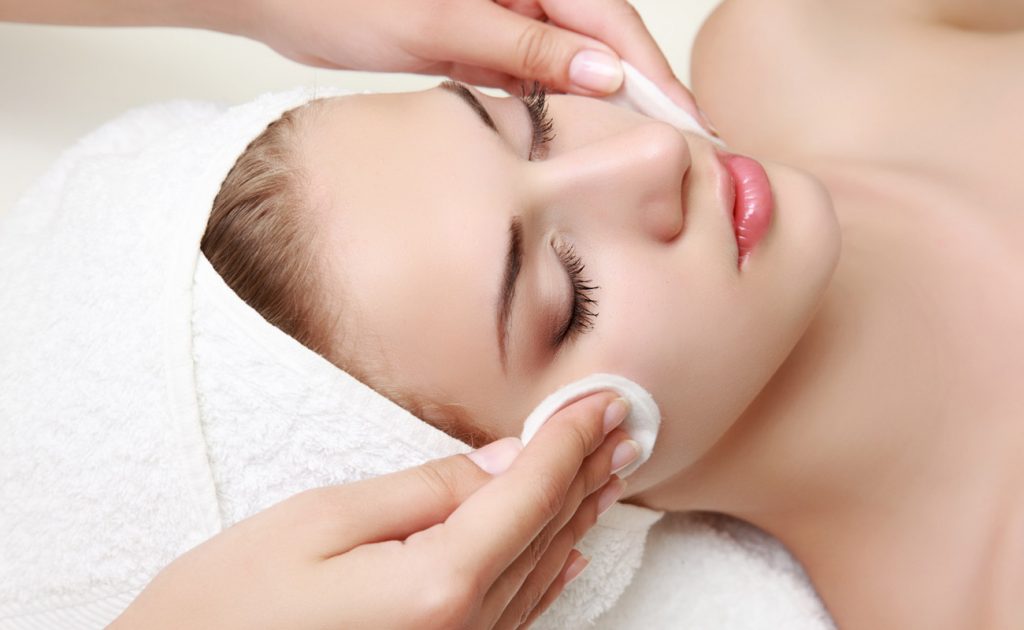
A facial treatment is a multi-step skin care procedure performed by a licensed esthetician or dermatologist. It typically includes cleansing, exfoliation, extraction, a mask, and targeted serums. The exact steps depend on your skin type and the result you want.
There are dozens of facial types available today, from classic deep-cleanse facials to advanced technologies like microcurrent facials and radio frequency treatments. Each one targets a different skin concern with precision.
Popular Facial Treatment Types at a Glance
Facial Type | Primary Benefit | Best For | Frequency |
Classic/Deep Cleanse | Purifies pores and balances oil | Oily, acne-prone skin | Monthly |
Chemical Peel | Removes dead skin layers | Hyperpigmentation, aging | Every 4-6 weeks |
Microdermabrasion | Resurfaces skin texture | Dull, uneven tone | Monthly |
Microcurrent | Lifts and tones facial muscles | Sagging, fine lines | Every 2-4 weeks |
LED Light Therapy | Kills bacteria, boosts collagen | Acne, redness, aging | Weekly or as needed |
Radio Frequency | Tightens loose skin | Mature skin, jawline laxity | Every 4-6 weeks |
Photo Facial (IPL) | Fades pigmentation and redness | Sun damage, rosacea | Every 3-4 weeks |
Microneedling | Stimulates collagen production | Scars, large pores, lines | Every 4-6 weeks |
Benefit 1: Deep Pore Cleansing You Cannot Get at Home
Your daily face wash cleans the surface. A facial treatment cleans three levels deep. Estheticians use steam, enzyme exfoliants, and manual extraction tools to pull congestion directly from your pores.
This matters because clogged pores are the root cause of blackheads, whiteheads, milia, and many breakouts. You cannot squeeze them out safely at home without risking scarring or spreading bacteria.
Why home extraction is risky: • Unsterilized hands and tools push bacteria deeper • Wrong pressure angle causes broken capillaries • Improper technique leads to post-inflammatory hyperpigmentation • No professional can assess what needs to be extracted vs left alone |
A professional has the training, tools, and lighting to do this safely. If you want to know what a first facial feels like step by step, read this guide on what to expect at your first facial.
Benefit 2: Professional-Grade Exfoliation for Brighter Skin
Skin renews itself every 28 to 40 days. As you age, that cycle slows down. Dead cells pile up, causing dullness, rough texture, and uneven tone. Over-the-counter scrubs barely touch this problem.
Professional exfoliation methods go much further. Two of the most effective are:
• Chemical exfoliants: acids like glycolic, lactic, and mandelic acid dissolve the bond holding dead cells together
• Physical exfoliation: microdermabrasion or dermaplaning manually removes the top layer with precision
Not all acids work the same way. If you want to understand the difference between popular options, this comparison of mandelic acid vs glycolic acid breaks down which works better for different skin types.
Chemical peels are a dedicated exfoliation treatment on their own. They range from mild superficial peels to deeper resurfacing. Before booking one, read about the benefits and risks of chemical peels so you know what level suits you.
Benefit 3: Anti-Aging Effects and Collagen Stimulation
Collagen is the protein that keeps skin firm, plump, and smooth. Your body produces less of it every year after age 25. Most facial treatments are designed to fight this decline.
How Different Facial Treatments Target Aging:
Treatment | How It Fights Aging | Visible Result |
Microneedling | Creates micro-injuries that trigger collagen synthesis | Firmer skin, reduced wrinkles |
Radio Frequency | Heats dermis to tighten existing collagen fibers | Lifted, tighter skin contour |
Microcurrent | Stimulates facial muscles with low electrical current | Lifted brows, defined jawline |
Chemical Peel | Removes old skin to reveal new, fresher layers | Smoother texture, fewer lines |
LED Red Light | Penetrates skin to activate collagen production | Plumper, more youthful skin |
Microdermabrasion and microneedling are often compared because both target texture and aging. They work very differently, though. This side-by-side breakdown of microdermabrasion vs microneedling helps you decide which one matches your concern.
Benefit 4: Targeted Treatment for Specific Skin Conditions
A facial treatment is not just a luxury. For people dealing with acne, hyperpigmentation, rosacea, or hormonal breakouts, it can be a real clinical solution.
Acne and Breakouts
Acne facials combine deep cleansing, salicylic acid exfoliation, high-frequency tools, and calming masks. LED blue light therapy kills acne-causing bacteria without any harsh products.
Hormonal acne is a separate beast. It requires a different strategy entirely. This guide on how to treat hormonal acne explains what works and what makes it worse.
Hyperpigmentation and Dark Spots
Dark spots from sun exposure, acne scars, or hormonal changes respond well to peels, vitamin C serums, and brightening facials. Regular treatments fade discoloration faster than any home product.
For a non-treatment approach alongside facials, read about reducing hyperpigmentation naturally.
Rosacea and Sensitivity
Rosacea requires very specific care. The wrong facial can trigger a major flare. LED red and yellow light therapy, along with calming enzyme treatments, can reduce redness without irritation.
Learn which approaches work and which to avoid in this article on treating rosacea safely.
Benefit 5: Deep Hydration and Barrier Repair
Dehydrated skin looks tired, feels tight, and shows fine lines earlier than it should. Even oily skin can be dehydrated. A facial treatment delivers moisture at the dermis level, not just the surface.
Estheticians layer hydrating serums, hyaluronic acid treatments, and occlusive masks in sequence. This locks moisture into the skin rather than letting it evaporate within hours.
Key hydrating ingredients used in professional facials: • Hyaluronic acid: holds up to 1,000 times its weight in water • Squalane: mimics the skin's own sebum without clogging pores • Ceramides: repair the protective moisture barrier • Niacinamide: reduces water loss through the skin surface • Meristem extract: a plant stem cell ingredient that improves hydration retention |
Curious about newer actives? This article on what is meristem extract explains how plant stem cells are changing skin hydration science.
Benefit 6: Better Absorption of Active Ingredients
Exfoliation and extraction during a facial remove the barrier of dead cells and sebum. This means the serums and treatments applied afterward penetrate 3 to 5 times more effectively than on unprepared skin.
This is why the serum sequence after a facial matters. Your esthetician chooses products specifically for your skin that day.
Vitamin C is one of the most used post-facial serums because of its brightening and antioxidant properties. Read about the full range of vitamin C serum benefits to understand why it pairs so well with facial treatments.
Another ingredient gaining clinical attention is saffron. It contains natural antioxidants that support skin tone and texture. This guide on saffron benefits for skin explains the research behind it.
Benefit 7: Advanced Technology Facials for Faster Results
Modern facial treatments go beyond massage and masks. Technology-driven facials use energy, light, and electrical current to produce results that topical products simply cannot match.
Technology-Based Facial Benefits:
Technology | What It Does | Unique Benefit |
LED Blue Light | Kills P. acnes bacteria | No antibiotics needed |
LED Red Light | Boosts cellular energy | Natural collagen support |
Microcurrent | Contracts facial muscles | Non-surgical face lift effect |
Radio Frequency | Heats collagen fibers | Long-lasting skin tightening |
Thermoclear | Treats skin irregularities | Removes tags, milia, fibromas |
IPL Photo Facial | Light pulses target pigment | Clears sunspots and redness |
LED light therapy covers a wide range of conditions beyond acne and aging. Read the full breakdown of LED light therapy benefits to see which light color treats which skin issue.
If you are curious about Thermoclear, a treatment that removes skin tags, milia, and broken capillaries, read this detailed explanation of the Thermoclear treatment.
Photo facials use intense pulsed light to clear sun damage, broken blood vessels, and uneven tone. Learn more about what a photo facial treatment involves and whether it is the right fit for your skin.
Benefit 8: Stress Relief and Mental Wellbeing
Cortisol, the stress hormone, directly damages skin. It breaks down collagen, triggers oil production, and slows healing. A facial treatment lowers cortisol levels through touch, warmth, and rest.
The face contains hundreds of pressure points. Massage during a facial activates the parasympathetic nervous system, which reduces heart rate and promotes deep relaxation. This is not just comfort. It has measurable effects on skin health.
What stress does to your skin over time: • Increases sebum production, causing breakouts • Impairs the skin barrier, leading to sensitivity • Accelerates collagen breakdown and fine lines • Slows wound healing and post-acne recovery • Triggers inflammatory skin conditions like eczema and psoriasis |
Benefit 9: A Customized Plan for Your Exact Skin Type
No two skin types are the same. What works for dry skin can make oily skin worse. A facial treatment gives you a professional assessment of your skin before anything touches your face.
Your esthetician analyzes pore size, hydration, texture, pigmentation, and sensitivity. Then they customize every product and technique to your needs that day.
Not sure what facial your skin type needs? This guide on choosing the best facial for your skin type walks you through the options clearly.
Recommended Facial Treatments by Skin Type:
Skin Type | Primary Concern | Best Facial Approach |
Oily / Acne-Prone | Excess sebum, breakouts | Deep cleanse, blue LED, salicylic peel |
Dry / Dehydrated | Tightness, flaking | Hydrating facial, enzyme exfoliation, hyaluronic mask |
Combination | T-zone oil, dry cheeks | Customized zones, gentle peel, balancing mask |
Sensitive / Rosacea | Redness, flushing | Calming facial, LED red/yellow, enzyme only |
Mature / Aging | Lines, sagging, pigment | Microcurrent, RF, peel, vitamin C serum |
Dull / Uneven Tone | Flatness, dark spots | Microdermabrasion, vitamin C, brightening mask |
Benefit 10: Long-Term Skin Improvement Through Regular Treatments
One facial will leave your skin glowing. But the real benefits of a facial treatment come with consistency. Each session builds on the last. Collagen production increases over months, not days.
The frequency depends on your skin concern and treatment type. Learn the right schedule in this article on how often you should get a facial.
General frequency guidelines: • Monthly: classic facials and general maintenance • Every 4-6 weeks: chemical peels and microdermabrasion • Every 2-4 weeks: acne-focused treatments • Every 4-8 weeks: microneedling and radio frequency • Weekly: LED light therapy sessions |
After your facial, how you care for your skin matters just as much as the treatment itself. Read this guide on how to maintain facial results to protect your investment.
One common question after a facial is whether you can wear makeup right away. The short answer is: you should wait. Read why in this article on can you wear makeup after a facial.
Esthetician vs Dermatologist: Who Should Perform Your Facial?
Both can deliver facial treatments, but they serve different purposes. An esthetician specializes in non-medical skin care, maintenance, and aesthetic improvement. A dermatologist handles diagnosed skin diseases and medical-grade procedures.
For most facial treatments, a licensed esthetician is your best option. For complex conditions like severe cystic acne or suspicious lesions, you need a dermatologist first. Read a full comparison in this guide on esthetician vs dermatologist to understand which professional you actually need.
How Facial Treatments Support Your Daily Skin Care Routine
A facial treatment does not replace your daily routine. It amplifies it. After clearing your pores and resurfacing the skin, your daily serums, moisturizers, and SPF work better and absorb faster.
One of the most overlooked post-facial steps is SPF. Sun exposure undoes collagen benefits fast. This guide on choosing the right SPF for your skin type helps you pick a formula that does not clog pores or cause breakouts.
The products you use at home also matter. Water-based and oil-based products interact differently with your skin after a facial. Read this breakdown of oil-based vs water-based products to layer them correctly.
If you live in a city with pollution, humidity swings, or UV intensity, your routine needs to adapt. This guide on a skin care routine for the Los Angeles climate shows how environmental factors change what your skin needs.
How to Choose the Right Facial Treatment for Your Goals
With so many options, choosing can feel overwhelming. Start with your primary concern. Then consider your skin sensitivity, downtime tolerance, and budget. Your esthetician will narrow it down from there.
Quick decision guide: • Want brighter skin fast? Book a chemical peel or microdermabrasion • Dealing with breakouts? Start with an acne facial and blue LED therapy • Looking younger without surgery? Try microcurrent or radio frequency • Struggling with dark spots? Choose a brightening facial with vitamin C or a light peel • Skin feels dull and rough? Microdermabrasion or an enzyme facial is your starting point • Sensitive skin? A calming LED facial with no active acids is the safest entry point |
If you are in Los Angeles, this guide on how to choose a facial treatment in Los Angeles helps you find the right provider and treatment in your area.
For back acne, which many people do not realize can also be treated professionally, read about back acne causes and solutions.
What the Research Says About Facial Treatments
Clinical evidence backs many of the benefits discussed above. Here are some external sources worth reading:
1. The American Academy of Dermatology outlines how professional-grade actives outperform over-the-counter products for anti-aging, supporting why professional facials deliver results home care cannot.
2. The National Institutes of Health published research on LED photobiomodulation and its effects on skin rejuvenation and collagen synthesis, confirming the measurable biological effects of light-based facial treatments.
3. Healthline's science-backed guide to microneedling benefits and what to realistically expect from treatment is a reliable reference for anyone considering collagen induction therapy.
Frequently Asked Questions About Facial Treatment Benefits
How quickly will I see results from a facial treatment?
Most people see improved texture, brightness, and hydration within 24 to 48 hours after a facial. Anti-aging results from microneedling or radio frequency take 4 to 12 weeks as collagen rebuilds.
Are facial treatments worth the cost?
For most skin concerns, yes. A single professional facial delivers deeper results than months of home product use. The key is consistency. Regular treatments are more cost-effective per result than replacing products every few months.
Can facial treatments cause skin damage?
When performed by a licensed professional, facial treatments are safe for most skin types. Risk increases when people use at-home devices incorrectly, attempt self-extraction, or book treatments that do not match their skin type.
What is the best facial treatment for aging skin?
There is no single best option. Microcurrent lifts muscles. Radio frequency tightens skin. Chemical peels resurface. Microneedling rebuilds collagen. Most estheticians recommend a combination approach for mature skin, rotating treatments over time.
Can I get a facial if I have active acne?
Yes, but the right kind. A dedicated acne facial with gentle cleansing, blue LED, and anti-inflammatory ingredients will help, not harm. Tell your esthetician about all active breakouts before your session.
The Core Benefits of a Facial Treatment, Summarized: • Clears pores at a depth home cleansing cannot reach • Exfoliates dead skin for brighter, smoother texture • Stimulates collagen and slows visible signs of aging • Targets specific conditions like acne, hyperpigmentation, and rosacea • Restores deep hydration and repairs the moisture barrier • Improves absorption of your daily skin care products • Delivers technology-driven results through LED, RF, microcurrent, and more • Reduces cortisol and promotes measurable stress relief • Provides a customized skin assessment and treatment plan • Creates cumulative, long-lasting improvement with consistent sessions The benefits of a facial treatment go well beyond a one-time glow. They are about building skin health over time with professional guidance, the right techniques, and ingredients that actually work for your skin type. If you are ready to take the next step, book your facial consultation and start with a clear plan built around your skin. |