How to Treat Hormonal Acne: The Complete Guide to Clearer Skin
Evidence-Based Strategies for Breaking the Cycle of Hormonal Breakouts
Introduction: The Breakout That Won't Quit
You eat well. You cleanse. You moisturize. You do everything right — and yet, like clockwork, a cluster of deep, painful pimples appears along your jawline or chin the week before your period. Sound familiar? Hormonal acne is one of the most frustrating skin conditions because it doesn't respond to ordinary skincare logic. This is not a hygiene problem. This is a hormone problem.
Hormonal acne affects an estimated 50% of women between ages 20 and 29, and nearly 25% of women between ages 40 and 49 — making it far more common than most people realize. Even men experience it, often driven by fluctuating testosterone levels. Yet despite how widespread it is, millions of people are treating it with the wrong products and walking away defeated.
In this guide, you will discover exactly how to treat hormonal acne — from understanding the root causes at a biological level, to choosing the right topical treatments, lifestyle adjustments, professional procedures, and daily skincare rituals that actually move the needle. Whether you have been struggling for months or years, this is the resource you have been looking for.
What Is Hormonal Acne? Understanding the Root Cause
Before we talk about how to treat hormonal acne, we need to understand what it actually is. Hormonal acne is a specific subtype of acne vulgaris that is triggered — or significantly worsened — by fluctuations in hormones, particularly androgens like testosterone and DHEA-S.
Here is what happens beneath the skin: androgens stimulate the sebaceous (oil) glands to produce excess sebum. That excess oil mixes with dead skin cells and clogs the hair follicle. Add the presence of Cutibacterium acnes bacteria, and you have the perfect environment for inflammation, resulting in the cysts, pustules, and nodules characteristic of hormonal breakouts.
Key Hormones Involved in Acne
Hormone | Role | Effect on Skin |
Testosterone (Androgens) | Stimulates sebaceous glands | Increases oil production, clogs pores |
Estrogen | Counterbalances androgens | Low estrogen = worsened acne |
Progesterone | Rises mid-cycle | Can trigger inflammation and breakouts |
Cortisol (Stress Hormone) | Released during stress | Boosts androgen activity, spikes oil production |
Insulin / IGF-1 | Blood sugar regulation | Elevated levels worsen hormonal acne |
How to Identify Hormonal Acne vs. Other Types
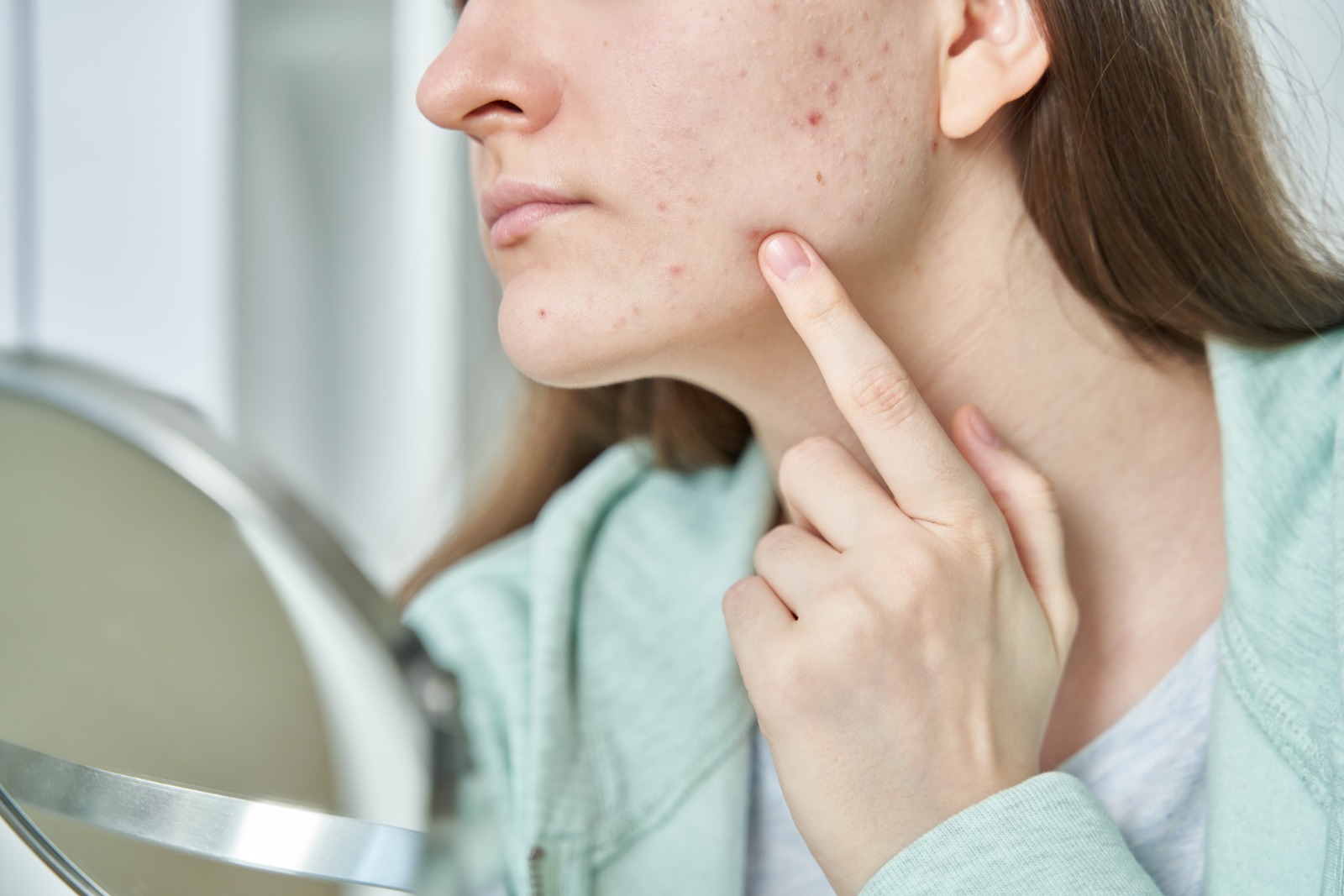
Not every breakout is hormonal. Hormonal acne has a very specific signature that sets it apart from stress acne, dietary acne, or contact acne.
• Location: Primarily on the lower face — jawline, chin, and neck
• Timing: Often flares 7 to 10 days before menstruation
• Type of lesions: Deep, cystic, painful bumps rather than surface whiteheads
• Persistence: Recurs in the same spots month after month
• Age: Common in adult women, even those who had clear skin as teenagers
How to Treat Hormonal Acne: The Full Framework
There is no single magic pill or serum that eliminates hormonal acne overnight. Effective treatment requires a layered, multi-pronged approach that addresses the condition from the inside out and the outside in. Think of it as a four-pillar strategy: topical treatments, systemic/medical interventions, lifestyle optimization, and professional skincare.
Pillar 1: Topical Treatments for Hormonal Acne
Topical treatments are your first line of defense. The right ingredients, used consistently, can significantly reduce breakouts, control sebum, and calm inflammation. Here are the most effective options backed by dermatological research:
Ingredient | How It Works | Best For |
Retinoids (Retinol / Tretinoin) | Speeds cell turnover, unclogs pores | Stubborn, recurring cystic acne |
Niacinamide | Reduces sebum, calms redness | Sensitive, inflamed hormonal breakouts |
Salicylic Acid (BHA) | Exfoliates inside pores | Blackheads, whiteheads, oily skin |
Benzoyl Peroxide | Kills acne bacteria | Active pustules and inflamed lesions |
Azelaic Acid | Anti-inflammatory, fades PIH | Post-acne marks, sensitive skin |
Mandelic Acid | Gentle exfoliation, antibacterial | Dark skin tones, reactive skin |
Clindamycin (Rx) | Topical antibiotic | Infected, inflamed cystic acne |
When selecting exfoliants, it is worth understanding the differences between acids. Our in-depth comparison of mandelic acid vs. glycolic acid can help you determine which chemical exfoliant is best suited for your skin type and acne concerns.
Similarly, adding a vitamin C serum to your morning routine can accelerate healing of post-acne hyperpigmentation while boosting overall skin radiance.
Pillar 2: Medical and Systemic Treatments
When topical treatments alone are insufficient, medical intervention is often necessary. A dermatologist or gynecologist can prescribe systemic therapies that target the hormonal root cause directly.
Oral Contraceptives
Certain combined oral contraceptive pills (OCPs) are FDA-approved for the treatment of acne. They work by lowering androgen levels, which directly reduces sebum production. Pills with a high estrogen-to-progestin ratio tend to be the most effective. Commonly prescribed options include norgestimate-ethinyl estradiol and drospirenone-ethinyl estradiol combinations.
Results typically take 3 to 6 months to become apparent. This is not a quick fix, but it is one of the most effective long-term solutions for women with hormonally driven breakouts.
Spironolactone
Originally developed as a diuretic and blood pressure medication, spironolactone has become one of dermatology's most powerful tools against hormonal acne in women. It works as an androgen-receptor blocker — essentially preventing testosterone from stimulating oil glands.
Studies show that spironolactone (typically dosed between 50 and 200 mg daily) reduces acne lesions by 50 to 70% in many patients. It is prescription-only, requires monitoring, and is not suitable for pregnancy. However, for women whose acne is clearly hormonally driven, it can be transformative.
Isotretinoin (Accutane)
For severe, cystic hormonal acne that does not respond to other treatments, isotretinoin may be recommended. It dramatically reduces sebaceous gland size and sebum output. It carries significant side effects and requires close medical supervision, but for the right candidate, it can be life-changing.
Metformin and Hormonal Acne in PCOS
For women with Polycystic Ovary Syndrome (PCOS), insulin resistance is often a major driver of elevated androgens and, by extension, acne. Metformin, an insulin sensitizer, is sometimes prescribed to lower androgens indirectly by addressing this root metabolic issue.
How to Treat Hormonal Acne With Diet and Lifestyle
The skin is not an island. What happens in your gut, your sleep cycle, and your stress levels shows up on your face. Lifestyle adjustments are not optional extras when treating hormonal acne — they are essential pillars of an effective strategy.
The Hormonal Acne Diet: Foods That Help and Hurt
Category | Foods to Limit | Foods to Favor |
Dairy | Milk, ice cream, whey protein | Plant-based alternatives (oat milk, almond milk) |
Sugar / High GI | White bread, soda, candy, pastries | Whole grains, legumes, sweet potatoes |
Fats | Trans fats, vegetable oils | Omega-3s (salmon, flaxseed, walnuts) |
Proteins | Excess red meat, processed meats | Lean chicken, fish, tofu, tempeh |
Antioxidants | Processed snack foods | Berries, leafy greens, green tea, turmeric |
Dairy deserves special mention. Multiple studies have linked milk consumption — particularly skim milk — to increased acne severity. The theory is that milk contains bioactive hormones and growth factors (including IGF-1) that stimulate oil glands. Eliminating or significantly reducing dairy is one of the first dietary changes worth experimenting with.
A low-glycemic diet has also shown strong results in clinical trials. High-glycemic foods spike blood sugar, triggering a cascade of insulin and IGF-1 that ramps up sebum production. Shifting to a lower-GI eating pattern can reduce acne lesion counts by 20 to 50% over several weeks.
The Role of Stress and Cortisol
When you are under chronic stress, your adrenal glands pump out cortisol. Cortisol, in turn, stimulates androgens — and you already know what androgens do to skin. This is why breakouts spike during exams, work deadlines, relationship conflicts, and major life transitions.
Stress management is therefore not a soft, optional recommendation. It is clinical necessity for hormonal acne sufferers. Effective strategies include:
• Mindfulness meditation (even 10 minutes daily has measurable cortisol-lowering effects)
• Regular aerobic exercise (3 to 5 sessions per week)
• Adequate sleep (7 to 9 hours consistently)
• Journaling or talk therapy for anxiety and emotional processing
• Limiting caffeine after noon, which disrupts cortisol rhythms
Sleep and Skin Repair
During deep sleep, your body releases human growth hormone (HGH), repairs tissue, and recalibrates cortisol levels. Chronic sleep deprivation keeps cortisol elevated, suppresses immune function (making breakouts harder to heal), and disrupts the skin barrier. If you are sleeping fewer than 7 hours per night, addressing that alone can have a measurable positive impact on skin clarity.
The Right Skincare Routine for Hormonal Acne
Even if you are addressing hormonal acne from the inside with diet, lifestyle, and medical treatment, you still need a well-structured external routine to manage breakouts and protect your skin barrier.
Morning Routine
1. Gentle cleanser: Use a sulfate-free, pH-balanced cleanser. Avoid harsh scrubbing which strips the skin and triggers rebound oiliness.
2. Toner or BHA (optional): A gentle salicylic acid toner can keep pores clear without overdrying.
3. Vitamin C serum: Antioxidant protection and pigmentation fading.
4. Lightweight, non-comedogenic moisturizer: Look for gel-cream textures; avoid heavy oils.
5. SPF 30+ sunscreen: Non-negotiable. UV exposure worsens post-acne marks and inflammation.
Evening Routine
6. Oil-based or micellar cleanser: Remove makeup and sunscreen thoroughly.
7. Second cleanse: Gel or foam cleanser to clean the skin itself.
8. Active treatment: Retinoid (start with retinol, graduate to tretinoin with guidance) or azelaic acid.
9. Niacinamide serum: Especially beneficial for regulating sebum and calming redness.
10. Moisturizer: Seal in hydration. A ceramide-rich formula supports the skin barrier.
Not sure what skin type-specific routine is right for you? Explore our guide on finding the best facial for your skin type to get a clearer picture of where to start.
Professional Treatments: When to Seek Expert Help
At-home skincare can only go so far. Professional treatments can dramatically accelerate clearing hormonal acne, address stubborn cysts that topicals cannot reach, and fade the lingering dark marks that breakouts leave behind.
Chemical Peels
Chemical peels use acids at higher concentrations than those found in over-the-counter products to exfoliate the skin's surface and, in some cases, penetrate deeper layers. For hormonal acne, peels with salicylic acid, glycolic acid, or lactic acid can unclog pores en masse, reduce active breakouts, and stimulate collagen production.
A series of superficial to medium peels is often recommended for acne-prone skin. Learn more about the potential benefits and what to expect in our guide to chemical peel benefits and risks.
LED Light Therapy
LED light therapy is a non-invasive, painless treatment that uses specific wavelengths of light to target acne at multiple levels. Blue light (415nm) kills Cutibacterium acnes bacteria. Red light (630 to 660nm) reduces inflammation and accelerates healing. Near-infrared light penetrates deeper to stimulate cellular repair.
For hormonal acne, consistent LED sessions can reduce active breakouts and calm chronic inflammation without any downtime or chemicals. Read more about the science behind LED light therapy benefits.
Microdermabrasion vs. Microneedling
These two treatments are often confused, but they work very differently. Microdermabrasion is a surface-level physical exfoliation that removes dead skin cells and improves skin texture and tone — great for mild acne and post-acne marks. Microneedling, on the other hand, creates controlled micro-injuries in the dermis, triggering a wound-healing response that produces new collagen.
For hormonal acne scarring and textural irregularities, microneedling tends to deliver more dramatic, lasting results. However, active breakouts must be cleared before microneedling is performed.
See our full breakdown of microdermabrasion vs. microneedling to understand which treatment is appropriate for your skin stage.
Radio Frequency Facial
Radiofrequency (RF) facial treatments use targeted energy to heat the dermis, stimulating collagen production and tightening tissue. While not a primary acne treatment, RF facials can address the textural damage, pore enlargement, and mild scarring that chronic hormonal acne leaves behind — particularly useful for long-term skin restoration.
Understand exactly how radio frequency facials work and whether they might be part of your post-acne skin recovery plan.
Microcurrent Facials
Microcurrent facials deliver low-level electrical currents to tone facial muscles, improve lymphatic drainage, and support cellular ATP production. While not a direct acne treatment, they can improve overall skin health, reduce puffiness around inflamed areas, and support faster healing.
Learn more about what a microcurrent facial is and what it treats.
Thermoclear Treatment
Thermoclear is a targeted treatment that uses high-frequency energy to treat minor skin irregularities including milia, sebaceous hyperplasia, and certain types of closed comedones that contribute to congestion. It is a highly precise, quick-recovery tool for specific texture issues.
Find out if this treatment is appropriate for your skin in our post on what Thermoclear treatment does.
Esthetician vs. Dermatologist: Who Should You See?
This is one of the most common questions people ask when starting their hormonal acne journey. The answer depends on the severity of your condition and what you need from treatment.
Provider | Best For | Can Prescribe? | Treatments Offered |
Dermatologist | Moderate to severe acne, medical Rx | Yes | Isotretinoin, spironolactone, antibiotics |
Esthetician | Mild to moderate acne, skin maintenance | No | Facials, peels, LED, extractions |
Both (Ideal) | Comprehensive hormonal acne management | Yes (MD) | Combined medical + professional skincare |
For a detailed guide on making the right choice, read our article on esthetician vs. dermatologist — who you really need.
Natural and Supplemental Approaches to Hormonal Acne
While not a replacement for medical treatment, several natural compounds have demonstrated meaningful benefits for hormonal acne. Always discuss supplements with your healthcare provider before starting them.
Spearmint Tea
Multiple studies have shown that spearmint tea has anti-androgenic properties. In one randomized controlled trial, women drinking two cups of spearmint tea daily for 30 days showed a significant reduction in free testosterone levels and acne severity scores. While modest in effect, it is low-risk and worth incorporating.
Zinc
Zinc is arguably the most evidence-backed supplement for acne. It inhibits 5-alpha-reductase (the enzyme that converts testosterone to its more potent form DHT), reduces sebum production, and has anti-inflammatory and antibacterial properties. Zinc gluconate or zinc picolinate at 30 to 45 mg per day is commonly recommended.
Vitex (Chaste Tree Berry)
Vitex agnus-castus has been used for centuries to support female hormonal balance. Modern research suggests it may help regulate the luteinizing hormone (LH) to follicle-stimulating hormone (FSH) ratio and reduce symptoms of PMS, including hormonally triggered breakouts. Results typically take 3 to 6 months.
DIM (Diindolylmethane)
DIM is a compound derived from cruciferous vegetables (broccoli, cauliflower, Brussels sprouts). It supports estrogen metabolism by promoting the conversion of stronger, more inflammatory estrogen forms into weaker, more protective ones. Some women with hormonally driven acne find it helpful, particularly if estrogen dominance is a contributing factor.
Saffron
Saffron has garnered increasing interest in dermatology as an anti-inflammatory and antioxidant botanical with potential skin-brightening effects. Its active compound crocin has shown promise in reducing oxidative stress — a significant factor in acne severity. Explore the broader application of saffron benefits for skin.
Hormonal Acne and Your Menstrual Cycle: Timing Is Everything
Understanding where you are in your cycle can help you anticipate and manage hormonal acne flares with precision — a strategy sometimes called cycle-syncing your skincare.
Cycle Phase | Approximate Days | Hormonal State | Skin Strategy |
Menstrual | Days 1–5 | Low estrogen & progesterone | Gentle, soothing products; avoid actives |
Follicular | Days 6–13 | Rising estrogen | Skin often clearest; good time for peels |
Ovulatory | Days 14–16 | Peak estrogen, LH surge | Maintain routine; skin typically radiant |
Luteal | Days 17–28 | Rising progesterone, dropping estrogen | Increase actives; spot treat proactively |
During the luteal phase (the two weeks before your period), progesterone rises and causes the skin to become oilier and more congested. This is when hormonal acne is most likely to flare. Proactively increasing use of your BHA toner or retinoid in the week before your expected breakout can reduce its severity.
How to Treat Hormonal Acne Scars and Post-Acne Marks
Successfully treating hormonal acne does not necessarily restore your skin to its pre-acne state. Breakouts leave behind two common types of damage that require their own targeted approach:
Post-Inflammatory Hyperpigmentation (PIH)
PIH refers to the flat, dark spots left after an acne lesion heals. They are especially common in medium to deep skin tones. They are not true scars — they are temporary discoloration — but they can take months to fade without intervention.
Most effective treatments for PIH:
• Vitamin C (inhibits melanin production)
• Niacinamide (interrupts melanin transfer)
• Alpha Arbutin
• Azelaic Acid
• Tranexamic Acid
• Chemical peels (AHA-based)
• Daily SPF use (prevents UV from deepening marks)
Atrophic Acne Scars
True scarring from cystic acne — pitting, boxcar scars, ice pick scars — requires professional treatment. Microneedling, fractional laser resurfacing, and subcision are among the most effective medical options. These procedures take time and multiple sessions but can significantly improve the skin's surface texture.
When and How Often to Get Professional Facials for Acne
Professional facials are a valuable adjunct to your at-home routine when dealing with hormonal acne. But frequency matters — over-treating can compromise your skin barrier, while under-treating misses the opportunity to address congestion before it becomes active breakouts.
For most people with moderate hormonal acne, one professional facial every 4 to 6 weeks is ideal. This aligns with the skin's natural cell renewal cycle. Our guide on how often you should get a facial breaks down the ideal frequency based on your skin type and concerns.
Between professional appointments, maintaining your at-home routine consistently is what drives results. Consistency beats intensity every time with hormonal acne.
Finding the Right Treatment Provider in Los Angeles
If you are in the Los Angeles area, you have access to some of the country's most skilled estheticians and dermatologists — but the abundance of options can make choosing the right provider feel overwhelming.
Our comprehensive guide on how to choose the right facial treatment in Los Angeles covers what to look for in a professional provider, how to evaluate whether their approach aligns with your skin needs, and how to avoid common pitfalls in the LA skincare industry.
Los Angeles also has a unique climate — warm, dry, and heavily influenced by sun exposure and pollution — that requires a specifically adapted approach to skincare. Our guide on building a skin care routine for the Los Angeles climate can help you adapt your acne management strategy to the local environment.
What the Research Says: External References
For those who want to go deeper into the science behind hormonal acne, the following external resources are authoritative starting points:
The American Academy of Dermatology (AAD) provides clinical treatment guidelines for acne vulgaris, including hormonal therapies — visit their resource at aad.org/public/diseases/acne.
For peer-reviewed research on diet and acne, the Journal of the American Academy of Dermatology has published multiple systematic reviews. Access their database via PubMed — NCBI by searching 'hormonal acne treatment' or 'diet acne systematic review'.
Your First Facial Consultation: What to Expect
If you are new to professional skincare treatments for acne, it is natural to feel uncertain about what a first appointment looks like. Our article on what to expect at your first facial walks you through the entire process — from the initial skin analysis and consultation to the treatments themselves and post-care instructions.
Going in prepared means you can have a more productive conversation with your esthetician or dermatologist, get more out of your appointment, and feel confident rather than anxious.
How to Treat Hormonal Acne: Quick Reference Summary
Treatment Category | Options | Timeline for Results |
Topical Actives | Retinoids, BHA, niacinamide, azelaic acid | 4 to 12 weeks |
Oral Medications | Spironolactone, OCPs, isotretinoin | 3 to 6 months |
Diet Changes | Low-GI diet, reduce dairy, increase omega-3s | 4 to 8 weeks |
Stress Management | Meditation, sleep, exercise, therapy | 2 to 6 weeks |
Supplements | Zinc, spearmint, DIM, vitex | 4 to 12 weeks |
Professional Facials | Chemical peels, LED, microneedling | Series of 4–6 sessions |
Scar Treatment | Vitamin C, microneedling, fractional laser | 3 to 12 months |
Cycle Syncing | Adjust routine to menstrual phases | Ongoing / immediate |
Conclusion: Treating Hormonal Acne Is a Marathon, Not a Sprint
Hormonal acne is one of the most complex and personally challenging skin conditions to navigate. It sits at the intersection of biology, lifestyle, psychology, and skincare science. There is no magic product that resolves it overnight — but there absolutely is a path forward.
The most effective approach to how to treat hormonal acne combines internal work (addressing root hormone imbalances through medicine, diet, and stress reduction) with external care (the right topical ingredients, professional treatments, and a disciplined routine). Both halves of the equation matter.
Start by identifying your triggers. Track your breakouts in relation to your cycle. Try one or two dietary changes and observe what shifts. Build a topical routine around the evidence-backed ingredients. And if your acne is persistent, cystic, or taking a serious toll on your confidence and quality of life, please see a dermatologist. You do not have to manage this alone.
Clear, healthy skin is achievable — even with hormonal acne. It simply requires the right strategy, the right patience, and the right support.