The Ultimate Guide to Vitamin C Serum Benefits: Brighten, Protect, and Transform Your Skin
Introduction: The Missing Link in Your Skincare Routine
Your skin fights a daily battle against pollution, UV rays, and stress—yet most skincare routines fail to provide adequate defense. The result? Dullness, uneven tone, and premature aging that leave you searching for answers. But what if one ingredient could transform your complexion from lackluster to luminous? Vitamin C serum benefits extend far beyond basic skincare, offering potent antioxidant protection, collagen stimulation, and remarkable brightening power. This comprehensive guide will reveal how incorporating this powerhouse ingredient can revolutionize your skin health and help you achieve the radiant, youthful glow you deserve.
What Makes Vitamin C Serum a Skincare Essential? Understanding Vitamin C Serum Benefits
Before diving into specific advantages, it's crucial to understand why vitamin C has earned its reputation as a skincare superstar. Vitamin C, scientifically known as L-ascorbic acid, is a potent antioxidant that occurs naturally in your skin but declines with age and environmental exposure. Topical application through serums delivers concentrated doses directly where they're needed most.
The Science of Vitamin C in Skincare
Vitamin C works at the cellular level to protect, repair, and rejuvenate your skin. When applied topically, it penetrates the epidermis and accumulates in the skin, where it performs multiple essential functions. Recent research has revealed that vitamin C doesn't just sit on the surface—it actively communicates with your skin cells to promote healthier, more resilient tissue.
A groundbreaking 2025 study published in the Journal of Investigative Dermatology discovered that vitamin C activates specific genes responsible for skin cell growth and repair through a process called DNA methylation. This means that adequate vitamin C levels literally "switch on" your skin's youth genes, promoting thicker, more robust skin over time. Understanding these foundational benefits helps explain why dermatologists and estheticians consistently recommend vitamin C, whether you're consulting them about how to choose a facial treatment in Los Angeles or building a daily routine from scratch.
Why Serum Form Matters
You might wonder why a serum specifically, rather than a moisturizer or cleanser containing vitamin C. The answer lies in concentration and delivery. Serums are formulated with smaller molecules that penetrate deeper into the skin, delivering higher concentrations of active ingredients directly to the cells that need them most. When you understand these fundamental vitamin C serum benefits, you'll see why this formulation has become non-negotiable in dermatologist-recommended routines.
Top 10 Vitamin C Serum Benefits for Every Skin Type
Let's explore the remarkable ways vitamin C serum can transform your complexion, supported by clinical research and dermatologist expertise.
1. Powerful Antioxidant Protection
The most celebrated of all vitamin C serum benefits is its extraordinary antioxidant capacity. Vitamin C neutralizes free radicals—unstable molecules generated by UV exposure, pollution, and normal metabolic processes that damage skin cells and accelerate aging.
According to board-certified dermatologist Dr. Shamsa Kanwal, "Vitamin C is an antioxidant, so it helps neutralize oxidative stress that fuels skin inflammation, redness and accelerated aging, and it also plays a role in skin repair." This protection is cumulative, meaning consistent use builds stronger defenses over time.
2. Stimulates Collagen Production for Firmer Skin
Collagen is the structural protein that keeps skin firm, plump, and youthful. Beginning in our twenties, collagen production naturally declines by about 1% each year, leading to sagging and fine lines. Vitamin C serves as an essential cofactor in collagen synthesis—without it, collagen production simply cannot occur.
Dr. Kanwal explains, "Vitamin C is a cofactor in collagen formation where skin uses it to build and stabilize collagen fibers, which means collagen is what keeps skin firm and resilient." By supporting this process, vitamin C serum helps maintain skin's structural integrity and softens the appearance of existing fine lines.
3. Brightens Skin Tone and Fades Dark Spots
Uneven pigmentation—whether from sun damage, hormonal changes, or post-acne marks—can make skin look dull and aged. Vitamin C addresses this by inhibiting tyrosinase, the enzyme responsible for melanin production. This doesn't bleach the skin but rather normalizes melanin synthesis for a more even, radiant complexion.
Clinical research confirms these effects. A 2025 study published in the International Journal of Cosmetic Science found that after eight weeks of using a vitamin C serum, participants showed significant improvements in skin glow, tone evenness, and radiance. Users in real-world settings report similar results—one 38-year-old woman told NewBeauty magazine that after six weeks of consistent use, "the hyperpigmentation was barely noticeable anymore."
4. Enhances Sunscreen Protection
Vitamin C serum is not a replacement for sunscreen, but it serves as an outstanding companion. When used under SPF, vitamin C boosts your skin's photoprotection, helping to neutralize the free radicals that inevitably escape sunscreen's reach. This synergistic relationship means your sunscreen works harder and your skin receives comprehensive defense against photoaging.
Dr. Kanwal emphasizes, "As per my experience, best results come when vitamin C is used consistently in the morning and paired with SPF 30+ daily, because sun protection is what prevents spots from returning." This is particularly crucial for those living in sunny climates, which is why adapting a skin care routine for Los Angeles climate often includes antioxidant serums as a non-negotiable step.
5. Reduces Fine Lines and Wrinkles
The anti-aging effects of vitamin C serum extend beyond collagen support. By protecting existing collagen from degradation and stimulating new production, vitamin C helps smooth fine lines and prevent deeper wrinkles from forming. The 2025 clinical study mentioned earlier documented significant reductions in fine lines among participants using vitamin C serum twice daily for two months.
6. Improves Skin Hydration and Barrier Function
While vitamin C itself isn't a classic humectant, many quality serums are formulated with complementary ingredients like hyaluronic acid and glycerin that attract and retain moisture. Additionally, by reducing oxidative stress, vitamin C helps the skin barrier function more effectively, allowing skin to hold water better over time.
Dr. Lara Devgan's formulation, for example, combines vitamin C with mixed-molecular weight hyaluronic acid for "deep, lasting hydration" that plumps skin and smooths fine lines. Determining the best facial for your skin type often involves considering how professional treatments can complement these hydrating benefits.
7. Soothes Inflammation and Reduces Redness
Inflammatory skin conditions like rosacea, acne, and general sensitivity can benefit from vitamin C's anti-inflammatory properties. By neutralizing the free radicals that trigger inflammatory cascades, vitamin C helps calm reactive skin and reduce visible redness. This makes it suitable even for sensitive skin types when formulated at appropriate concentrations and pH levels.
8. Fights Dark Under-Eye Circles
The delicate under-eye area often shows signs of fatigue and aging first. Vitamin C serum can help when dark circles result from pigmentation or thin, translucent skin. By brightening pigment and supporting collagen production, it helps the area appear smoother and more luminous. Dr. Kanwal recommends applying a rice-grain-sized amount along the orbital bone, avoiding the lash line.
9. Promotes Wound Healing and Scar Reduction
Vitamin C's role in collagen synthesis makes it valuable for healing minor wounds and reducing the appearance of scars. By supporting proper tissue repair and normalizing pigmentation in healing skin, vitamin C serum can help post-inflammatory marks fade more quickly and completely.
10. Supports Overall Skin Health at the Cellular Level
Perhaps most impressively, recent research has revealed that vitamin C supports skin health from the inside out at the genetic level. Using 3D human skin models, researchers found that vitamin C treatment led to a thicker epidermal cell layer, indicating enhanced cell proliferation and turnover. After two weeks, the living layer of skin cells became thicker while the outer dead layer thinned—a clear sign of improved skin renewal and health.
How to Choose the Right Vitamin C Serum
With countless options on the market, selecting an effective vitamin C serum requires understanding what to look for.
Key Factors in Vitamin C Serum Selection
The most important consideration is the form of vitamin C used. L-ascorbic acid is the most potent and researched form, though stabilized derivatives like ascorbyl glucoside may work better for sensitive skin. Concentration matters significantly—most experts recommend 10-20% for experienced users and 5-10% for those new to vitamin C or with reactive skin.
pH level has traditionally been important, with L-ascorbic acid requiring low pH (around 3.5) for stability and penetration. However, newer research shows that stabilized formulations at skin-friendly pH 6 can deliver excellent results with less irritation. Packaging is crucial—opaque, air-tight containers in dark glass or airless pumps protect the delicate ingredient from degradation.
Supporting ingredients like vitamin E, ferulic acid, and hyaluronic acid not only boost efficacy but also help stabilize the formulation. Products that mention stability testing or liposomal delivery technology offer additional assurance of potency throughout use. When consulting professionals about the esthetician vs dermatologist decision for your skincare needs, both can offer valuable guidance on selecting appropriate vitamin C formulations.
Understanding Concentration Levels
Different concentrations suit different needs and tolerance levels. Low concentrations of 5-10% vitamin C are ideal for sensitive skin, beginners, or those with reactive conditions like rosacea, providing antioxidant benefits with minimal irritation risk. The sweet spot for most skin types is 10-15%, offering excellent brightening and anti-aging effects without excessive irritation. Maximum potency formulations of 15-20% are best for experienced users with resilient skin seeking the strongest effects.
The Challenge of Vitamin C Stability
Why Vitamin C Degrades
The greatest challenge with vitamin C serums is instability. L-ascorbic acid is notoriously fragile, degrading rapidly when exposed to light, air, and heat. Once oxidized, vitamin C turns from clear or pale yellow to amber or brown—a signal that potency has dropped significantly, sometimes by up to 80%. Oxidized vitamin C doesn't just lose effectiveness; it can potentially generate free radicals that harm skin.
Storage Solutions for Maximum Potency
Preserving your serum's potency requires attention to several storage factors. Light exposure should be minimized by keeping the serum in its original opaque container and storing it in a dark cabinet, avoiding bright bathrooms or sunny windowsills. Temperature should remain stable between 15-22°C (59-72°F); avoid storing near radiators, hair dryers, or electronics, and be aware that frequent refrigerator temperature fluctuations can actually accelerate degradation.
Air exposure must be minimized by keeping the bottle tightly capped and avoiding pumping directly onto damp skin, which can introduce moisture and bacteria. Store the bottle upright and aim to use the serum within 3-6 months of opening, discarding any product that has changed color or consistency.
Contrary to popular belief, refrigeration isn't always optimal. Temperature fluctuations from moving between fridge and counter can accelerate degradation more than stable room-temperature storage. A 2022 stability study found that serums stored at consistent 18°C in dark cabinets retained 94% of potency after 12 weeks, while refrigerated but temperature-cycled samples lost 62% potency in just 28 days.
Advanced Stabilization Technologies
Modern cosmetic science has developed solutions to vitamin C instability. Liposomal delivery technology encapsulates L-ascorbic acid in microscopic lipid bilayers that protect it from degradation while enhancing skin penetration. This innovation allows for longer shelf life and reduced irritation, making vitamin C accessible to more skin types.
Additionally, formulations combining vitamin C with ferulic acid and vitamin E create a synergistic antioxidant network that stabilizes the vitamin C while boosting overall photoprotection. This "CE Ferulic" combination has become the gold standard in antioxidant serums.
How to Incorporate Vitamin C Serum Into Your Routine
Morning vs. Evening Application
While vitamin C can be used morning or night, most experts recommend morning application to maximize its photoprotective benefits. Applied under sunscreen, it provides an extra layer of defense against daytime environmental stressors. Understanding general guidelines on how often should you get a facial can help you coordinate professional treatments with your daily vitamin C routine.
Step-by-Step Application Guide
Start with clean, dry skin by washing your face with a gentle cleanser and patting dry. Vitamin C penetrates best on bare skin. Dispense 2-4 drops onto your fingertips and gently press into skin, avoiding the immediate eye area. Allow about 60 seconds for the serum to absorb before applying additional products. Follow with moisturizer to lock in hydration, and in the morning, finish with broad-spectrum SPF 30+ for maximum protection.
Building Tolerance
If you're new to vitamin C or have sensitive skin, start slowly by applying 2-3 mornings per week and gradually increasing to daily use. Perform a patch test for 48 hours before full-face application. Choose lower concentrations (5-10%) or stabilized derivatives if irritation occurs, and consider pairing with soothing ingredients like niacinamide or panthenol.
Combining with Other Active Ingredients
Vitamin C plays well with most skincare ingredients but requires some consideration. It pairs excellently with sunscreen (applied after vitamin C), hyaluronic acid, and vitamin E. Former concerns about niacinamide interaction have been debunked—they can be used together safely. Ferulic acid is a perfect companion that stabilizes vitamin C and boosts photoprotection.
When using retinoids, apply vitamin C in the morning and retinoids at night to avoid irritation. Exercise caution with AHAs and BHAs—using both can increase irritation, so consider alternating days or consulting a professional about your specific routine.
What Clinical Research Reveals About Vitamin C Serum Benefits
Recent Breakthrough Studies
The scientific evidence supporting vitamin C serum benefits continues to grow. A 2025 study in the International Journal of Cosmetic Science evaluated a stabilized 12% vitamin C serum at pH 6 in 80 women aged 45-70 with various skin phototypes. After two months of twice-daily application, participants showed significant improvements in skin glow, tone evenness, and radiance, along with enhanced firmness, softness, and smoothness. Fine lines were visibly reduced, and ultrasound imaging revealed thicker, denser skin. The formulation demonstrated excellent skin tolerance across all phototypes.
This study was particularly significant because it demonstrated that effective vitamin C formulations don't require the extremely acidic pH (around 3) traditionally thought necessary. Higher pH formulations offer similar benefits with less irritation potential.
Genetic Research on Skin Youth
Another groundbreaking study using 3D human skin models revealed that vitamin C activates genes responsible for skin cell proliferation and repair. By promoting DNA methylation of specific youth-associated genes, vitamin C helps maintain the skin's structural integrity and regenerative capacity over time. This research provides a molecular basis for the visible improvements long-time vitamin C users report.
Real-World Results
Beyond clinical settings, real users report transformative results. In a NewBeauty magazine survey of over 1,300 readers, consistent vitamin C serum users reported noticeable fading of dark spots within weeks, immediate glow without greasiness, improved skin texture and tone, and no irritation even for those with rosacea or using prescription retinoids.
One 67-year-old reader who had used vitamin C serum for nearly 20 years reported that dermatologists consistently tell her her skin looks "much younger" than her age.
Who Should Use Vitamin C Serum?
Ideal Candidates
Vitamin C serum benefits virtually all skin types, but certain concerns respond particularly well. Those with dull, tired-looking skin will appreciate the immediate and cumulative brightening effects. Individuals struggling with uneven skin tone find that vitamin C helps inhibit excess melanin production for more even pigmentation. Sun spots and photodamage respond to vitamin C's ability to fade existing spots while preventing new ones with consistent use.
Post-acne marks fade more quickly with vitamin C's pigment-normalizing properties. Fine lines and early aging concerns benefit from collagen stimulation and protection. Those exposed to high levels of environmental pollution or UV radiation gain antioxidant defense, and anyone noticing loss of firmness will appreciate the structural support through collagen synthesis.
When considering professional treatments, understanding the chemical peel benefits and risks can help you determine how to best combine in-office procedures with your vitamin C home care for optimal results.
Considerations for Sensitive Skin
Those with very sensitive skin, rosacea, or active eczema should approach vitamin C thoughtfully but need not avoid it entirely. Dr. Kanwal notes that "very sensitive or rosacea prone skin may need a gentler derivative or lower strength." Options include starting with 5-10% concentrations, choosing stabilized derivatives like ascorbyl glucoside or magnesium ascorbyl phosphate, looking for formulations specifically designed for sensitive skin, and gradually increasing frequency as tolerance builds.
Comparing Vitamin C to Other Treatment Modalities
Understanding how vitamin C serums compare to professional treatments helps create a comprehensive skincare strategy. For example, when exploring microdermabrasion vs microneedling , both can enhance vitamin C absorption when performed by professionals, creating synergistic effects.
Similarly, learning how radio frequency facial works reveals that combining energy-based treatments with antioxidant support like vitamin C can optimize collagen stimulation and skin tightening results.
External Research and Expert Perspectives
The efficacy of vitamin C in skincare is supported by extensive research from authoritative sources. The National Center for Biotechnology Information (NCBI) hosts numerous peer-reviewed studies on vitamin C's dermatological applications, including its antioxidant, anti-inflammatory, and collagen-stimulating properties.
The American Academy of Dermatology (AAD) recognizes vitamin C as one of the key active ingredients in comprehensive skincare, emphasizing its role in photoprotection and anti-aging strategies alongside sunscreens, retinoids, and hydroxy acids.
According to the National Institutes of Health (NIH) , adequate vitamin C intake is essential for collagen synthesis and wound healing, with deficiency directly impacting skin health and repair capacity.
Conclusion: Is Vitamin C Serum Worth the Investment?
The extraordinary vitamin C serum benefits make this ingredient not just another skincare trend but a fundamental component of healthy, radiant skin. From powerful antioxidant protection and collagen stimulation to remarkable brightening and even genetic support for skin renewal, vitamin C addresses skin health at every level.
Whether you're concerned about dullness, hyperpigmentation, fine lines, or simply want to maintain healthy, resilient skin for years to come, vitamin C serum offers clinically proven benefits with consistent use. The key lies in choosing a well-formulated, stable product and storing it properly to maintain potency.
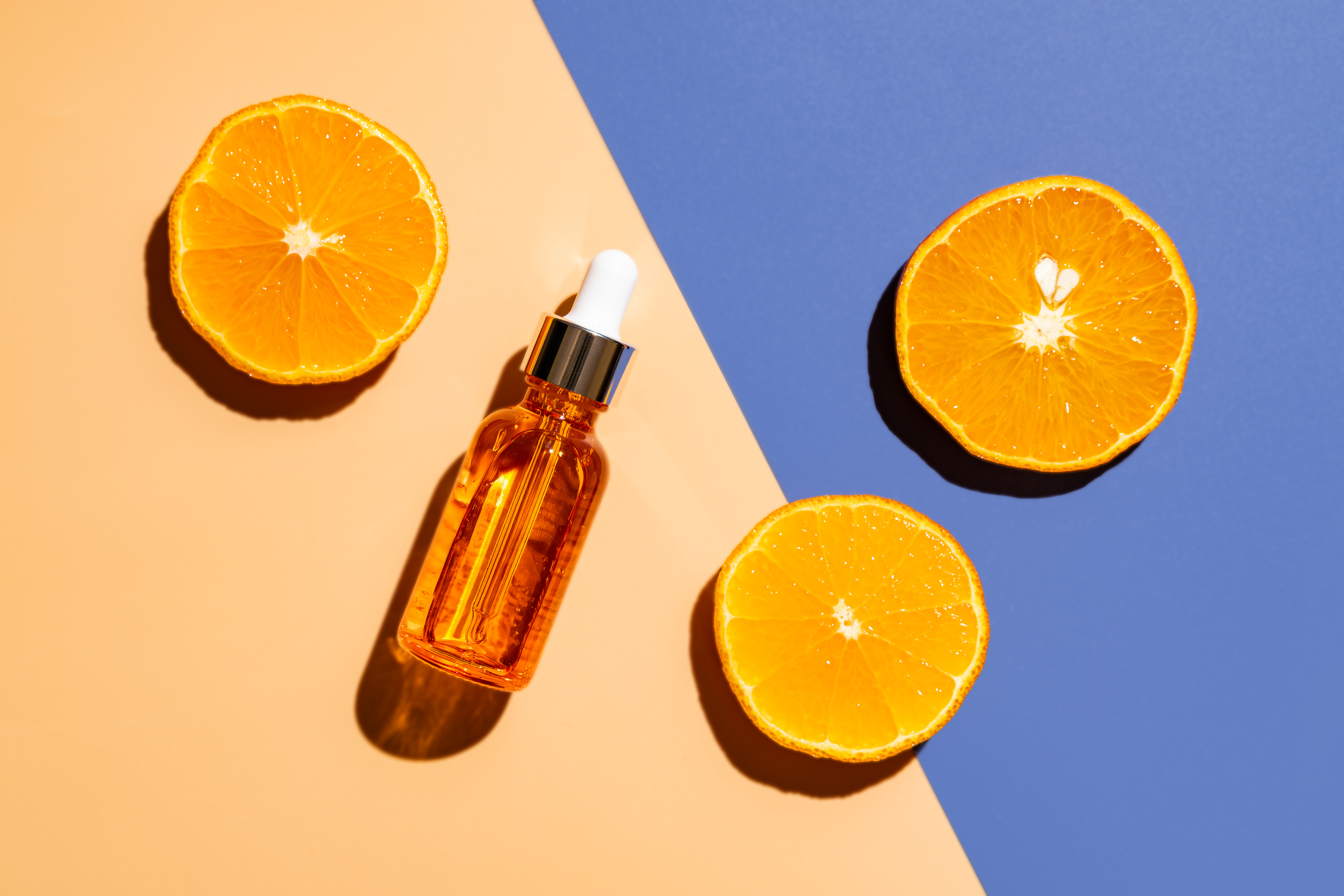
As with any significant addition to your skincare regimen, consistency matters more than perfection. Start with a quality serum appropriate for your skin type, apply it faithfully each morning under sunscreen, and give it time to work. Within weeks, you'll likely notice the glow that keeps devotees coming back for decades. Your journey to brighter, firmer, more youthful skin might begin with a single drop of this golden elixir.