What Is Blue Light Facial Treatment? A Complete Guide to Blue Light Therapy for Skin
Your skin is under attack. Acne bacteria multiply beneath the surface. Precancerous lesions develop in plain sight. And most treatments either irritate, scar, or leave you guessing. Blue light facial treatment offers a different path — no needles, no harsh chemicals, no downtime. This guide explains exactly what it is, how it works, who it helps, and what results you can realistically expect. |
What Is Blue Light Facial Treatment?
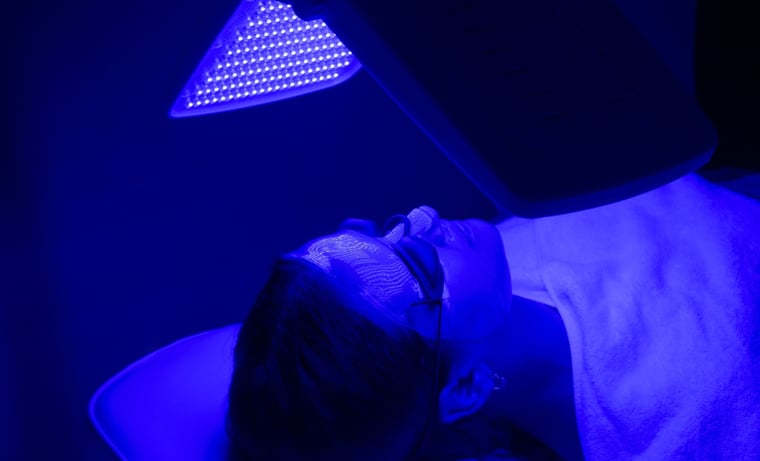
Blue light facial treatment is a non-invasive skin therapy that uses specific wavelengths of visible light — typically between 405 and 420 nanometers — to target bacteria, precancerous cells, and damaged tissue in the skin.
Unlike ultraviolet (UV) light, which damages DNA and accelerates skin aging, blue light sits in the visible spectrum. It penetrates the upper layers of the skin without burning or causing radiation damage. This makes it one of the safest options available in modern dermatology.
The treatment works by activating natural compounds already present in skin cells — particularly porphyrins inside acne-causing bacteria like Cutibacterium acnes — and triggering a chain reaction that destroys the target cells while leaving surrounding healthy tissue intact.
You may see it referred to as blue light therapy, light therapy for acne, or as part of photodynamic therapy (PDT). Each of these terms describes a closely related but sometimes distinct treatment approach — something we will clarify in detail below.
How Does Blue Light Therapy Work on Skin?
To understand blue light skin treatment, you need to understand what happens at the cellular level.
The Role of Porphyrins
Inside Cutibacterium acnes — the primary bacteria responsible for inflammatory acne — are molecules called porphyrins. These molecules are naturally photosensitive. When exposed to blue light at the right wavelength, they absorb the energy and produce reactive oxygen species (ROS).
Reactive oxygen species are highly unstable molecules that cause oxidative stress within bacterial cells. This stress destroys the bacteria from the inside out, without any antibiotic or topical medication required.
Targeting Sebaceous Glands
Blue light treatment also affects the sebaceous glands — the oil-producing structures beneath the skin surface. By reducing activity in these glands, blue light therapy decreases oil production, which is one of the root causes of acne formation.
The Mitochondria Connection
Research points to cytochrome c oxidase in the mitochondria as a primary chromophore — a molecule that absorbs light energy — for near-visible and visible light therapies. When blue light interacts with mitochondrial proteins in the electron transport chain, it can alter cellular metabolism and support the repair of damaged skin.
This is relevant not just for acne but for broader skin health, including inflammation reduction and improved skin texture.
Key Mechanism: Blue light activates porphyrins inside acne bacteria, producing reactive oxygen species that destroy the bacteria. Simultaneously, it reduces sebaceous gland activity to prevent future breakouts. |
Blue Light Therapy vs Photodynamic Therapy: What Is the Difference?
This is one of the most common points of confusion for people researching blue light treatment sessions.
Standard blue light therapy uses only the light itself. Photodynamic therapy (PDT) adds a photosensitizing agent — a topical medication applied to the skin before the light exposure — that dramatically increases the treatment's power.
Feature | Blue Light Therapy | Photodynamic Therapy (PDT) |
Photosensitizer Used | No | Yes (e.g., aminolevulinic acid) |
Treatment Duration | 15-30 minutes | 60-90 minutes total |
Best For | Mild to moderate acne | Severe acne, precancerous lesions, skin cancer |
Downtime | Minimal | 3-7 days skin sensitivity |
Post-Treatment Sensitivity | Low | High — avoid sun for 48-72 hours |
Number of Sessions | 4-8 sessions | 1-3 sessions |
Cost Per Session | Lower | Higher |
In photodynamic therapy, the applied photosensitizer is absorbed by abnormal or rapidly dividing cells — including precancerous skin cells and cancerous skin growths. When the blue light hits these cells, the photosensitizer amplifies the reactive oxygen species response, selectively destroying them.
Want to understand how different energy-based treatments compare? Read this overview of how radio frequency facial works for a side-by-side perspective.
What Skin Conditions Does Blue Light Facial Treatment Target?
1. Acne (Mild to Moderate)
Blue light therapy is most widely used to treat acne. The FDA has cleared blue light devices specifically for this purpose. It works on inflammatory acne — the red, pus-filled lesions — rather than blackheads or cystic acne.
Multiple studies confirm its effectiveness. A systematic review published in the Journal of the American Academy of Dermatology found blue light therapy produced significant reductions in acne lesion counts over 4-8 week treatment periods.
If hormonal acne is your concern, this article on how to treat hormonal acne outlines how light therapy fits into a broader treatment plan.
2. Precancerous Skin Lesions (Actinic Keratosis)
Actinic keratosis — rough, scaly patches caused by years of sun exposure — is classified as a precancerous condition. Left untreated, some lesions progress to squamous cell carcinoma.
Photodynamic therapy using blue light is one of the most effective treatments for actinic keratosis. The photosensitizing agent targets abnormal keratinocytes while leaving healthy skin cells intact. The treated area may appear red and peel over several days, but the results are often dramatic and lasting.
3. Non-Melanoma Skin Cancers
PDT with blue light is also used to treat certain types of skin cancer, particularly superficial basal cell carcinoma and early-stage squamous cell carcinoma. In these cases, your dermatology provider will design a treatment plan tailored to the type of skin cancer, lesion depth, and location.
It is important to emphasize: blue light therapy for skin cancer requires clinical oversight. This is not a cosmetic spa treatment for these conditions.
4. Rosacea and Inflammatory Skin Disorders
Some practitioners use blue light therapy to reduce redness and inflammation associated with rosacea and atopic dermatitis. Its anti-inflammatory properties — linked to effects on immune system modulation and cytochrome c activity — help calm reactive skin.
If rosacea is your primary concern, read this detailed resource on treating rosacea safely for professional guidance.
5. Sun-Damaged Skin and Hyperpigmentation
Blue light treatment helps address uneven skin tone and improve skin texture in patients with sun-damaged skin. When combined with LED light therapy and appropriate skincare, patients report visible improvement in tone and clarity.
For natural complementary approaches, explore this guide on reducing hyperpigmentation naturally.
What Happens During a Blue Light Treatment Session?
Here is a step-by-step breakdown of what to expect.
1. Consultation: Your dermatology provider evaluates your specific skin issues, skin type, and medical history. They determine whether standard blue light therapy or PDT is appropriate.
2. Skin Preparation: The treatment area is cleansed. In PDT, the photosensitizer is applied to the skin and left to absorb for 30-60 minutes before light exposure begins.
3. Light Exposure: You sit or lie still while the blue light device is positioned over the treated area. Sessions typically last 15-30 minutes for standard blue light, or longer for PDT.
4. Post-Treatment Care: Your provider gives aftercare instructions. Skin will be very sensitive to light for 24-48 hours after treatment — especially after PDT. Sunscreen and avoidance of bright light are mandatory.
5. Follow-Up Sessions: Most treatment plans involve multiple sessions spaced 1-2 weeks apart, depending on your response.
Never had a professional facial treatment before? This guide on what to expect at your first facial will ease your concerns.
How Effective Is Blue Light Therapy? What the Research Says
The effectiveness of blue light therapy varies based on the skin condition being treated, the device used, and how consistently treatment is applied.
Condition | Effectiveness | Evidence Level |
Mild to moderate acne | 60-76% lesion reduction | Strong — multiple RCTs |
Actinic keratosis (PDT) | 69-91% clearance | Very strong — FDA approved |
Superficial BCC (PDT) | 73-97% clearance | Strong clinical evidence |
Rosacea | Moderate improvement | Emerging — limited RCTs |
Hyperpigmentation | Mild to moderate | Adjunct — best combined |
For acne specifically, blue light therapy works best when combined with other treatments. A 2016 study found that combining blue and red light therapy produced better outcomes than either alone — red light addresses inflammation deeper in the skin while blue light targets bacteria at the surface level.
LED light therapy — which includes blue, red, and near-infrared wavelengths — is closely related. Read this full breakdown of LED light therapy benefits to understand how different wavelengths serve different purposes.
Side Effects of Blue Light Therapy: What You Need to Know
Blue light treatment is generally well-tolerated. But side effects do occur, and you should know what to watch for.
Common Side Effects
• Redness and swelling in the treated area (especially within 24 hours after PDT)
• Temporary dryness and peeling of treated skin
• Increased sensitivity to light — your skin will be very sensitive to sunlight for 24-72 hours
• Mild burning or stinging sensation during or after treatment
• Temporary darkening of treated areas before they heal
Rare or Serious Side Effects
• Blistering or crusting in high-intensity PDT sessions
• Allergic reaction to the photosensitizing agent
• Scarring (rare, linked to improper technique or post-care neglect)
• Photosensitivity lasting longer than expected — report this to your dermatology provider
After PDT: Do not go outdoors for at least 48 hours without full sun protection. The photosensitizer remains active in your skin. Exposure to bright light — even indoor lighting — can cause severe burns in the treated area. |
People with certain conditions — including porphyria, lupus, or active photosensitivity disorders — should not undergo blue light therapy. Those taking photosensitizing medications (certain antibiotics, diuretics, antifungals) must disclose this to their provider.
Who Is a Good Candidate for Blue Light Facial Treatment?
You may be a good candidate if you:
• Have mild to moderate inflammatory acne that has not responded to topical treatments
• Have been diagnosed with actinic keratosis and want a non-surgical option
• Prefer to avoid antibiotics or harsh prescription medications for acne
• Have sensitive skin that does not tolerate chemical peels or microdermabrasion
• Want to address sun-damaged skin with minimal downtime
You should avoid blue light treatment if you:
• Have a photosensitivity disorder or porphyria
• Are pregnant (PDT especially — photosensitizing agents carry risk)
• Take medications that increase light sensitivity
• Have a history of lupus or certain skin disorders that worsen with light exposure
• Have very dark skin tones (higher risk of post-inflammatory hyperpigmentation in some device types — discuss with your provider)
Not sure which treatment is right for your skin? This guide to choosing the best facial for your skin type offers a practical framework for making that decision.
Blue Light Therapy at a Clinic vs At-Home Devices
The market is flooded with at-home blue light devices. Here is how they compare to clinical treatments.
Factor | Clinical Blue Light Treatment | At-Home Device |
Light Intensity | High (medical grade) | Low to moderate |
Photosensitizer Option | Yes (PDT available) | No |
Treatment Speed | Faster, fewer sessions | Slower, requires daily use |
Supervision | Dermatologist or esthetician | Self-administered |
Best For | Moderate-severe acne, lesions | Mild acne maintenance |
FDA Clearance | Yes (multiple devices) | Some devices cleared |
Cost | Higher per session | Lower upfront, ongoing use |
At-home devices can be useful for maintenance after clinical treatments. They should not replace clinical care for precancerous skin lesions, cancerous skin growths, or moderate-to-severe acne.
Wondering how often professional treatments are needed? Read this resource on how often you should get a facial to plan your schedule.
How to Prepare for Your Blue Light Treatment Appointment
Preparation affects results. Follow these steps in the days before your photodynamic therapy appointment or standard blue light session.
1 Week Before
• Stop using retinoids, exfoliating acids, or any treatment that increases skin sensitivity
• Avoid prolonged sun exposure — sunburned or recently tanned skin increases risk of side effects
• Disclose all medications and supplements to your provider
Day of Treatment
• Arrive with clean skin — no makeup, moisturizer, or SPF on the treatment area
• Wear loose, comfortable clothing that allows easy access to the area being treated
• Arrange transportation home if you are having PDT (your skin will be very sensitive to light)
After Treatment
• Use only gentle, fragrance-free products on treated skin for at least one week
• Apply broad-spectrum SPF 30 or higher every day — without exception
• Do not pick at peeling or flaking skin in the treated area
• Avoid saunas, steam rooms, and hot showers for 48 hours
Choosing the right sunscreen post-treatment matters. This resource on choosing the right SPF for your skin type gives specific product guidance.
How Blue Light Treatment Compares to Other Facial Treatments
Blue Light Therapy vs Chemical Peel
A chemical peel uses acids to dissolve dead skin cells and stimulate collagen production. It is more aggressive than blue light therapy and involves more visible peeling and downtime. Chemical peels address a wider range of skin concerns but carry higher risk of irritation and hyperpigmentation in sensitive skin types.
Read this breakdown of chemical peel benefits and risks before making your choice.
Blue Light Therapy vs Microdermabrasion
Microdermabrasion physically exfoliates the skin surface. It does nothing to address bacteria inside pores or precancerous cells. For acne with a bacterial component, blue light therapy targets the root cause directly.
Compare the two in detail: microdermabrasion vs microneedling.
Blue Light Therapy vs Microcurrent Facial
Microcurrent facials use low-level electrical current to tone facial muscles and stimulate ATP production in cells. They focus on lifting, contouring, and anti-aging — not bacterial elimination or precancerous cell treatment. These are complementary treatments, not alternatives.
Learn more about what is a microcurrent facial and how it fits alongside blue light therapy.
Blue Light Therapy vs Photo Facial (IPL)
Photo facials use intense pulsed light (IPL), which covers a broader spectrum than blue light alone. IPL targets pigmentation, redness, and broken capillaries more effectively than blue light. Blue light therapy is more targeted for acne and precancerous lesions.
Get the full picture in this guide to what is a photo facial treatment.
Blue Light Therapy Benefits: A Summary Chart
Benefit | Mechanism | Who Benefits Most |
Acne reduction | Destroys Cutibacterium acnes via porphyrin activation | Teens and adults with inflammatory acne |
Sebum control | Reduces sebaceous gland activity | Oily skin types |
Precancerous lesion clearance | PDT selectively destroys atypical cells | Patients with actinic keratosis |
Skin texture improvement | Stimulates cellular repair via mitochondrial pathways | Sun-damaged skin |
Anti-inflammatory effect | Modulates immune response and cytokine activity | Rosacea and dermatitis |
Non-invasive treatment | No cuts, needles, or ablation | All skin types seeking low-risk option |
No systemic side effects | Localized light exposure only | Those avoiding oral medications |
What Results Can You Realistically Expect?
Managing expectations is part of every good treatment plan.
For Acne
Most patients see noticeable improvement after 4-6 sessions over a 3-4 week period. Research shows 60-76% reduction in acne lesion counts. Results are not permanent — ongoing maintenance sessions or a home care routine is required to sustain them.
For Precancerous Lesions
PDT for actinic keratosis produces the most dramatic outcomes. Clearance rates of 69-91% are reported in clinical literature. Multiple sessions may be needed for thicker or widespread lesions. Skin will look worse before it looks better — redness, peeling, and crusting are signs the treatment is working.
For Overall Skin Health
Patients consistently report improved skin texture, reduced pore size, and a clearer complexion after completing a full treatment plan. These improvements are cumulative — each session builds on the previous one.
For best results, pair blue light therapy with a consistent skincare routine. This guide to how to maintain facial results provides a practical post-treatment plan.
Finding the Right Provider for Blue Light Facial Treatment
Where you get your treatment matters as much as the treatment itself.
Esthetician vs Dermatologist
For standard blue light therapy focused on mild acne or cosmetic improvement, a licensed esthetician at a reputable skin care clinic can deliver excellent results. For photodynamic therapy — especially when treating precancerous skin or skin cancer — you need a board-certified dermatologist.
Not sure which professional you need? This guide on esthetician vs dermatologist clarifies the differences in scope, training, and when to see each.
Questions to Ask Before Your First Session
• What type of blue light device do you use, and is it FDA-cleared?
• Will I need a photosensitizing agent for my condition?
• How many sessions do you recommend for my specific skin issue?
• What aftercare will I need?
• Are there any medications or supplements I should stop before treatment?
If you are in Los Angeles, this guide to how to choose a facial treatment in Los Angeles offers local guidance on finding qualified providers.
Trusted External Resources
For clinical research on photodynamic therapy and acne, visit the American Academy of Dermatology's guide to light therapy.
For FDA-cleared device information and photodynamic therapy drug approvals, review the FDA's medical device database for light-based treatments.
For peer-reviewed clinical studies on the efficacy of blue light therapy, the National Library of Medicine's PubMed database contains hundreds of indexed studies.
Frequently Asked Questions About Blue Light Facial Treatment
How many sessions of blue light therapy do I need for acne?
Most treatment plans involve 4-8 sessions over 4-6 weeks. Mild acne may respond in fewer sessions. Severe or persistent acne may require more. Your provider will design a treatment plan based on your response after the first 2-3 sessions.
Does blue light therapy hurt?
Standard blue light therapy is painless for most patients. Some people experience mild warmth or tingling during the session. PDT is more intense — the combination of the photosensitizer and light can cause stinging or burning during and after exposure to blue light.
How long do results last?
For acne, results typically last 3-6 months before maintenance sessions are needed. For actinic keratosis cleared by PDT, results can last years, though new lesions may develop with continued sun exposure.
Can blue light therapy cause skin cancer?
No. Blue light sits in the visible spectrum — not UV. It does not damage DNA the way ultraviolet radiation does. There is no evidence that blue light therapy causes cancer. In fact, photodynamic therapy is used to prevent skin cancer and treat precancerous lesions.
Can I wear makeup after my treatment?
Avoid makeup for at least 24 hours after blue light therapy, and longer after PDT. Read this guide on can you wear makeup after a facial for specific post-treatment skincare guidance.
Is blue light therapy covered by insurance?
PDT for actinic keratosis and certain skin cancers is often covered by health insurance when prescribed by a dermatologist. Cosmetic blue light therapy for acne is typically not covered. Check with your provider and insurance company before booking.
Blue light facial treatment is not a one-size-fits-all solution. But for the right patient with the right condition, it offers something rare in skin care: a targeted, evidence-backed, non-invasive path to clearer and healthier skin. |
Explore More Skin Care Resources
Understanding your skin starts with the right knowledge. Browse these related articles:
What are the benefits of a facial treatment | What is a CO2 facial treatment | What is the best facial treatment for wrinkles
Skin care routine for Los Angeles climate | Vitamin C serum benefits | Mandelic acid vs glycolic acid
What is meristem extract | Saffron benefits for skin | Back acne causes and solutions
Oil-based vs water-based skincare products | ThermoClear treatment explained
The information in this article is for educational purposes. Always consult a licensed dermatology provider or esthetician before beginning any new skin treatment.