What Facial Treatment Is Best for Acne? Your Complete 2025 Guide
Acne affects more than 50 million Americans every year. Yet most people spend years cycling through products that never fully work. The real question is not which cleanser to buy — it is which professional facial treatment will actually clear your skin. In this guide, you will learn exactly what facial treatment is best for acne, based on your skin type, acne severity, and budget. No fluff. No vague advice. Just clear, actionable answers. |
1. Why Professional Facial Treatments Beat At-Home Products
Over-the-counter products sit on the surface. Professional treatments go deeper. They target clogged pores, bacteria, excess sebum, and post-acne marks — all in one session.
Here is what professional facial treatments do that your cleanser cannot:
• Deep extraction: Removes blackheads and whiteheads without scarring
• Controlled exfoliation: Eliminates dead skin cells that block pores
• Targeted energy: LED light and radio frequency kill acne bacteria beneath the skin
• Regulated sebum: Reduces oil production at the source
• Scar repair: Stimulates collagen to fade post-acne marks
Quick Tip If you are new to professional skincare, read this guide on what to expect during your first facial before booking any treatment. |
2. What Facial Treatment Is Best for Acne — The Top 7 Options
Not every treatment works for every skin type. Below is a full breakdown of the seven best facial treatments for acne-prone skin in 2025.
2.1 Chemical Peels — Best for Moderate Acne and Hyperpigmentation
Chemical peels apply an acid solution to the skin. The outer layer peels away, revealing fresher skin beneath. This process unclogs pores, reduces active breakouts, and fades dark spots left by past acne.
The most common acids used for acne include:
• Salicylic acid (BHA): Penetrates oil-filled pores; best for blackheads and whiteheads
• Glycolic acid (AHA): Resurfaces skin texture; great for post-acne marks
• Mandelic acid: Gentler option for sensitive or darker skin tones
Peel Type | Best For | Downtime | Sessions Needed |
Superficial (light) | Mild acne, glow boost | None–1 day | 4–6 sessions |
Medium depth | Moderate acne, scars | 3–5 days | 2–3 sessions |
Deep peel | Severe scarring | 7–14 days | 1 session |
Learn more about the full chemical peel benefits and risks before your appointment.
2.2 LED Light Therapy — Best for Inflammatory Acne and Redness
LED light therapy uses specific wavelengths of light to penetrate the skin at different depths. For acne, two wavelengths are most important:
• Blue light (415nm): Kills Cutibacterium acnes, the bacteria that cause inflammatory pimples
• Red light (630–660nm): Reduces inflammation and speeds healing of active breakouts
There is no downtime. You can go back to your normal routine the same day. Most people see a clear reduction in active breakouts after four to six weekly sessions.
Why This Works Blue light destroys the bacteria inside the pore. Red light calms the immune response that causes redness and swelling. Together, they address two root causes of acne in a single session. Read the full breakdown of LED light therapy benefits here. |
2.3 Microdermabrasion — Best for Clogged Pores and Dull Skin
Microdermabrasion uses a device that physically exfoliates the skin's surface using fine crystals or a diamond tip. It removes the dead skin layer that blocks pores and causes breakouts.
What makes microdermabrasion a good acne treatment:
1. It clears away the buildup that leads to blackheads and non-inflammatory acne
2. It improves skin texture and reduces mild acne scars over time
3. It preps the skin to absorb anti-acne serums more effectively
Wondering how it compares to needling? Check out this microdermabrasion vs microneedling comparison.
2.4 Microneedling — Best for Acne Scars and Textured Skin
Microneedling creates micro-channels in the skin using tiny needles. This triggers the body's collagen repair process. For acne sufferers, this means:
• Smoother skin texture where acne has left pits or indentations
• Reduced appearance of rolling and boxcar scars
• Tighter, more even skin tone overall
Concern | Microneedling Effective? | Sessions Recommended |
Active breakouts | Not ideal — wait until clear | N/A |
Rolling acne scars | Yes — highly effective | 3–6 sessions |
Boxcar scars | Yes — moderate improvement | 4–6 sessions |
Post-acne redness | Yes — combined with LED | 3–4 sessions |
Enlarged pores | Yes | 2–4 sessions |
2.5 Radio Frequency Facial — Best for Oily Skin and Deep-Set Acne
Radio frequency (RF) facials use energy waves to heat the deeper layers of skin. The heat kills bacteria, shrinks enlarged pores, and stimulates collagen without damaging the outer layer.
RF treatment is particularly well-suited for:
• Oily, thick skin prone to deep cystic breakouts
• Adults with hormonal acne along the jawline
• Anyone looking to tighten skin while treating acne simultaneously
Get the full picture in this resource on how radio frequency facial works.
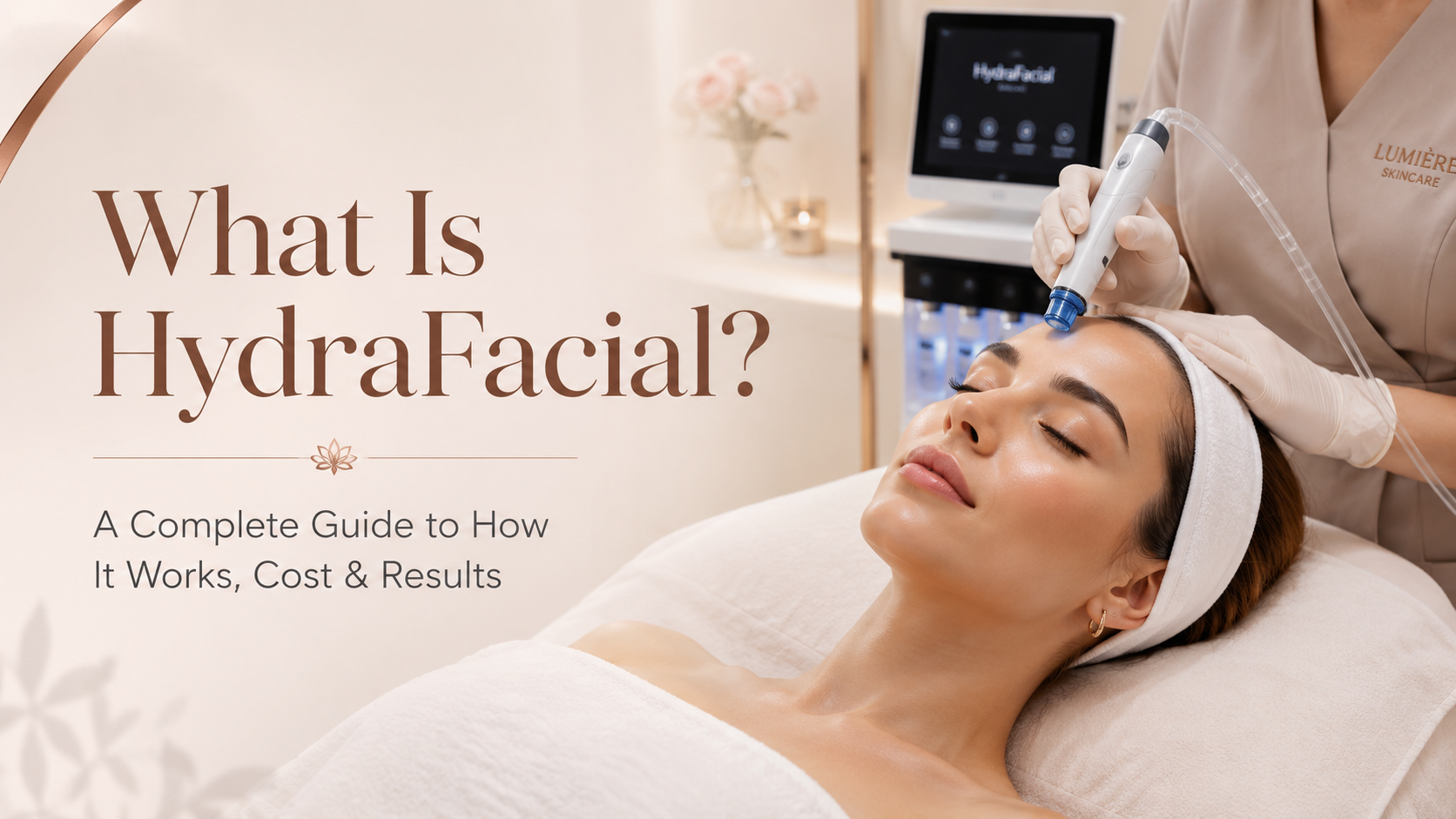
2.6 HydraFacial — Best for Sensitive Acne-Prone Skin
HydraFacial is a multi-step treatment that cleanses, exfoliates, extracts, and infuses the skin with serums in one session. It is one of the most popular acne facials because it works for almost all skin types — including sensitive skin that reacts to harsher treatments.
The three key steps for acne-prone skin:
4. Cleanse + exfoliate: Removes dead skin cells and surface debris
5. Extract + hydrate: Vacuums out blackheads while infusing hyaluronic acid
6. Fuse + protect: Applies targeted anti-acne peptides and antioxidants
2.7 Thermoclear Treatment — Best for Surface Breakouts and Milia
Thermoclear uses high-frequency current to treat superficial skin concerns. It targets whiteheads, milia, and sebaceous hyperplasia — bumps that are often confused with acne.
See how it works in this detailed Thermoclear treatment explainer.
3. Side-by-Side Comparison: What Facial Treatment Is Best for Acne?
Use this table to find the right treatment for your specific concern.
Treatment | Acne Type | Downtime | Pain Level | Cost Range (Per Session) | Sessions to See Results |
Chemical Peel | Moderate–Severe | 0–5 days | Mild | $80–$250 | 2–6 |
LED Light Therapy | Inflammatory | None | None | $50–$150 | 4–8 |
Microdermabrasion | Mild–Moderate | None | None | $75–$200 | 4–6 |
Microneedling | Scars | 1–3 days | Mild | $150–$400 | 3–6 |
Radio Frequency | Cystic/Deep | None–1 day | Mild | $150–$350 | 3–5 |
HydraFacial | All types | None | None | $150–$300 | Monthly |
Thermoclear | Surface/Milia | None | Mild | $50–$150 | 1–3 |
4. Match the Treatment to Your Acne Type
Not all acne looks the same. Choosing the right treatment starts with identifying what type you have.
Blackheads and Whiteheads (Non-Inflammatory Acne) These form when dead skin and oil clog pores. The best treatments are: • Chemical peel (salicylic acid): Dissolves the plug inside the pore • Microdermabrasion: Buffs away the surface layer causing blockage • HydraFacial: Extracts and hydrates simultaneously |
Papules and Pustules (Inflammatory Acne) These are the classic red, pus-filled pimples. Best treatments: • LED blue light: Kills the bacteria driving the inflammation • Chemical peel: Clears the source and fades marks at the same time • HydraFacial with anti-acne boosters: Soothes while clearing |
Cystic and Nodular Acne (Deep, Painful) These are deep, painful lumps under the skin. They rarely respond to surface treatments. Best options: • Radio frequency facial: Reaches deep layers where cysts form • LED red light (anti-inflammatory): Reduces swelling and pain • Consultation with a dermatologist or esthetician: May need prescription support alongside facials |
Acne Scars and Dark Marks (Post-Acne) Once acne clears, the marks stay. Best treatments for scars: • Microneedling: Rebuilds collagen in pitted scars • Chemical peel (glycolic or mandelic acid): Fades hyperpigmentation • Microdermabrasion: Resurfaces texture over multiple sessions |
5. Hormonal Acne: Does It Need a Different Approach?
Hormonal acne is a specific pattern. It shows up along the jawline, chin, and lower cheeks. It often flares before menstruation. Standard anti-acne products rarely solve it because the root cause is internal.
Professional treatments that help hormonal acne:
• Radio frequency facial: Reduces oil from sebaceous glands that hormones overstimulate
• LED light therapy: Calms the inflammatory response triggered by hormonal shifts
• Chemical peels: Clears the skin between hormonal flares
Read the full guide on how to treat hormonal acne to understand the root cause before choosing a treatment.
External research also confirms this: according to the American Academy of Dermatology, hormonal acne in adults over 25 has specific triggers that require targeted treatment strategies — not just topical products.
6. Esthetician vs. Dermatologist: Who Should Treat Your Acne?
This is one of the most common questions people ask before booking. The answer depends on your acne severity.
Factor | Esthetician | Dermatologist |
Mild to moderate acne | Excellent choice | Can help but may be overqualified |
Cystic / severe acne | Supportive role | Primary provider |
Acne scars and texture | Excellent for facials and peels | Can prescribe stronger options |
Prescription access | No | Yes |
Holistic skin approach | Strong focus | Medical focus |
Cost | Lower | Higher |
Still unsure? This comparison of esthetician vs dermatologist breaks down exactly when you need which professional.
7. How Often Should You Get a Facial for Acne?
Consistency matters more than any single session. Here is a general schedule based on acne severity:
Acne Severity | Recommended Frequency | Treatment Type |
Mild (occasional breakouts) | Once a month | HydraFacial or light peel |
Moderate (regular breakouts) | Every 2–3 weeks initially | LED + chemical peel |
Severe (constant breakouts) | Weekly for 4–6 weeks | LED + RF + medical support |
Post-acne maintenance | Every 4–6 weeks | Microdermabrasion or peel |
For a full breakdown with professional insight, read how often should you get a facial.
8. The Role of Skincare Ingredients in Supporting Your Treatment
Professional treatments work best when your at-home routine supports them. Here are the key ingredients to look for:
Vitamin C Serum
Vitamin C neutralizes the free radicals that worsen acne inflammation. It also fades post-acne hyperpigmentation. Learn more about vitamin C serum benefits for acne-prone skin.
Mandelic Acid vs. Glycolic Acid
Both acids exfoliate, but mandelic acid is gentler and better for darker skin tones prone to post-acne marks. Read this mandelic acid vs glycolic acid comparison to choose the right one for your skin.
Meristem Extract
A newer ingredient derived from plant stem cells, meristem extract helps calm irritated skin and reduce the visible effects of acne-related inflammation. Discover more in this guide on what is meristem extract.
Saffron for Skin
Saffron has antioxidant and anti-inflammatory properties that support skin recovery. Read about saffron benefits for skin and how it pairs with professional treatments.
9. Before and After Your Facial: What to Expect
Knowing what to do before and after your appointment protects your results.
Before Your Facial • Stop using retinoids and strong acids 3–5 days before your appointment • Avoid sun exposure and tanning for at least one week prior • Arrive with a clean face — no makeup or heavy moisturizers • Tell your esthetician about all medications, including topical prescriptions See the full what to expect at your first facial guide here. |
After Your Facial • Avoid makeup for at least 24 hours — learn more: can you wear makeup after a facial • Stay out of direct sun and apply SPF 30 or higher daily • Do not pick or squeeze any skin that is purging • Drink water and use a gentle moisturizer Get post-treatment care tips in how to maintain facial results. |
10. Can a Photo Facial or CO2 Facial Help Acne?
These are advanced options for people dealing with deep scarring or persistent skin texture issues.
Photo Facial (IPL)
Intense Pulsed Light (IPL) targets red and brown pigment in the skin. It reduces post-acne redness and dark spots in just a few sessions. Find out more about what is a photo facial treatment.
CO2 Facial
CO2 facials use carbon dioxide to deeply cleanse pores and oxygenate the skin. They can be useful for persistent comedones and dull, congested skin. Learn about what is a CO2 facial treatment.
11. SPF and Oil Type: Two Factors That Affect Acne Treatments
Your daily habits either support or sabotage your professional treatments. Two factors matter most.
Choosing the Right SPF
Sun exposure worsens post-acne hyperpigmentation. After any facial treatment, daily SPF is not optional. Use a non-comedogenic mineral sunscreen — not one that blocks pores.
Learn how to pick the right option in this guide on choosing the right SPF for your skin type.
Oil-Based vs. Water-Based Products
Acne-prone skin reacts differently to oil-based versus water-based products. Heavy oils can clog pores and undo your facial results.
Read the oil-based vs water-based products guide to know what to use after your treatment.
12. Back Acne: Do the Same Treatments Apply?
Back acne (bacne) shares many of the same causes as facial acne — clogged pores, bacteria, and excess oil. But the skin on your back is thicker and harder to treat with standard facials.
Treatments that work for back acne include:
• Chemical peels applied to the back
• LED light therapy on affected areas
• Body-specific exfoliation treatments
Read the full guide on back acne causes and solutions.
13. Treating Rosacea That Looks Like Acne
Rosacea is often confused with acne because both cause redness and bumps. The treatments are very different. Using the wrong acne treatment on rosacea can make it significantly worse.
Feature | Acne | Rosacea |
Primary cause | Bacteria + clogged pores | Vascular flushing + inflammation |
Common location | Forehead, nose, chin, back | Central face, cheeks, nose |
Response to salicylic acid | Positive | Often irritating |
Best professional treatment | Chemical peel, LED blue | LED red, gentle facials |
Sun sensitivity | Moderate | High |
If you are unsure which condition you have, read this detailed guide on treating rosacea safely and get evaluated by an esthetician before choosing a treatment.
14. What Facial Treatment Is Best for Acne in Los Angeles?
Climate matters. Los Angeles has a specific combination of sun exposure, heat, smog, and dry air that affects the skin differently than other cities.
In the LA climate, acne is often:
• Worsened by sun exposure triggering excess oil production
• Complicated by environmental pollution clogging pores daily
• Harder to manage without consistent professional treatment
Best Acne Treatments for the LA Climate • HydraFacial: Deeply cleanses pollution while hydrating — essential in LA • Chemical peel: Clears sun-triggered breakouts and hyperpigmentation • LED therapy: Keeps bacterial acne under control between deeper treatments See the skincare specifics in this skin care routine for Los Angeles climate guide. |
Ready to book? Learn how to choose a facial treatment in Los Angeles and find the right provider for your skin.
15. Frequently Asked Questions: What Facial Treatment Is Best for Acne?
Q: What is the most effective facial treatment for acne? A: It depends on your acne type. LED blue light therapy is best for active inflammatory acne. Chemical peels work best for moderate acne and dark marks. Microneedling is the top choice for acne scars. |
Q: How long before I see results from professional acne facials? A: Most people see improvement after 2–4 sessions. Severe acne and deep scarring may take 6+ sessions. Consistency matters far more than any single treatment. |
Q: Is a facial good for active acne? A: Yes — but the type matters. HydraFacial and LED therapy are safe for active acne. Aggressive treatments like deep peels or microneedling should wait until breakouts calm down. |
Q: Does microneedling help with acne? A: Microneedling is not ideal for active acne. It excels at treating acne scars after the skin has cleared. It rebuilds collagen in pitted areas and smooths texture over several sessions. |
Q: What facial is best for hormonal acne? A: Radio frequency facials and LED light therapy are the most effective for hormonal acne. They target the deep-seated inflammation and excess oil production that hormonal shifts cause. |
Q: Can I get a facial if I have sensitive acne-prone skin? A: Yes. HydraFacial is the best choice for sensitive skin. It cleanses and extracts without the irritation that stronger peels or physical exfoliants can cause. |
16. How to Find the Right Treatment for Your Skin Type
Your skin type shapes every decision. Read this guide on best facial for your skin type to match the right treatment to your specific needs.
Skin Type | Common Acne Pattern | Best Treatment | Avoid |
Oily | Blackheads, whiteheads, breakouts | Chemical peel, HydraFacial | Heavy oil-based serums |
Dry | Surface breakouts, flaking | HydraFacial, LED therapy | Aggressive peels |
Combination | T-zone breakouts | HydraFacial, mild peel | Over-exfoliation |
Sensitive | Redness, mild acne | LED therapy, HydraFacial | Microneedling while active |
Dark (Fitzpatrick IV–VI) | Post-acne hyperpigmentation | Mandelic peel, LED | Strong glycolic peels |
Final Thoughts: What Facial Treatment Is Best for Acne?
There is no single answer that works for everyone. But there is a right answer for you — based on your acne type, skin tone, sensitivity level, and goals.
Quick Decision Guide • Active inflammatory acne? Start with LED blue light therapy • Clogged pores and blackheads? Go with a chemical peel or HydraFacial • Acne scars and texture? Book microneedling or microdermabrasion • Deep cystic breakouts? Try radio frequency facial • Sensitive skin? HydraFacial is your safest bet • Hormonal jawline acne? Radio frequency and LED combination Want to learn about all the ways professional treatments benefit your skin? Read: what are the benefits of a facial treatment. For those considering anti-aging alongside acne treatment, check out: what is the best facial treatment for wrinkles. External resource: The National Institute of Arthritis and Musculoskeletal and Skin Diseases provides peer-reviewed guidance on acne treatment and when to seek professional care. |