
You just had a facial — your skin is glowing, your pores are clear, and your esthetician sent you home with golden advice. Then you step into a hot shower and undo half of it.
Millions of people invest in professional facial treatments every year, yet far too many unknowingly damage their freshly treated skin within hours simply by bathing the wrong way. Hot water, steam, harsh soaps, and rough towel rubbing can trigger inflammation, clog newly opened pores, and strip away the active serums your skin just absorbed. The solution is simpler than you think — and reading this guide means you will never make that mistake again. Here is everything you need to know about bathing safely after a facial treatment.
Can I Take a Bath After a Facial Treatment? The Direct Answer
The short answer is: yes — but with important conditions. Whether or not you can bathe after a facial treatment depends on three key factors: the type of facial you had, the temperature of the water, and how much time has passed since your appointment.
As a general rule, most professional estheticians recommend waiting at least 4 to 6 hours after a standard facial before taking a bath or shower. For more aggressive treatments like chemical peels, microneedling, or laser-adjacent therapies, the wait time can extend to 24 to 48 hours.
The Core Rule: Temperature Is Everything After any facial treatment, your skin barrier is temporarily more permeable and reactive. Hot water and steam cause vasodilation — widening of blood vessels — which increases redness, inflammation, and sensitivity. Always choose lukewarm or cool water for your first post-facial rinse, regardless of the treatment type. |
Why You Should Not Jump Into a Hot Bath After a Facial Treatment
Understanding the science behind the recommendation helps you take it seriously. Here is what happens to your skin in the hours following a professional facial treatment:
1. Your Skin Barrier Is Temporarily Compromised
During a facial, your esthetician removes dead skin cells, extracts congestion, and applies active ingredients that slightly disrupt the outermost layer of your skin. This is intentional — it allows serums and nutrients to penetrate more deeply. However, this also means your skin is more vulnerable than usual. Hot water strips the lipid barrier further, accelerating transepidermal water loss (TEWL) and leaving skin dehydrated.
2. Steam Reopens Pores — But Not in a Good Way
After extractions, your pores are freshly cleared and temporarily more open. Exposing them to steam — as you would in a hot bath or shower — can allow bacteria, soap residue, and environmental impurities to settle back inside. This works directly against the purpose of having the facial in the first place.
3. Heat Triggers Inflammation
Heat causes blood vessels to dilate, which increases redness and prolonged flushing. For clients who are prone to rosacea or visible capillaries, a hot bath after a facial can trigger a flare-up that takes days to resolve. Read our guide on treating rosacea safely to better understand how heat sensitivity affects vulnerable skin.
4. Active Ingredients Get Washed Away
Your esthetician applies carefully chosen serums — often containing ingredients like vitamin C, hyaluronic acid, peptides, or saffron extract — at the end of your facial. These need time to absorb fully. Bathing too soon washes them off the skin surface before they can complete their work. Learn more about vitamin C serum benefits and why absorption timing matters so much.
Can I Take a Bath After a Facial Treatment? A Treatment-by-Treatment Guide
Not all facials are created equal. The table below answers the bathing question specifically for every major facial type:
Facial Type | Wait Before Bathing | Water Temp Allowed | Key Reason |
Classic / European Facial | 4–6 hours | Lukewarm only | Active serums need absorption time |
Deep Cleansing / Acne Facial | 6–8 hours | Cool to lukewarm | Pores freshly cleared; avoid recontamination |
Chemical Peel (Superficial) | 12–24 hours | Cool only | Acid reaction continues for hours post-peel |
Chemical Peel (Medium/Deep) | 48–72 hours | Gentle rinse only | Skin actively peeling; extreme sensitivity |
Microdermabrasion | 8–12 hours | Lukewarm only | Micro-abrasion leaves skin raw and reactive |
Microneedling | 24–48 hours | Cool, gentle rinse | Micro-channels close over 24 hrs; infection risk |
Microcurrent Facial | 4–6 hours | Lukewarm only | Electrical stimulation needs settling time |
LED Light Therapy | 2–4 hours | Lukewarm acceptable | Non-invasive; shortest restriction window |
Radio Frequency Facial | 12–24 hours | Cool to lukewarm | Internal heat lingers; avoid adding surface heat |
CO2 Facial | 24–48 hours | Cool only | Carboxy gas effect continues post-treatment |
Photo Facial / IPL | 24–48 hours | Cool only | UV-adjacent energy leaves skin highly sensitized |
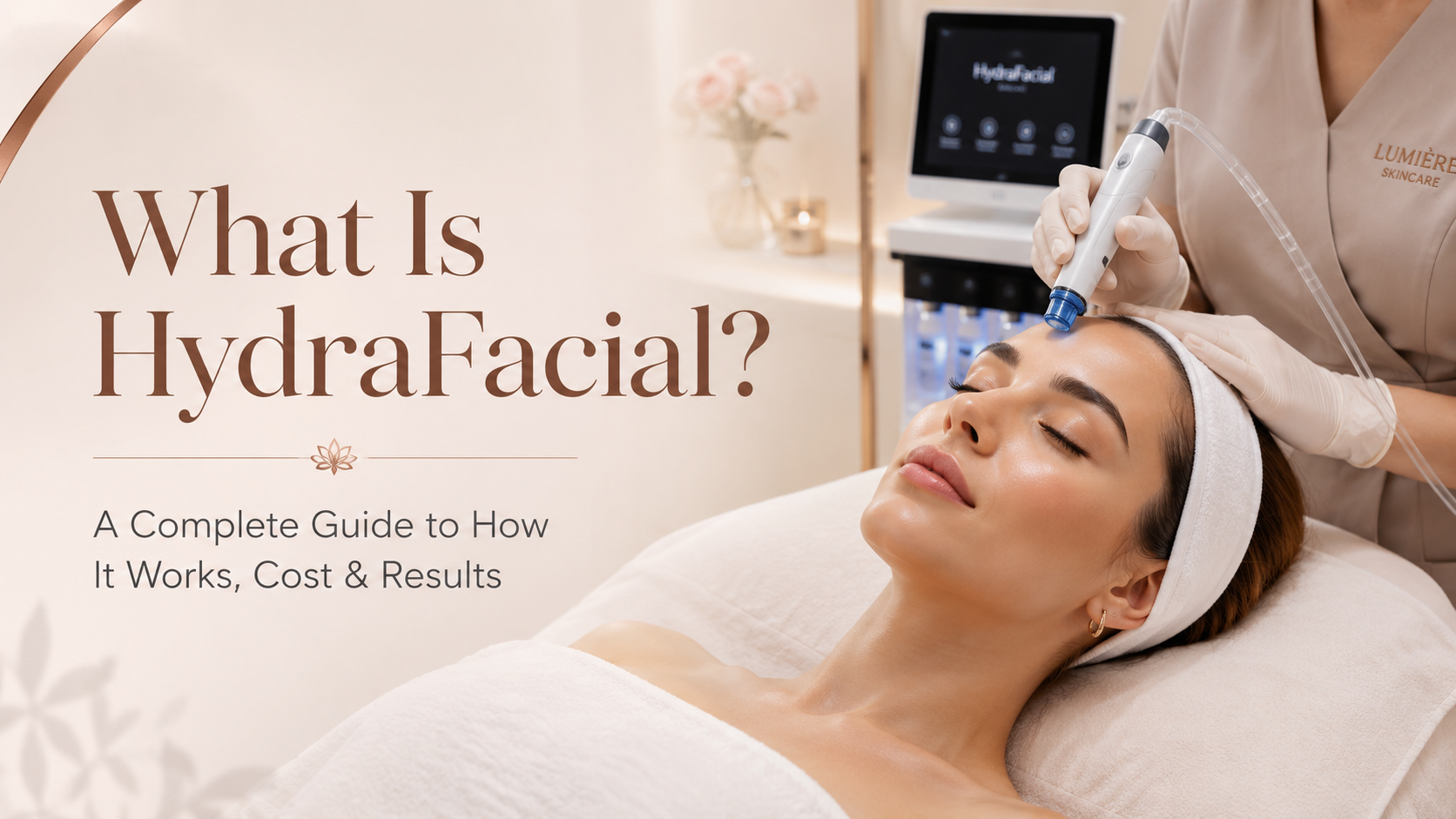
HydraFacial | 6–8 hours | Lukewarm only | Serums infused during treatment need time to set |
ThermalClear / Thermoclear | 12–24 hours | Cool only | Treated spots are healing micro-wounds |
Want to understand how different facial technologies work before making bathing decisions? Our guides on how a radio frequency facial works, what a microcurrent facial is, and LED light therapy benefits will help you make smarter post-care decisions.
Can I Take a Bath After a Facial Treatment — or Just a Shower?
This is a question many clients overlook. There is actually a meaningful difference between a bath and a shower after a facial treatment, and one is generally safer than the other.
Bath vs. Shower After a Facial: Key Differences
Factor | Bath | Shower |
Steam exposure | High — enclosed tub environment traps steam | Moderate — steam disperses more easily |
Temperature control | Harder to maintain consistently lukewarm | Easier to regulate with a handheld head |
Face contact with water | Face often submerged or splashed repeatedly | Can avoid face entirely with care |
Duration of exposure | Typically longer — 15 to 30 minutes | Shorter — easier to keep to 5 to 10 minutes |
Risk of irritation | Higher due to prolonged heat and moisture | Lower if kept brief and cool |
Overall recommendation | Wait at least 8–12 hours minimum | Wait 4–6 hours; keep it brief and lukewarm |
The key takeaway: a lukewarm shower is safer than a hot bath after a facial. If you prefer baths, consider a cooler-temperature soak and keep your face entirely out of the water. Never submerge your face or allow your head to linger in steam-heavy air within the first 12 hours.
What Is and Is Not Safe After a Facial Treatment
YES — Safe After a Facial | NO — Avoid After a Facial |
Cool or lukewarm water rinse (gentle) | Hot baths or showers within 12 hours |
Gentle, fragrance-free cleanser after 6–8 hrs | Steam rooms or saunas within 24–48 hours |
Applying SPF 30+ before going outdoors | Swimming pools (chlorine) within 24 hours |
Light moisturizer recommended by your esthetician | Exfoliating scrubs or harsh cleansers |
Cool compress if redness is present | Retinoids or strong acids post-peel within 48 hrs |
Brief lukewarm shower after 4–6 hours | Wearing makeup within first 12 hours |
Drinking plenty of water (internal hydration) | Vigorous exercise (sweating) within 24 hours |
Loose, breathable clothing to avoid friction | Facial waxing or hair removal within 48 hours |
Can I Take a Bath After a Facial Treatment if I Had a Chemical Peel?
Chemical peels deserve their own section because they carry the strictest post-care bathing rules of any facial treatment. When you receive a superficial, medium, or deep peel, the chemical exfoliation process does not stop the moment you leave the clinic — it continues for hours afterward.
Superficial Peels (Glycolic, Lactic, Mandelic Acid)
These lighter peels typically use alpha-hydroxy acids (AHAs) at lower concentrations. After a superficial peel, wait at least 12 to 24 hours before bathing. Use only cool water and skip all soaps on the face for the first day. Curious about which acid is best for your skin? Our comparison of mandelic acid vs glycolic acid explains the key differences.
Medium-Depth Peels (TCA)
TCA (trichloroacetic acid) peels penetrate into the mid-dermis and require a 48 to 72-hour wait before any bathing. During this period, the skin will begin to visibly peel or flake. Water must only be applied as a gentle cool rinse, not a full shower. Explore the full breakdown of chemical peel benefits and risks to understand exactly what your skin undergoes.
Deep Peels (Phenol)
Deep phenol peels are clinical-grade procedures often performed under sedation. Post-care is managed medically and bathing restrictions may extend 5 to 7 days. Your treating physician will provide specific instructions. Do not make bathing decisions independently after a deep peel.
Important: Avoid These Entirely After a Chemical Peel Do not pick or scratch peeling skin — it causes scarring. Do not apply retinol, benzoyl peroxide, or exfoliating acids for at least 5 to 7 days post-peel. Never use bar soaps with high pH on treated skin. Always apply broad-spectrum SPF 30+ before any sun exposure — see our guide on choosing the right SPF for your skin type. |
Can I Take a Bath After a Facial Treatment if I Had Microneedling?
Microneedling is one of the most misunderstood treatments when it comes to post-care bathing. The procedure creates thousands of tiny micro-channels in the skin to stimulate collagen production. These micro-channels remain open for up to 24 hours post-treatment — making skin uniquely vulnerable to contamination from water, bath products, and bacteria.
Here is the microneedling bathing timeline:
1. First 4 hours: No water contact on the face at all — not even a splash
2. Hours 4–24: A gentle cool water rinse is acceptable if absolutely necessary
3. Hours 24–48: Brief lukewarm shower is safe; avoid direct strong water pressure on the face
4. 48+ hours: Normal cleansing with a gentle, pH-balanced cleanser can resume
For a detailed comparison of how microneedling differs from other skin resurfacing options, read our guide on microdermabrasion vs microneedling. The post-care protocols differ significantly between the two.
How to Bathe Safely After a Facial Treatment: Step-by-Step
Once the appropriate wait time has passed for your specific facial type, follow these steps to bathe without compromising your results:
5. Lower the water temperature: Aim for lukewarm — around 33 to 36 degrees Celsius. Never hot.
6. Protect your face: Use a soft headband to keep your face dry during the initial rinse of your body.
7. Avoid steam: Keep the bathroom door slightly open to reduce steam accumulation.
8. Skip the face wash in the shower: Instead, cleanse your face separately at the sink with a gentle, fragrance-free cleanser and cool water.
9. Pat — never rub: After rinsing your face, gently pat dry with a clean, soft cloth. Rubbing causes micro-friction on sensitized skin.
10. Reapply moisturizer immediately: Within 60 seconds of patting dry, apply a gentle, esthetician-approved moisturizer to lock in hydration.
11. Skip the exfoliating body scrubs: Even though your focus is the face, harsh bath products can affect adjacent neck and chest skin that may have been treated.
12. Apply SPF before leaving the bathroom if you are going outdoors: This is non-negotiable post any facial treatment. Our guide on choosing the right SPF for your skin type will help you find the best formula.
Post-Facial Bathing and Your Skin Type: Does It Change the Rules?
Your baseline skin type does influence how sensitive your skin will be post-facial and how carefully you need to follow bathing guidelines.
Skin Type | Post-Facial Sensitivity Level | Bathing Wait Time | Special Considerations |
Dry / Dehydrated | High | 6–8 hours minimum | Avoid any soap on face for 24 hrs; focus on hydration |
Oily / Acne-Prone | Moderate to High | 6–8 hours | Cool water helps close pores; avoid heat-triggered sebum |
Sensitive / Reactive | Very High | 8–12 hours minimum | Skip scented products entirely for 48 hrs post-facial |
Combination | Moderate | 4–6 hours | Treat T-zone with caution; cheeks more susceptible |
Mature / Aging | High | 6–8 hours | Collagen is actively stimulated; heat disrupts the process |
Normal | Low to Moderate | 4–6 hours | Follow standard guidelines; resume routine after 24 hrs |
Not sure which facial is best for your skin type in the first place? Our detailed guide on the best facial for your skin type matches you with the right treatment before you even walk through the clinic door.
What About Bathing After a Facial Treatment When You Have Acne?
If you had a facial specifically targeting acne — whether a deep-cleansing treatment, a salicylic acid peel, or LED blue light therapy — post-bath hygiene becomes even more critical. Acne-prone skin is inherently more susceptible to bacterial recontamination, and bathing with the wrong water temperature or products can trigger new breakouts within 24 to 48 hours of your treatment.
Post-Facial Bathing Rules for Acne-Prone Skin • Use only a gentle, non-comedogenic cleanser rated for sensitive or acne-prone skin • Rinse with cool water — never hot — to keep pores tightened post-extraction • Change your pillowcase before sleeping post-facial to avoid bacteriatransfer during the night • Avoid touching your face during or after bathing — finger bacteria transfer is a leading cause of post-facial breakouts • Skip body washes with fragrance, sulfates, or comedogenic ingredients anywhere near the face and neck • For hormonal acne specifically, read our expert guide on how to treat hormonal acne alongside your post-facial routine |
Post-facial care for acne is closely connected to your ongoing routine. Explore our guide on how to treat hormonal acne to build a comprehensive approach that extends the benefits of every treatment you receive.
Can I Take a Bath After a Facial Treatment and Still Wear Makeup Afterward?
Two of the most common post-facial questions are often connected: bathing and makeup. The rules for both share the same foundational logic — your freshly treated skin needs time to stabilize before you introduce any products, heat, or friction.
As a general rule, do not wear makeup for at least 12 hours after a standard facial, and 24 to 48 hours after more intensive treatments. Bathing with makeup on — or applying makeup immediately after bathing post-facial — compounds the problem by mixing product residue with open pores and sensitized skin.
For a complete breakdown of what is and is not acceptable to put on your skin post-facial, read our guide on can you wear makeup after a facial. It covers which products are safe, which are not, and exactly when to reintroduce each one.
Long-Term Strategy: Maintaining Your Facial Results Beyond the Bathing Window
The 24 to 48 hours after your facial are the most critical window — but maintaining results long-term requires a consistent home routine. How you cleanse, bathe, hydrate, and protect your skin every single day determines how long each facial's benefits last.
Build a Smart Daily Cleansing Routine
Switch to a pH-balanced, fragrance-free cleanser as your permanent daily driver. Harsh bar soaps and foaming cleansers with sulfates disrupt the skin barrier that your facial just strengthened. Our guide on oil-based vs water-based products helps you understand which cleansing approach suits your skin type.
Use Ingredients That Extend Facial Results
Between appointments, support your skin with targeted actives. Vitamin C brightens and protects. Saffron calms and evens tone. Meristem extract repairs and regenerates. Our ingredient guides cover the science:
• Vitamin C serum benefits — brighten and protect daily
• Saffron benefits for skin — reduce inflammation between sessions
• What meristem extract is — plant stem cell repair technology
Commit to SPF Every Single Day
Sun exposure is the single greatest enemy of facial treatment results. UV rays undo hyperpigmentation correction, break down collagen stimulated by microneedling, and accelerate the very aging your anti-wrinkle facial just addressed. Discover how to choose the right SPF for your skin type and make it a non-negotiable daily step regardless of the weather.
Schedule the Right Frequency of Treatments
Post-facial bathing matters — but so does maintaining a consistent treatment schedule. Too little frequency and results fade; too much and you over-strip the skin. Our guide on how often you should get a facial helps you find the ideal interval for your skin type, age, and treatment goals.
Your Complete Post-Facial Results Maintenance Checklist • Wait 4–48 hours before bathing (based on your treatment type) • Use only lukewarm or cool water on your face for the first 24 hours • Skip makeup for at least 12 hours post-facial • Apply SPF 30+ every morning without exception • Cleanse twice daily with a gentle, pH-balanced, fragrance-free cleanser • Moisturize within 60 seconds of every face wash • Avoid saunas, steam rooms, and vigorous exercise for 24 to 48 hours • Reintroduce retinoids and strong acids only after 5 to 7 days • Follow up with a maintenance facial every 4 to 6 weeks • Read our full guide on how to maintain facial results for a complete at-home plan |
For more, explore our comprehensive guide on how to maintain facial results — it covers everything from product layering to sleep hygiene and seasonal adjustments.
Los Angeles Clients: Can I Take a Bath After a Facial Treatment in a Dry Climate?
If you live in or around Los Angeles, the local climate adds an extra dimension to your post-facial bathing decisions. Southern California's famously dry, sun-intense environment means that skin loses moisture faster than in humid climates — making post-treatment hydration and bathing temperature even more critical.
After a facial in an LA clinic, apply a hydrating mist or serum immediately upon leaving the clinic to combat immediate moisture loss from the dry air. At home, keep your post-facial bath or shower short, cool, and immediately followed by moisturizer. Read our tailored guide on the skin care routine for the Los Angeles climate to build a complete post-facial home routine that accounts for your environment.
Looking for the right clinic in the area? Our guide on how to choose a facial treatment in Los Angeles walks you through what to look for in an LA esthetician and which treatments are most popular for Southern California skin concerns.
Special Skin Conditions and Post-Facial Bathing
Rosacea
Clients with rosacea must be especially cautious about bathing after any facial treatment. Heat-induced flushing — even from a moderately warm bath — can trigger a rosacea flare that takes days to subside. Always use cool water, skip any scented bath products, and speak with your esthetician before your appointment about your condition. Learn more about treating rosacea safely.
Hyperpigmentation
Post-inflammatory hyperpigmentation (PIH) can worsen if treated skin is exposed to heat or friction too soon after a brightening facial or peel. Keep water cool, skip any rubbing, and apply SPF rigorously. Our guide on reducing hyperpigmentation naturally offers complementary home strategies.
Back Acne
If your facial treatment extended to your back or included a body component, apply the same bathing rules: cool water, gentle soap-free cleanser, and a light moisturizer. Back skin is typically less sensitive than facial skin but still benefits from a careful 6 to 8-hour post-treatment window. Read our guide on back acne causes and solutions for more context.
Does Who Performs Your Facial Affect Post-Bathing Guidelines?
Yes — and this is an often overlooked point. The professional who delivers your facial determines both the depth of the treatment and the rigor of the post-care protocol.
A licensed esthetician typically performs wellness-focused, less-invasive facials where standard 4 to 8-hour bathing restrictions apply. A dermatologist or medical aesthetician performing clinical-grade chemical peels, laser treatments, or deep microneedling will issue more stringent bathing guidelines — sometimes extending restrictions to 72 hours or more.
Understanding the difference is important before you book. Read our comparison of esthetician vs dermatologist to understand which professional suits your treatment goals and what level of post-care commitment each type of service requires.
Further Reading: Trusted External Skincare Resources
For medically reviewed skincare information, we recommend these authoritative sources:
• American Academy of Dermatology: Skin Care After a Cosmetic Procedure — Expert guidance from board-certified dermatologists on post-procedure care, including bathing, sun protection, and product safety.
• Healthline: What to Expect After a Chemical Peel — A medically reviewed guide covering recovery timelines, bathing restrictions, and what your skin goes through post-peel.
• National Eczema Association: Bathing and Moisturizing Sensitive Skin — Practical bathing guidance for reactive and sensitive skin that applies directly to post-facial care protocols.
Frequently Asked Questions: Can I Take a Bath After a Facial Treatment?
Q: Can I take a bath after a facial treatment the same evening?
It depends on when your appointment was and what type of facial you had. For a standard classic facial in the morning, a lukewarm bath in the evening (6 to 8 hours later) is generally acceptable. For any peel, microneedling, or intensive treatment, wait until the following day at the earliest and keep it cool.
Q: Can I wash my hair after a facial treatment?
Yes, but use caution. Avoid leaning forward and letting shampoo or conditioner drip onto your face. Rinse your hair with your head tilted back and use cool or lukewarm water. Avoid hot steam in an enclosed shower for at least 8 to 12 hours.
Q: Is it okay to use bath salts or bath bombs after a facial?
Not within the first 24 hours. Bath salts, bath bombs, and bath oils often contain fragrances, colorants, and chemical additives that can irritate sensitized skin. Wait at least 24 hours and keep the product away from your face entirely even then.
Q: Can I go swimming after a facial treatment?
No — not for at least 24 to 48 hours. Swimming pool water contains chlorine, which is a strong chemical irritant that will strip your skin barrier, dry out treated areas, and may cause significant stinging or redness on post-facial skin.
Q: What if I accidentally took a hot shower right after my facial?
Do not panic. Rinse your face immediately with cool water to reduce heat-induced vasodilation. Apply a gentle, fragrance-free moisturizer. Avoid makeup for the rest of the day and check in with your esthetician if you notice unusual redness or breakouts in the following 48 hours.
Q: How do I know what kind of facial I had and what the rules are?
Your esthetician should provide written post-care instructions at the end of your appointment. If you are unsure, our guides on what to expect at your first facial and what are the benefits of a facial treatment will give you a strong foundation for understanding your treatment.
Respect the Process, Protect Your Results
So — can you take a bath after a facial treatment? Yes, absolutely — but the timing, temperature, and approach matter enormously. The hours immediately after your facial are when your skin is doing its most important work: absorbing actives, closing pores, building collagen, and restoring its barrier. A poorly timed hot bath can unravel that work faster than almost anything else.
Follow the treatment-specific guidelines in this article, listen to your esthetician's post-care instructions, and treat your skin with the same care it receives on the treatment table. Whether you had a gentle European facial or an intensive chemical peel, the commitment you make in the hours and days after your appointment determines how powerful and how lasting your results will be.
Ready to go deeper? Explore our guides on the best facial for your skin type, what the best facial treatment for wrinkles is, and what a photo facial treatment involves — and take the guesswork out of your next appointment.