What Facial Treatment Is Best for Acne? A Skin-Type Guide
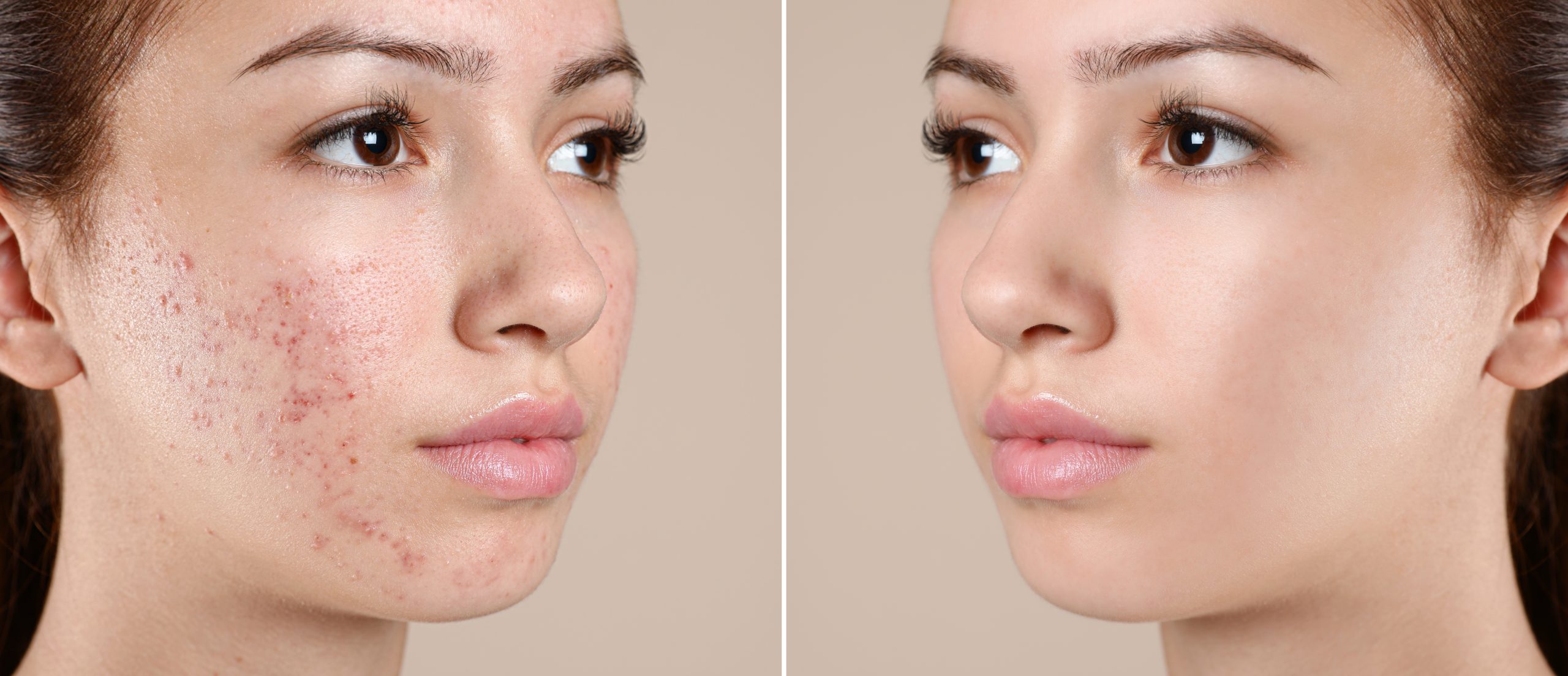
Acne is not just a teenage problem. It affects 85% of people at some point in their lives. Most people try product after product and see little change. The issue is not effort. It is using the wrong approach for the wrong type of acne on the wrong skin. Professional facial treatments for acne go deeper than any cleanser or spot treatment. They work at the source. This guide tells you exactly what facial treatment is best for acne based on your acne type, skin condition, and goals, so you stop guessing and start clearing. |
Why Topical Products Alone Do Not Clear Acne
You wash twice a day. You use salicylic acid. You switch products every few months. And your skin still breaks out.
This is the acne trap most people fall into. Over-the-counter products treat the surface. But acne forms deep inside the follicle, where products rarely penetrate at the concentration needed to make a real difference.
Professional acne facial treatments use medical-grade ingredients, extraction tools, and targeted technology that reach the source of breakouts. They also address the aftermath: post-acne marks, enlarged pores, and uneven texture.
What professional acne facials do that home care cannot: • Extract congestion safely without causing scarring or spreading bacteria • Deliver active acids at clinical concentrations directly into the follicle • Kill acne-causing bacteria with targeted blue LED light • Reduce sebum production over time through consistent treatment • Fade post-acne hyperpigmentation with brightening and exfoliating protocols • Assess your skin live and customize the treatment to your breakout pattern that day |
Before booking anything, understanding what a professional skin session involves will help you prepare. Read this guide on what to expect at your first facial so you walk in knowing exactly what will happen.
Understanding Your Acne Type Before Choosing a Treatment
Not all acne is the same. The treatment that clears comedonal acne will not necessarily help with cystic acne. Choosing the wrong facial can make some types worse.
Acne Types and Their Key Characteristics
Acne Type | What It Looks Like | Root Cause | Severity |
Comedonal (blackheads / whiteheads) | Clogged pores, no inflammation | Excess sebum and dead cells | Mild |
Papular acne | Small red raised bumps | Bacterial infection in follicle | Mild to moderate |
Pustular acne | Red bumps with white/yellow center | Pus from immune response | Moderate |
Nodular acne | Deep, hard, painful lumps under skin | Deep follicle blockage and infection | Moderate to severe |
Cystic acne | Large, fluid-filled cysts, highly inflamed | Severe bacterial infection, hormonal | Severe |
Hormonal acne | Jawline, chin, lower cheeks | Androgen fluctuation, oil overproduction | Moderate to severe |
Post-acne marks (PIH) | Flat dark spots after breakout heals | Melanin response to inflammation | Not active acne |
Hormonal acne is one of the most persistent and misunderstood types. It needs a specific treatment approach. Read this detailed guide on how to treat hormonal acne before booking a facial, especially if your breakouts cluster around your chin and jaw.
What Facial Treatment Is Best for Acne? The Top Options Compared
The best facial treatment for acne depends on the type of acne you have, how sensitive your skin is, and how much downtime you can handle. Here are the treatments with the strongest track records.
1. Classic Acne Facial
A classic acne facial is the starting point for most people dealing with breakouts. It combines deep cleansing, steam, manual or vacuum extraction, an acne-specific mask, and a calming serum.
It works best for mild to moderate comedonal and papular acne. It physically removes the congestion sitting in your pores and calms surrounding inflammation.
Classic acne facial: what it delivers: • Steam opens pores for safe extraction • Salicylic acid or benzoyl peroxide applied at clinical strength • Professional extraction of blackheads and whiteheads without trauma • Anti-bacterial mask to control remaining bacteria • Hydrating finish to prevent rebound oil production |
2. Blue LED Light Therapy Facial
Blue LED light at 415 nanometers kills Propionibacterium acnes, the bacteria responsible for inflamed acne, without any heat, chemicals, or downtime.
This is one of the safest options for active breakouts, sensitive skin, and people who cannot tolerate strong acids. You can receive blue LED as a standalone treatment or combined with an acne facial for stronger results.
LED therapy covers more than just acne. Red light reduces inflammation and promotes healing. Read the complete breakdown of LED light therapy benefits to understand how different light wavelengths target different skin issues.
3. Chemical Peel for Acne
A chemical peel uses acids to exfoliate the skin surface, unclog pores, reduce sebum, and fade post-acne marks. Salicylic acid peels are the gold standard for acne because salicylic acid is oil-soluble and penetrates directly into the follicle.
Glycolic acid peels improve texture and tone but are better suited for post-acne marks than active breakouts. Mandelic acid is a gentler option for sensitive or darker skin tones that still needs effective exfoliation.
Before choosing a peel, understand the difference between acid types in this comparison of mandelic acid vs glycolic acid so your esthetician can match the right acid to your skin.
Peels come with varying levels of intensity and specific risks depending on your skin type. Read about chemical peel benefits and risks before booking your first one.
4. Microdermabrasion for Acne
Microdermabrasion uses a diamond tip or crystal abrasion to physically exfoliate the top skin layer. It clears dead cells, decongests pores, and improves surface texture.
It works well for non-inflamed comedonal acne and post-acne texture. It is not recommended for active pustular or cystic acne because the abrasion can spread bacteria and irritate inflamed lesions.
5. Microneedling for Acne Scars
Microneedling creates tiny controlled punctures in the skin that trigger collagen production. It is not used on active acne, but it is one of the most effective treatments for acne scars, enlarged pores, and skin texture left behind after breakouts clear.
Microneedling and microdermabrasion are often confused. They target very different concerns at different skin depths. Read this comparison of microdermabrasion vs microneedling to understand which one your skin actually needs.
6. High-Frequency Treatment
High-frequency uses a glass electrode that delivers a gentle electrical current to the skin. The current generates oxygen and creates an anti-bacterial effect that reduces active breakouts and promotes healing.
It is often combined with an acne facial for immediate anti-bacterial action without the sensitivity that some acids cause. It also contracts dilated pores and reduces redness.
7. Thermoclear for Acne-Related Skin Issues
Thermoclear uses radio frequency energy delivered through a fine probe to treat specific skin irregularities. For acne-prone skin, it targets milia, sebaceous hyperplasia, and clogged sebaceous filaments that standard extraction cannot address.
Read the full explanation of Thermoclear treatment to see whether this precise technology suits what your skin is dealing with.
The Complete Acne Facial Treatment Comparison Table
What Facial Treatment Is Best for Acne: Full Comparison
Treatment | Acne Type | Downtime | Sessions Needed | Also Treats |
Classic Acne Facial | Mild to moderate comedonal, papular | None | Monthly | Blackheads, clogged pores |
Blue LED Light Therapy | Active papular, pustular, sensitive | None | 6 to 10 sessions | Redness, inflammation |
Salicylic Acid Peel | Comedonal, papular, oily skin | 1 to 3 days peeling | Every 4 to 6 weeks | Pores, post-acne marks |
Glycolic Acid Peel | Post-acne marks, dull texture | 1 to 3 days peeling | Every 4 to 6 weeks | Hyperpigmentation, texture |
Microdermabrasion | Non-inflamed comedonal only | None to minimal | Monthly | Texture, post-acne marks |
Microneedling | Acne scars (not active acne) | 2 to 3 days | 3 to 6 sessions | Pores, collagen, texture |
High-Frequency | Active inflamed papular, pustular | None | Weekly during flare | Redness, healing speed |
Thermoclear | Sebaceous hyperplasia, milia | Minimal | 1 to 3 sessions | Skin tags, closed comedones |
Radio Frequency | Post-acne scarring, skin laxity | None to minimal | 4 to 6 sessions | Firming, texture |
Matching the Right Facial to Your Specific Acne Type
Best Facial Treatment for Blackheads and Whiteheads
Blackheads and whiteheads (comedones) are non-inflamed blockages. They respond best to treatments that exfoliate the surface and clear the follicle without causing inflammation.
Best options for comedonal acne: • Classic acne facial with steam and extraction • Salicylic acid peel to dissolve the oil plug • Microdermabrasion to clear surface congestion • Enzyme exfoliation for sensitive skin that cannot tolerate acids |
Best Facial Treatment for Inflammatory Acne (Papules and Pustules)
Inflamed acne needs anti-bacterial treatment first. Physical extraction of inflamed lesions can rupture them beneath the skin and create deeper infections or scars. Avoid aggressive extraction on active papules and pustules.
Best options for inflamed acne: • Blue LED light therapy to kill P. acnes bacteria without heat or irritation • High-frequency treatment for immediate anti-bacterial effect • Gentle salicylic acid facial without extraction on active lesions • Calming enzyme facial with anti-inflammatory mask |
Best Facial Treatment for Cystic and Nodular Acne
Cystic acne sits deep under the skin. It cannot be extracted with standard tools without causing damage. Most estheticians will not attempt extraction on cysts, and you should not let them.
For cystic acne, the goal of a facial is to calm inflammation, regulate sebum, and prevent new cysts from forming rather than clearing existing ones.
Approach for cystic acne: • Blue LED plus red LED combined for anti-bacterial and anti-inflammatory effect • Soothing, non-comedogenic mask with niacinamide and centella • No extraction of active cysts • Consider referral to a dermatologist for severe or persistent cystic acne • Microneedling between flares to address scarring left behind |
When acne is severe enough to require a dermatologist rather than an esthetician, the treatment options expand significantly. This comparison of esthetician vs dermatologist helps you understand which professional is the right match for your acne severity.
Best Facial Treatment for Hormonal Acne
Hormonal acne follows a pattern. It flares around the chin, jawline, and lower cheeks in sync with your cycle or during periods of high stress. Standard acne facials help manage the surface, but they do not change the hormonal driver.
The most effective approach combines regular acne facials with lifestyle and product adjustments.
For hormonal acne, combine these approaches: • Monthly acne facial timed around your cycle (avoid during flare peak) • Blue LED sessions weekly during high-breakout weeks • Salicylic acid peel every 6 weeks outside of flares • Consistent daily use of niacinamide and zinc-based products • Medical evaluation if acne is severe, persistent, or linked to other hormonal symptoms |
Best Facial Treatment for Back Acne
Back acne responds to the same treatments as facial acne, but the skin on the back is thicker and less sensitive. This means stronger peels and more aggressive extraction are generally tolerated better.
If back acne is your concern, read about back acne causes and solutions to understand what triggers it and which treatments address the root cause rather than just the surface.
What Facial Treatment Is Best for Post-Acne Marks and Scars?
Clearing active acne is step one. What you do about the marks and scars left behind is step two. These are two separate problems that need different treatments.
Post-Acne Concern vs Best Facial Treatment
Post-Acne Concern | Best Treatment | Expected Timeline |
Flat dark spots (PIH) | Chemical peel, vitamin C facial, microdermabrasion | 4 to 12 weeks of sessions |
Red marks (PIE) | LED red light, gentle peel, microneedling | 6 to 16 weeks |
Pitted / icepick scars | Microneedling, fractional laser | 3 to 6 months |
Rolling scars | Microneedling, radio frequency | 3 to 6 months |
Enlarged pores | Microneedling, salicylic peel, radio frequency | 2 to 4 months |
Rough texture | Microdermabrasion, enzyme peel, microneedling | 4 to 8 weeks |
Post-acne hyperpigmentation is one of the most frustrating problems for darker skin tones. Read this full breakdown on reducing hyperpigmentation naturally to combine home approaches with professional treatments for faster fading.
Vitamin C is one of the most studied ingredients for fading post-acne marks. Read about the full range of vitamin C serum benefits to understand how it accelerates mark fading alongside professional facials.
How Your Skin Type Changes Which Acne Facial Works Best
Your skin type affects how it responds to every acne treatment. An oily skin type needs a different protocol than a dry or sensitive acne-prone skin type.
Best Acne Facial Treatment by Skin Type
Skin Type | Acne Pattern | Best Facial Approach | What to Avoid |
Oily / Acne-prone | Frequent breakouts, large pores | Salicylic peel, deep cleanse, blue LED | Heavy masks, oil-based products |
Combination | T-zone breakouts, dry cheeks | Zone-specific treatment, mild peel | Full-face aggressive extraction |
Dry / Acne-prone | Occasional inflamed spots | Enzyme facial, LED therapy, no peel | Salicylic acid at high concentration |
Sensitive / Reactive | Redness with breakouts | Blue LED, calming mask, no extraction | AHAs, aggressive extraction, steam |
Darker skin tones | Post-acne marks prominent | Mandelic peel, blue LED, microneedling | High-strength glycolic, ablative laser |
Finding the right starting treatment for your specific skin type is the most important first step. Read this guide on choosing the best facial for your skin type to narrow down your options before booking.
Active Ingredients Used in Acne Facial Treatments
Professional acne facials use ingredients at concentrations your home products cannot match. Here is what you will find in the most effective treatments and what each one does.
Key Ingredients in Professional Acne Facials
Ingredient | Mechanism | Acne Benefit | Best For |
Salicylic acid (BHA) | Oil-soluble, penetrates follicle | Unclogs pores, reduces sebum | Blackheads, oily skin |
Benzoyl peroxide | Releases oxygen in follicle | Kills P. acnes directly | Active pustular acne |
Glycolic acid (AHA) | Water-soluble surface exfoliant | Improves texture and tone | Post-acne marks, dull skin |
Mandelic acid | Gentle AHA, antimicrobial | Exfoliates without irritation | Sensitive, darker skin tones |
Niacinamide | Reduces sebum, calms inflammation | Shrinks pores, fades marks | All acne types |
Retinol | Speeds cell turnover | Prevents pore clogging | Comedonal and post-acne |
Sulfur | Drying and anti-bacterial | Reduces active inflammation | Pustular acne, oily skin |
Saffron extract | Antioxidant, anti-inflammatory | Calms redness, brightens | Post-acne marks, reactive skin |
Meristem extract | Plant stem cell renewal | Supports healing, cell repair | Post-acne recovery |
Saffron is gaining attention in professional skin care for its anti-inflammatory and brightening properties. Read about saffron benefits for skin to see how it fits into an acne post-treatment protocol.
Meristem extract from plant stem cells supports skin repair after inflammatory acne. Read more about what meristem extract is and how it accelerates recovery after breakouts and professional treatments.
Acne vs Rosacea: Why Getting the Diagnosis Right Matters
Rosacea-related breakouts look similar to acne but respond completely differently to treatment. Using a salicylic acid peel or aggressive extraction on rosacea can trigger a serious flare.
Key differences between acne and rosacea: • Acne can appear anywhere on the face; rosacea typically centers on the nose, cheeks, and forehead • Rosacea involves persistent redness and visible blood vessels; acne does not • Rosacea triggers include heat, alcohol, and spicy food; acne triggers include hormones and bacteria • Rosacea papules lack the blackhead and whitehead congestion common in acne |
If you have ongoing redness alongside your breakouts, read this article on treating rosacea safely before booking any active treatment to make sure you do not make the redness worse.
How Often Should You Get an Acne Facial Treatment?
Consistency matters more than intensity for acne. A single facial session can clear surface congestion and reduce active inflammation, but lasting results come from a planned series.
Recommended treatment frequency by acne concern: • Active breakouts: acne facial every 2 to 4 weeks during clearing phase • Maintenance (clear skin): monthly acne facial • Blue LED sessions: weekly during active flares, every 2 weeks for maintenance • Salicylic acid peels: every 4 to 6 weeks • Microneedling for scars: every 4 to 6 weeks, 3 to 6 sessions total • High-frequency: weekly until active breakouts resolve |
For a complete guide on scheduling all types of facial treatments, read this article on how often you should get a facial which covers frequency recommendations across different skin goals.
After Your Acne Facial: What to Do and What to Avoid
What you put on your skin in the 24 to 72 hours after an acne facial determines how much benefit you keep and how quickly your skin recovers.
Post-Acne Facial Care: Do's and Don'ts
Timeframe | Do | Do Not |
First 24 hours | Use gentle non-comedogenic moisturizer, drink water | Wear heavy makeup, touch your face |
24 to 48 hours | Apply SPF every morning, use calming serum | Use retinol, AHAs, or BHAs |
48 to 72 hours | Resume gentle cleanser, light moisturizer | Pick at any peeling or post-extraction marks |
Week 1 | Reintroduce your normal routine gradually | Book another aggressive treatment too soon |
Ongoing | Use SPF daily, follow your esthetician's protocol | Skip sun protection after any peel or exfoliation |
Makeup questions come up often after a facial. After an acne facial with extraction, your pores are open and vulnerable. Read this guide on can you wear makeup after a facial to understand the right waiting time and which products are safe to use first.
Protecting your results long-term requires a consistent routine between sessions. Read this guide on how to maintain facial results for a practical plan to extend the benefits of every treatment.
SPF After Acne Facial Treatment: Why It Is Non-Negotiable
Every exfoliating acne treatment, from a peel to microdermabrasion, makes your skin more sensitive to UV damage. Sun exposure after an acne facial can trigger post-inflammatory hyperpigmentation, especially in darker skin tones.
The dark marks that form after breakouts are already a result of UV-driven melanin response. Without SPF, those marks get darker, not lighter, regardless of how many treatments you receive.
Choosing an SPF that sits well on acne-prone skin without causing new breakouts is a specific challenge. Read this guide on choosing the right SPF for your skin type to find a formula that protects without clogging pores.
How you layer products after an acne facial also affects absorption and results. Read this breakdown of oil-based vs water-based products to layer your post-treatment routine correctly for acne-prone skin.
How Your Environment Affects Your Acne Facial Treatment Results
Pollution, humidity, and UV exposure all affect how quickly acne returns after treatment. If you live in a high-pollution or high-humidity environment, your skin produces more sebum and clogs faster.
Los Angeles presents specific challenges for acne-prone skin. Pollution, dry Santa Ana winds, and intense UV require a different routine than most generic skin care advice covers. Read this guide on a skin care routine for the Los Angeles climate to adjust your home care to your actual environment.
If you are based in Los Angeles and want help choosing between the many treatment providers and options available, read this detailed guide on how to choose a facial treatment in Los Angeles to find the right clinic and treatment combination for your skin.
Can Photo Facials and Microcurrent Help Acne?
Photo Facials and Acne
Photo facials use intense pulsed light (IPL) to target multiple skin concerns at once. For acne-prone skin, IPL can reduce redness, treat post-acne pigmentation, and address the vascular component of inflamed breakouts.
IPL is not typically used on active acne because the light and heat can spread bacteria and worsen inflammation. It is better suited for skin that has largely cleared but carries significant redness and pigmentation.
Read this full explanation of what a photo facial treatment is to understand whether your post-acne skin is a good candidate for IPL.
Microcurrent and Acne
Microcurrent is not an acne treatment. It works at the muscle layer to lift and tone. However, some providers use low-level microcurrent to improve lymphatic drainage and reduce facial puffiness caused by persistent inflammation.
Read more about what a microcurrent facial is to understand when this technology is and is not appropriate for acne-prone skin.
What the Research Says About Facial Treatments for Acne
Clinical evidence backs several of the treatments covered in this guide. Here are three credible sources to read before your consultation:
1. The American Academy of Dermatology outlines which acne treatments have the strongest clinical evidence and how to choose between them, including when to move from over-the-counter care to professional treatment.
2. A study in the National Institutes of Health database reviewed the effectiveness of blue light phototherapy for acne vulgaris across multiple patient groups, confirming measurable reduction in lesion count with consistent treatment.
3. Healthline's clinically reviewed guide covers how salicylic acid works for acne and why concentration and formulation matter, supporting the clinical use of professional-grade BHA peels over home products.
Frequently Asked Questions: What Facial Treatment Is Best for Acne?
Can a facial make acne worse?
Yes, if the wrong treatment is used. Aggressive extraction on inflamed lesions, harsh acids on sensitive skin, or any treatment applied during a severe flare can worsen breakouts. The right treatment for your acne type, performed by a skilled esthetician, will not make acne worse.
How long before I see results from an acne facial?
Skin can look more congested or show a brief purging phase in the first 3 to 5 days after an initial acne facial as extraction brings congestion to the surface. Visible improvement typically shows within 7 to 10 days. Significant clearing takes 4 to 8 weeks of consistent treatment.
Should I pop a pimple before my facial?
No. Popping active lesions at home before a facial spreads bacteria and inflames surrounding skin. Your esthetician will assess what can be safely extracted during the session.
Is it safe to get an acne facial with cystic acne?
Yes, but the treatment must be adapted. No extraction of active cysts. A skilled esthetician will focus on calming inflammation with LED therapy, anti-bacterial masks, and soothing serums. For persistent cystic acne, a dermatologist referral may be the right next step.
What is the fastest way to clear acne with professional treatment?
A combination of blue LED therapy and a salicylic acid peel in the same session delivers the fastest results for most active acne cases. LED kills bacteria while the peel clears pore congestion and reduces sebum production. Multiple sessions 2 to 4 weeks apart accelerate clearing faster than any single treatment.
For a full picture of what professional facials can do for your skin beyond acne, read this complete guide on what are the benefits of a facial treatment to understand how consistent professional care improves your skin over time.
What Facial Treatment Is Best for Acne: The Summary • For blackheads and whiteheads: classic acne facial with extraction and salicylic peel • For inflamed papules and pustules: blue LED therapy and high-frequency • For cystic acne: calming LED facial, no extraction, consider dermatologist referral • For hormonal acne: regular acne facials timed with your cycle plus blue LED between sessions • For post-acne scars: microneedling, chemical peel, radio frequency • For post-acne marks: salicylic or mandelic peel, vitamin C, microdermabrasion • Consistency beats intensity: monthly maintenance clears skin better than occasional deep treatments • SPF every day is not optional after any exfoliating treatment • Identify your acne type first, then match the treatment to the type The best facial treatment for your acne is the one matched to your specific skin, your specific breakout pattern, and your specific goal. Book a skin consultation before committing to any treatment series. Your esthetician needs to see your skin live to give you a plan that works. |