
Post-Treatment Skin Care Routine: The Complete Recovery Guide
Your skin just went through something significant. Whether it was a chemical peel, microneedling, or a laser treatment, the days that follow determine everything. Ignore recovery and you risk hyperpigmentation, breakouts, and wasted money. Get it right and you lock in real, lasting results. This guide gives you a complete, treatment-by-treatment post-treatment skin care routine — backed by professional insight. |
Why Your Post-Treatment Skin Care Routine Matters More Than the Treatment Itself
Most people focus entirely on choosing the right facial. They research the best treatment, book the appointment, and sit back expecting magic. But the real work begins the moment you leave the treatment room.
Your skin after a professional treatment is in a vulnerable state. The protective barrier has been temporarily disrupted. Inflammation is active. Cell turnover has been triggered. What you do — and what you avoid — in the next 48 to 72 hours has a direct impact on your final results.
Quick stat: According to the American Academy of Dermatology, improper aftercare following resurfacing procedures is one of the top causes of post-inflammatory hyperpigmentation, especially in darker skin tones. |
Think of your treatment as planting a seed. Your post-treatment skin care routine is the water and sunlight. Without it, nothing grows.
Before diving into specific routines, it helps to understand what different treatments actually do to your skin. Not sure which treatment fits your needs? Read this guide on how to choose a facial treatment in Los Angeles.
Understanding Your Skin Immediately After Treatment
Before you build a post-treatment skin care routine, you need to understand what is actually happening beneath the surface.
The 3 Phases of Post-Treatment Skin Recovery
Phase | Timeframe | What Happens | Skin Feels Like |
Acute Inflammatory | 0–72 hours | Redness, swelling, heat, sensitivity | Tight, raw, tender |
Proliferative | 3–14 days | New cell generation, peeling begins | Dry, flaky, itchy |
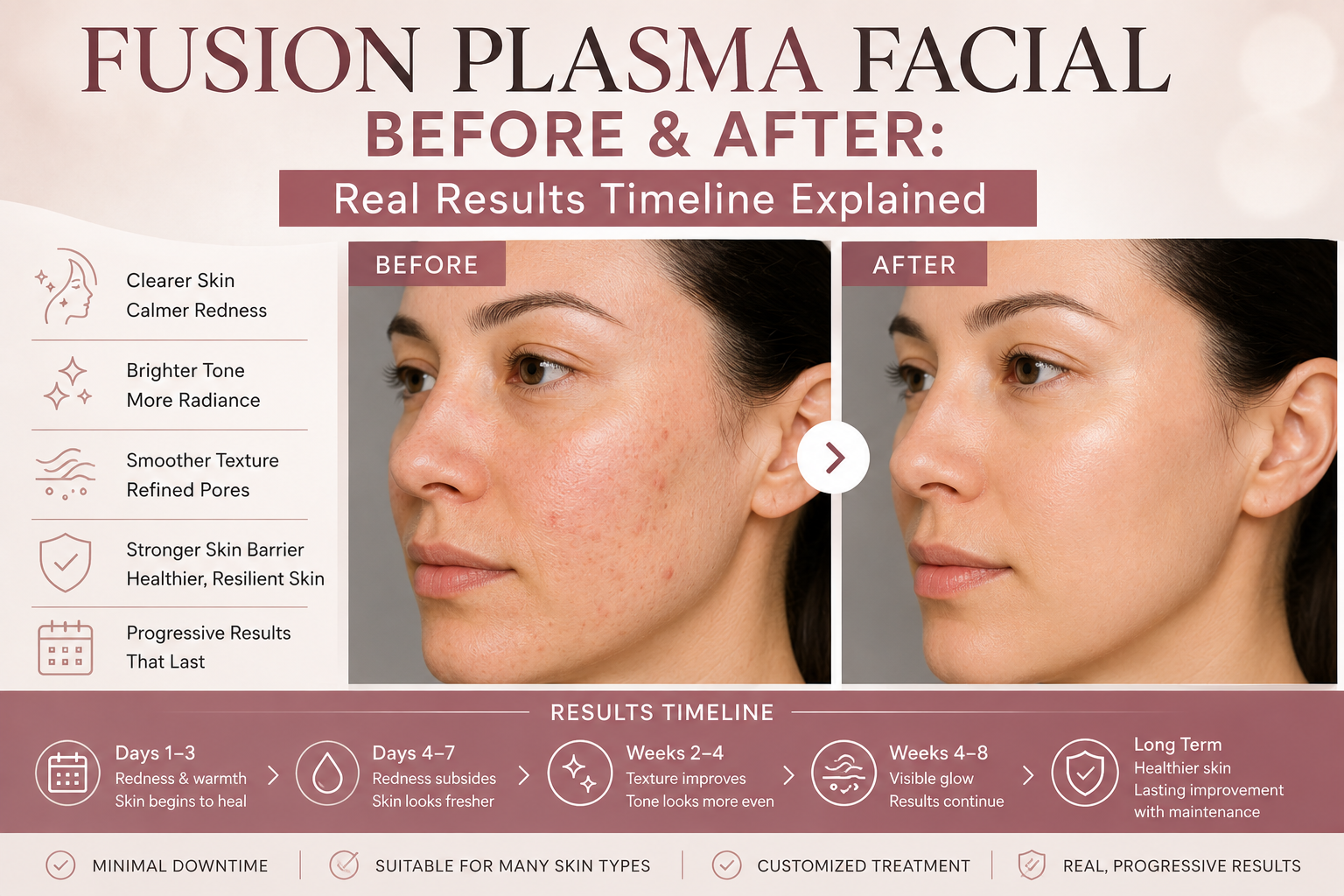
Remodeling | 2–12 weeks | Collagen production, texture refinement | Firmer, clearer, smoother |
Each phase demands a different approach. Using the wrong products at the wrong time stalls healing — or worse, causes damage.
Your skin's specific needs also vary based on where you live. Los Angeles skin faces unique environmental pressures including sun exposure and pollution. Learn more about building a skin care routine for the Los Angeles climate that complements your recovery.
The Universal Post-Treatment Skin Care Routine: First 72 Hours
Regardless of your treatment type, the first three days follow the same core principles. Think of this as your baseline recovery protocol.
Morning Routine — Days 1 to 3
1. Rinse with lukewarm water only. No cleanser.
2. Pat dry with a clean, soft cloth. Never rub.
3. Apply a fragrance-free, barrier-supporting moisturizer.
4. Layer SPF 30 or higher — even indoors.
5. Avoid makeup for at least 24–48 hours.
Evening Routine — Days 1 to 3
6. Cleanse with a gentle, pH-balanced cleanser using cool water.
7. Skip all active ingredients: no retinol, no vitamin C serums, no acids.
8. Apply a rich, occlusive moisturizer.
9. Sleep on a clean pillowcase — ideally silk or clean cotton.
What to avoid in the first 72 hours: • Hot showers or steam rooms • Exfoliants of any kind (physical or chemical) • Retinoids or vitamin A derivatives • Fragranced products • Workouts that cause heavy sweating • Direct sun exposure without protection • Touching or picking at the skin |
Post-Treatment Skin Care Routine by Treatment Type
Each treatment creates a different level of intervention in the skin. A microcurrent facial needs a completely different recovery approach than a deep chemical peel. Here is your treatment-specific guide.
After a Chemical Peel
Chemical peels vary dramatically in depth. Superficial peels cause mild flaking. Medium and deep peels cause significant peeling, redness, and downtime. Learn about chemical peel benefits and risks before setting your recovery expectations.
Day Range | Skin Status | What to Do | What to Avoid |
1–3 | Red, tight, sensitive | Gentle rinse, barrier cream, SPF | All actives, exfoliation, heat |
4–7 | Peeling begins | Let it peel naturally, keep moisturized | Picking, scrubbing, acids |
8–14 | New skin emerging | Reintroduce gentle vitamin C | Retinol, glycolic acid, AHAs |
15–30 | Near-normal barrier | Resume normal routine gradually | Aggressive peels or microneedling |
Pro tip: The itching you feel during peeling is normal — it signals new skin cell generation. But scratching or peeling manually disrupts the process and risks scarring. |
After Microneedling
Microneedling creates thousands of micro-injuries in the skin to trigger collagen production. Compare it with similar treatments by reading microdermabrasion vs microneedling to understand why the aftercare differs.
Your skin will look like a mild sunburn for 24–48 hours. The channels created by the needles stay temporarily open — which makes both absorption and contamination risk higher.
• Use a hyaluronic acid serum immediately after your session — the absorption rate is significantly elevated.
• Avoid niacinamide-heavy products for 48 hours — they can cause flushing on microneedled skin.
• Skip vitamin C serum for 3–5 days. The acidity irritates open channels.
• Use a peptide-based moisturizer to support collagen synthesis.
• Always wear SPF. Microneedled skin is far more susceptible to UV damage.
After Radio Frequency Facial
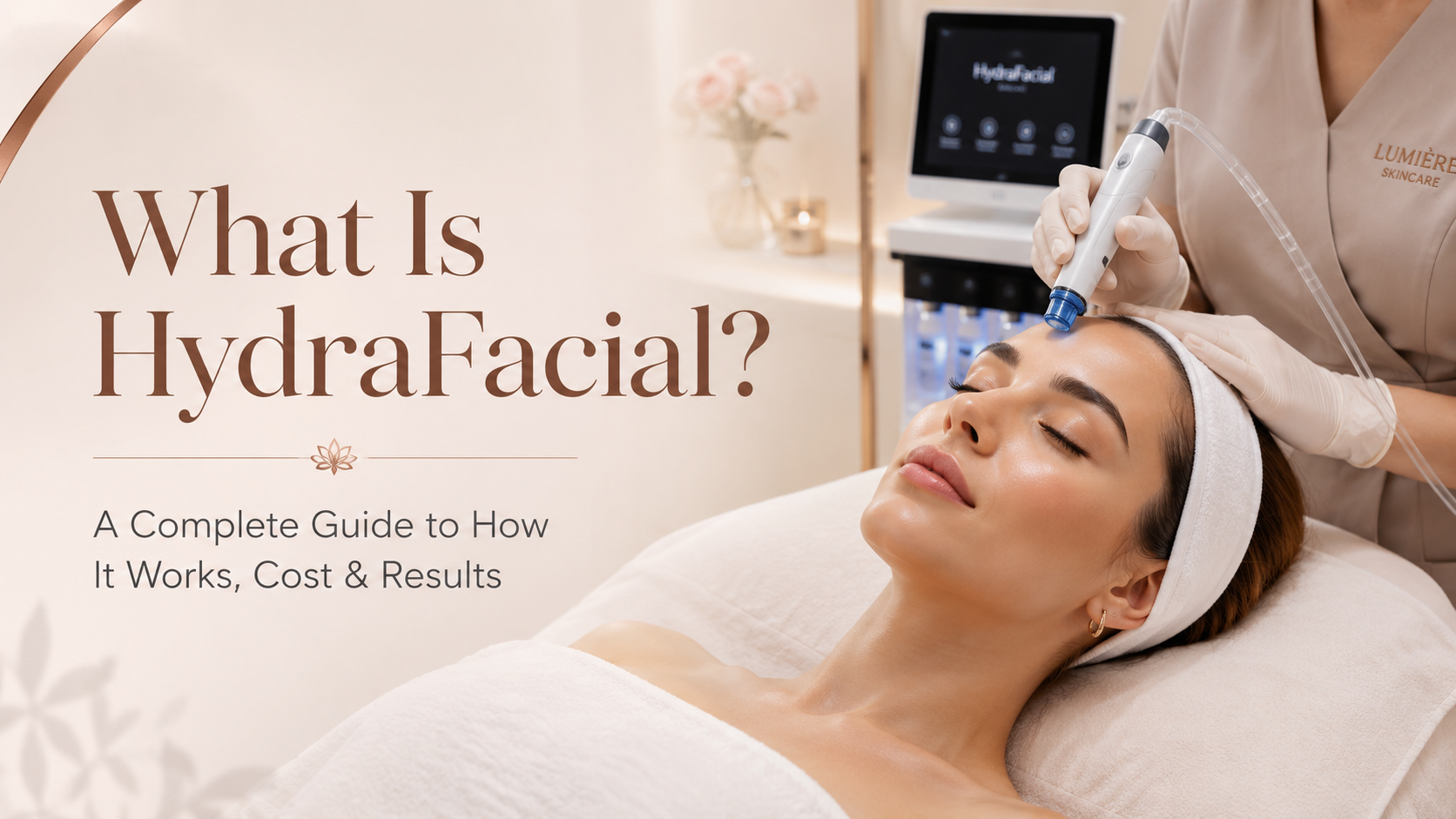
Radio frequency facials heat the dermis to stimulate collagen and elastin. Learn more about how radio frequency facials work — and why the post-treatment skin care routine is simpler than most.
RF treatments cause less surface disruption than peels or needling. But heat-generated inflammation still requires care.
• Apply a cooling gel or aloe vera immediately post-treatment.
• Avoid saunas, steam, and hot yoga for 48 hours.
• Use a ceramide-rich moisturizer twice daily.
• SPF is non-negotiable — heat can trigger post-inflammatory pigmentation.
• Skip retinol for one week.
After Microcurrent Facial
Microcurrent facials use low-level electrical currents to lift and tone facial muscles. They are among the gentlest professional treatments available. Read more about what a microcurrent facial is.
Recovery is minimal, but your post-treatment skin care routine still plays a role in maintaining results.
• Hydrate well with water-based serums containing hyaluronic acid.
• Avoid heavy, occlusive products that could clog pores post-treatment.
• Apply SPF before any sun exposure.
• Skip exfoliation for 24 hours.
• Results build over multiple sessions — consistency in your routine matters more here than any single product.
After LED Light Therapy
LED therapy uses specific light wavelengths to target acne, inflammation, and aging. Explore the full range of LED light therapy benefits to understand what to support post-session.
• LED has virtually zero downtime — most people apply their full routine immediately after.
• Avoid harsh exfoliants for 24 hours if your skin feels slightly warm.
• If treated for acne: use a gentle, non-comedogenic moisturizer and avoid pore-clogging oils.
• If treated for anti-aging: follow with a peptide or growth factor serum to amplify collagen response.
After Thermoclear Treatment
Thermoclear targets skin irregularities like sebaceous hyperplasia, broken capillaries, and skin tags using thermal energy. Understand exactly how Thermoclear treatment works to set realistic recovery expectations.
• Small scabs may form at treatment sites — do not pick them.
• Keep the area clean and dry for 24–48 hours.
• Apply a targeted healing balm to treated spots.
• Avoid active ingredients on treated areas until scabs resolve.
The Products That Power a Post-Treatment Skin Care Routine
Not all products are equal during recovery. Here is a breakdown of what to use, when to use it, and why.
Products Ranked by Recovery Stage
Product Type | Use From | Key Benefit | Recommended For |
Fragrance-free cleanser | Day 1 | Removes debris without disruption | All treatments |
Hyaluronic acid serum | Day 1 | Deep hydration, barrier repair | Microneedling, RF, LED |
Ceramide moisturizer | Day 1 | Barrier rebuilding | All treatments |
SPF 30–50+ | Day 1 | Prevents UV damage and PIH | All treatments |
Peptide serum | Day 3–5 | Collagen support | Microneedling, peels |
Vitamin C serum | Day 5–7 | Antioxidant protection, brightening | Post-peel, LED anti-aging |
Niacinamide | Day 7 | Redness reduction, pore refinement | Acne-focused treatments |
Retinol | Week 2–4 | Cell turnover, long-term renewal | After full healing |
AHA/BHA exfoliants | Week 2–4 | Slough dead skin, prevent congestion | After barrier is restored |
Choosing the Right Ingredients for Post-Treatment Recovery
Not every ingredient belongs in your post-treatment skin care routine. Some accelerate healing. Others sabotage it.
Hyaluronic Acid
Hyaluronic acid is your first-line recovery ingredient. It attracts water from the environment into the skin and holds it there. Apply it on damp skin for maximum absorption.
Look for formulas with multiple molecular weights. Lower weights penetrate deeper. Higher weights sit on the surface and plump.
Vitamin C
Vitamin C is a powerhouse for post-treatment recovery — but only after your barrier has started to rebuild. Introducing it too early on compromised skin causes stinging and irritation. Learn about the full vitamin C serum benefits and when to add it back.
Mandelic Acid vs Glycolic Acid in Recovery
When you are ready to reintroduce chemical exfoliants, the type of acid matters. Mandelic acid is gentler, works well for sensitive skin, and is less likely to cause irritation post-treatment. Glycolic acid is stronger and more suitable once the barrier is fully healed. Read this detailed comparison of mandelic acid vs glycolic acid to make the right call.
Saffron Extract for Post-Treatment Brightening
Saffron is a natural skin brightener with anti-inflammatory properties — ideal for the remodeling phase. It helps address any residual redness or uneven tone after deeper treatments. Explore the science behind saffron benefits for skin.
Meristem Extract for Regeneration
Meristem extract comes from plant stem cells and supports cellular regeneration. It is increasingly used in post-treatment formulas to speed recovery. Learn more about what meristem extract is and why it is gaining traction.
Oil-Based vs Water-Based Products in Recovery
The texture of your products matters during recovery. Water-based formulas absorb quickly and do not clog recovering pores. Oil-based products create an occlusive seal that works well for overnight repair but can cause congestion if used incorrectly. Read this guide on oil-based vs water-based products before stocking your recovery shelf.
Sunscreen: The One Product You Cannot Skip
If you do nothing else after a professional treatment, wear SPF. Post-treatment skin is stripped of natural defenses. UV exposure at this stage causes:
• Post-inflammatory hyperpigmentation (PIH)
• Delayed healing
• Reversal of treatment results
• Increased sensitivity and redness
Not all sunscreens are equal. Choosing the right SPF for your skin type is especially important post-treatment when chemical SPF ingredients can irritate a compromised barrier. Mineral SPF — zinc oxide and titanium dioxide — sits on top of the skin and is gentler for recovery.
SPF Rule During Recovery: Apply SPF 30 minimum every morning. Reapply every 2 hours if outdoors. This is not optional — it is the single biggest predictor of how well your treatment results hold. |
Post-Treatment Care for Specific Skin Conditions
Your underlying skin condition changes what your post-treatment skin care routine should prioritize.
Post-Treatment Care for Acne-Prone Skin
Acne-prone skin reacts differently to professional treatments. Purging — an increase in breakouts immediately after a treatment — is normal and temporary. But infected breakouts are not. Learn how to distinguish the two and manage hormonal acne post-treatment.
• Use non-comedogenic moisturizers during recovery.
• Avoid occlusive oils like coconut or shea butter.
• Introduce niacinamide from day 7 to reduce sebum production.
• Do not apply acne spot treatments to freshly treated skin — they are too harsh.
Back acne requires separate consideration after body treatments. Read about back acne causes and solutions for a targeted recovery approach.
Post-Treatment Care for Hyperpigmentation
Treatments like peels and microneedling are commonly used to address hyperpigmentation. But improper aftercare can actually worsen it. Reducing hyperpigmentation naturally post-treatment focuses on two priorities: blocking UV and supporting even cell turnover.
• SPF every single morning without exception.
• Introduce vitamin C at day 5–7 to interrupt melanin synthesis.
• Avoid heat: hot showers, saunas, and warm yoga classes can trigger PIH.
• Use a gentle brightening serum with kojic acid or licorice root after week two.
Post-Treatment Care for Rosacea
Rosacea-prone skin is the most reactive to professional treatments. The inflammatory response is stronger and lasts longer. Learn about treating rosacea safely in the context of professional treatments.
• Use azelaic acid from week two — it calms redness without irritating a healing barrier.
• Avoid alcohol-based toners permanently.
• Stick to mineral SPF during recovery — no chemical sunscreens.
• Green-tinted moisturizers can help neutralize visible redness during recovery.
7 Post-Treatment Skin Care Routine Mistakes That Ruin Results
1. Skipping SPF. Already covered — but worth repeating. It is the most common and most damaging mistake. 2. Returning to actives too soon. Retinol, AHAs, BHAs, and vitamin C should wait at least 5–7 days. Reintroduce them one at a time. 3. Picking or peeling flaking skin. This is tempting but it literally removes new skin cells before they are ready. It causes scarring and uneven tone. 4. Over-cleansing. Washing your face more than twice daily post-treatment strips the recovering barrier. Less is more. 5. Using fragranced products. Fragrance is the number one cause of contact dermatitis on post-treatment skin. Read every label. 6. Getting another treatment too soon. Back-to-back sessions without full recovery lead to chronic inflammation and compromised results. Space treatments appropriately — read about how often you should get a facial. 7. Wearing makeup too early. Find out exactly when it is safe by reading can you wear makeup after a facial. |
Your Week-by-Week Post-Treatment Skin Care Routine Schedule
Week 1: Protect and Restore
Time of Day | Step | Product Type |
AM | Cleanse | Gentle, fragrance-free cleanser |
AM | Hydrate | Hyaluronic acid serum |
AM | Moisturize | Ceramide-rich cream |
AM | Protect | Mineral SPF 30–50+ |
PM | Cleanse | Same gentle cleanser |
PM | Treat | Barrier repair serum |
PM | Moisturize | Heavier ceramide or peptide cream |
PM | Seal | Optional: thin layer of healing balm |
Week 2: Reintroduce Actives Gradually
• Add vitamin C serum in the morning if no sensitivity remains.
• Introduce niacinamide if treating acne or redness.
• Begin gentle mandelic acid exfoliation 1–2 times per week (not for deep peel recovery).
• Continue SPF without exception.
Week 3–4: Resume Normal Routine
• Reintroduce retinol at a lower frequency (1–2 nights per week).
• Resume full exfoliation schedule.
• Book your next treatment consultation if desired — with full barrier healing confirmed.
Your Skin Type Changes What You Need Post-Treatment
Not every skin type recovers the same way. Understanding your specific skin type helps you select the right recovery products. Start with the right foundation by identifying your best facial for your skin type.
Skin Type | Recovery Focus | Key Products | What to Avoid |
Dry | Deep hydration, barrier sealing | HA serum, ceramide cream, face oil (week 2) | Over-washing, low-pH products |
Oily | Hydration without congestion | HA serum, lightweight gel cream, niacinamide | Heavy oils, occlusive balms |
Combination | Zone-specific care | Lightweight HA, targeted moisturizers per zone | Over-exfoliating T-zone |
Sensitive | Minimal product, maximum calm | Allantoin, centella, gentle ceramide cream | Fragrance, actives, harsh cleansers |
Acne-prone | Non-comedogenic, anti-inflammatory | Non-clog moisturizer, zinc SPF | Coconut oil, heavy occlusives |
Professional Guidance vs Self-Managed Post-Treatment Care
There is a difference between following general aftercare instructions and having a professional skin care plan tailored to you.
An esthetician monitors how your skin responds to treatment and adjusts recommendations between sessions. A dermatologist steps in when medical-grade concerns — like infection, allergic reactions, or severe PIH — appear. Know when you need each by reading about the difference between an esthetician vs dermatologist.
After your first session, it helps to know exactly what is normal and what is not. Read what to expect at your first facial to set realistic recovery benchmarks.
How to Maintain Facial Results Long-Term
Your post-treatment skin care routine is not just about the first two weeks. Sustaining your results over months requires consistent home care habits.
Explore the complete guide on how to maintain facial results with specific product and routine recommendations by treatment type.
The long game: A consistent daily routine at home — cleanse, treat, moisturize, SPF — maintains 80% of your treatment results between sessions. Most people invest in the treatment and neglect the maintenance. Do not be most people. |
Trusted External Resources
These resources provide additional clinical backing for post-treatment care protocols:
• American Academy of Dermatology — Wound Care After Skin Procedures — Clinical guidance on post-procedure skin healing.
• National Institutes of Health — Skin Barrier and Wound Healing Research — Peer-reviewed research on epidermal barrier recovery after cosmetic procedures.
Key Takeaways: Your Post-Treatment Skin Care Routine
What your skin needs most: • Gentle cleansing and maximum hydration in the first 72 hours • SPF every single morning — no exceptions • Reintroduce actives slowly: vitamin C first, retinol last • Match your products to your specific treatment and skin type • Never pick at peeling or flaking skin • Book maintenance appointments at appropriate intervals • Work with a professional who knows your skin history |