Fine lines, uneven texture, enlarged pores, and early skin laxity often appear at the same time. That can make choosing a treatment difficult: one procedure may improve surface texture, while another focuses primarily on firmness.
Fusion Plasma Lifting & Resurfacing is designed to address both concerns within one customized treatment. It uses controlled plasma energy to support skin renewal, improve texture, and create a firmer, more refreshed appearance without traditional surgery.
This fusion plasma lifting & resurfacing guide explains how the treatment works, its potential benefits, expected downtime, possible side effects, cost, ideal candidates, and how it compares with other skin rejuvenation options.
Important: “Fusion plasma” is not one standardized procedure. Devices, handpieces, energy levels, and treatment protocols can differ significantly. Always ask your provider which device and settings will be used for your skin.
What Is Fusion Plasma Lifting & Resurfacing?
Fusion Plasma Lifting & Resurfacing is a professional cosmetic treatment that uses plasma—a partially ionized gas—to deliver controlled energy to the skin.
Depending on the equipment and protocol, a fusion plasma system may combine:
Warm or thermal plasma to target laxity, fine lines, and uneven texture.
Cold atmospheric plasma to support a calmer treatment environment, address surface bacteria, and promote skin recovery.
Plasma is sometimes called the fourth state of matter. In aesthetic devices, electrical energy converts a gas into a mixture of charged particles and reactive species that can interact with the skin in a carefully controlled way. Cold atmospheric plasma is being studied for dermatologic applications including acne, inflammation, wound care, and tissue regeneration, although results depend heavily on the device and indication.
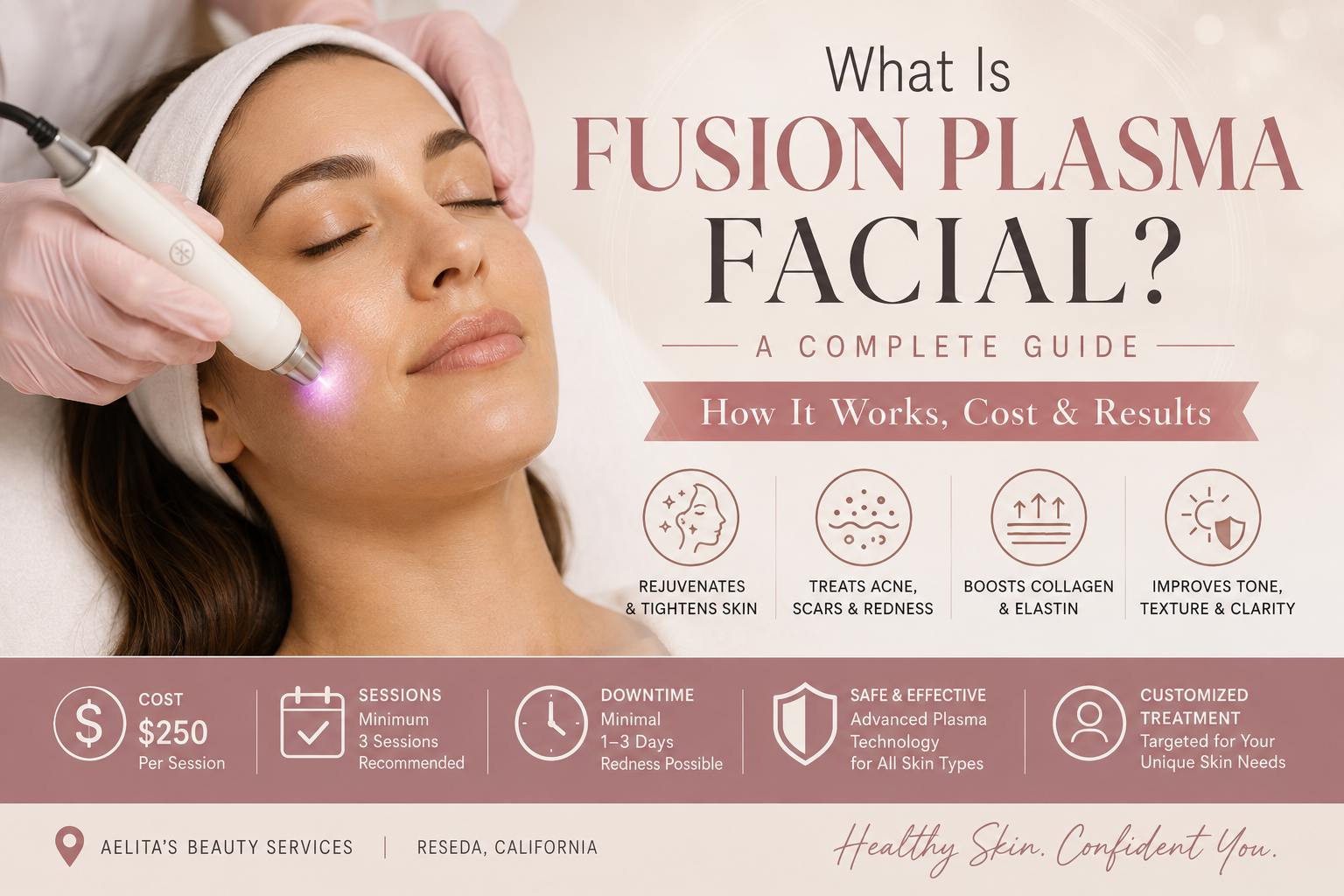
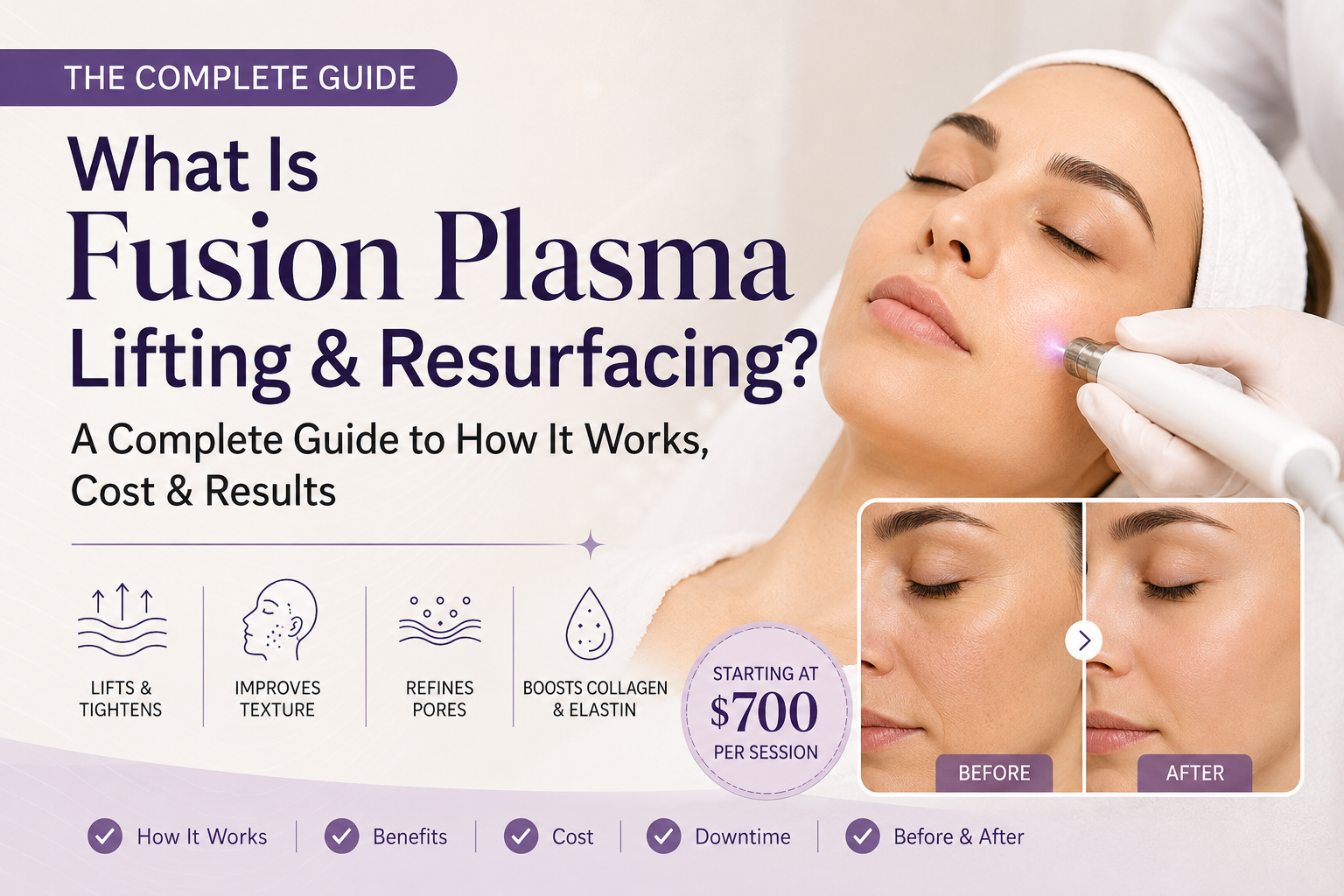
At Aelita’s Beauty Services, the Fusion Plasma Lifting & Resurfacing treatment is described as a non-invasive facial designed to lift, tighten, improve texture, refine pores, and support collagen and elastin production. The treatment is currently listed at $700.
How Does Fusion Plasma Lifting & Resurfacing Work?
The treatment’s lifting and resurfacing effects come from two related processes.
1. Controlled thermal stimulation
A warm-plasma setting delivers targeted energy to selected areas of the skin. The goal is to create a controlled response without the incisions used in surgery.
Depending on the treatment intensity, this energy may produce immediate tissue contraction and begin a longer remodeling process. During healing, fibroblasts—the cells involved in producing collagen and other structural components—participate in repairing the treated area.
Clinical studies of specific plasma-resurfacing technologies have reported progressive improvement in facial wrinkles over several months. However, those findings cannot automatically be applied to every device marketed as fusion plasma.
2. Surface renewal
The resurfacing portion targets dullness, rough texture, enlarged-looking pores, and superficial irregularities.
More intensive settings may create visible micro-dots, dryness, or light flaking as the surface renews. Gentler, non-ablative protocols may cause only temporary redness or warmth.
3. Cold-plasma support
Some fusion systems use cold atmospheric plasma before or after the thermal portion. Cold plasma produces reactive oxygen and nitrogen species without delivering the same level of bulk heat as an ablative treatment.
Research suggests that cold atmospheric plasma may have antimicrobial and anti-inflammatory effects and could support certain skin-repair processes. Evidence is promising, but standardized treatment guidelines and large cosmetic trials remain limited.
4. Gradual collagen remodeling
Although some tightening may be noticeable shortly after treatment, the final outcome should not be judged immediately.
Collagen remodeling is gradual. Changes in firmness, texture, and fine lines may continue to develop over the following weeks and months.
Fusion Plasma Lifting & Resurfacing Benefits
Potential fusion plasma lifting & resurfacing benefits include:
Firmer-looking skin
A more defined-looking jawline
Softer fine lines and wrinkles
Smoother surface texture
Refined-looking pores
Improved radiance
More even-looking skin tone
Reduced appearance of mild acne scarring
Improvement in crepey-looking skin
Combined lifting and resurfacing in one appointment
Unlike treatments that focus only on exfoliation or only on deeper tightening, fusion plasma may address several layers and concerns during one customized session.
Results vary according to age, skin condition, sun damage, treatment intensity, aftercare, and the exact technology used.
Who Are Good Fusion Plasma Lifting & Resurfacing Candidates?
The most suitable fusion plasma lifting & resurfacing candidates are generally adults with mild to moderate signs of aging or textural damage.
You may be a candidate when you want to improve:
Early jowling or reduced jawline definition
Mild facial or neck laxity
Fine lines around the eyes or mouth
Rough or uneven texture
Enlarged-looking pores
Mild acne scars
Dullness or loss of radiance
Crepey-looking skin
Early age-related changes without surgery
The procedure is not a replacement for a surgical facelift. Significant loose skin, deep folds, or major volume loss may require a different treatment plan.
Who may need to postpone or avoid treatment?
A provider may advise against treatment when you have:
An active skin infection
Open wounds in the treatment area
A recent sunburn or significant tanning
A history of poor wound healing or keloid scarring
Uncontrolled inflammatory skin disease
Certain implanted electronic devices
Pregnancy or breastfeeding
Recent use of medications that affect skin healing
A history of post-inflammatory hyperpigmentation requiring additional caution
Suspicious or undiagnosed skin lesions
These are general considerations rather than a complete contraindication list. Your provider should review your medical history, medications, allergies, previous procedures, skin tone, and healing history before treatment.
What Happens During the Appointment?
A typical session may include the following stages.
Consultation and skin assessment
Your provider examines your skin, discusses your concerns, and determines whether plasma resurfacing is appropriate. This is also when treatment depth, target areas, realistic results, and aftercare should be discussed.
Cleansing and preparation
Makeup, sunscreen, oil, and surface impurities are removed. The provider may mark areas requiring additional tightening or resurfacing.
Numbing
A topical numbing product may be used for a more intensive thermal treatment. Some gentler protocols may not require numbing.
Careful application is important, particularly around the eyes. A published case report documented chemical eye injuries caused by numbing cream accidentally entering the eyes before a plasma fibroblast procedure.
Plasma application
The handpiece may glide across the skin, hover above it, or deliver energy in a precise pattern. The technique depends on the device and selected treatment mode.
Calming and protection
A soothing product, mask, LED session, or post-procedure skincare may be applied. Broad-spectrum sun protection is essential after resurfacing.
Fusion Plasma Lifting & Resurfacing Pain Level
The fusion plasma lifting & resurfacing pain level varies by treatment intensity and area.
A light, non-ablative pass may feel like warmth, tingling, or small static sensations. More intensive resurfacing can feel hot, sharp, or briefly uncomfortable, especially around the eyes, upper lip, forehead, and jawline.
Topical numbing may reduce discomfort, but clients should still expect to feel some warmth or energy.
Pain should remain manageable. Tell the provider immediately if you experience severe burning, intense pain, or discomfort that feels concentrated in one spot.
Fusion Plasma Lifting & Resurfacing Downtime
The expected fusion plasma lifting & resurfacing downtime depends more on treatment depth than on the treatment name.
After a gentle session, you may experience:
Mild redness
Temporary warmth
Slight sensitivity
Dryness or tightness
Minimal interruption to normal activities
After a stronger resurfacing session, you may experience:
Redness lasting several days
Mild to moderate swelling
Visible micro-dots or crusting
Flaking or peeling
Temporary sensitivity
Several days of social downtime
A clinical study of one low-temperature plasma protocol reported temporary dryness, redness, desquamation, itching, and hyperpigmentation. The reactions in that study were mild and resolved within one week, but different devices and stronger treatments can produce different risk profiles.
Ask your provider whether your planned treatment is ablative, fractional, thermal, non-ablative, or cold-plasma-based. That answer is more useful than a general promise of “no downtime.”
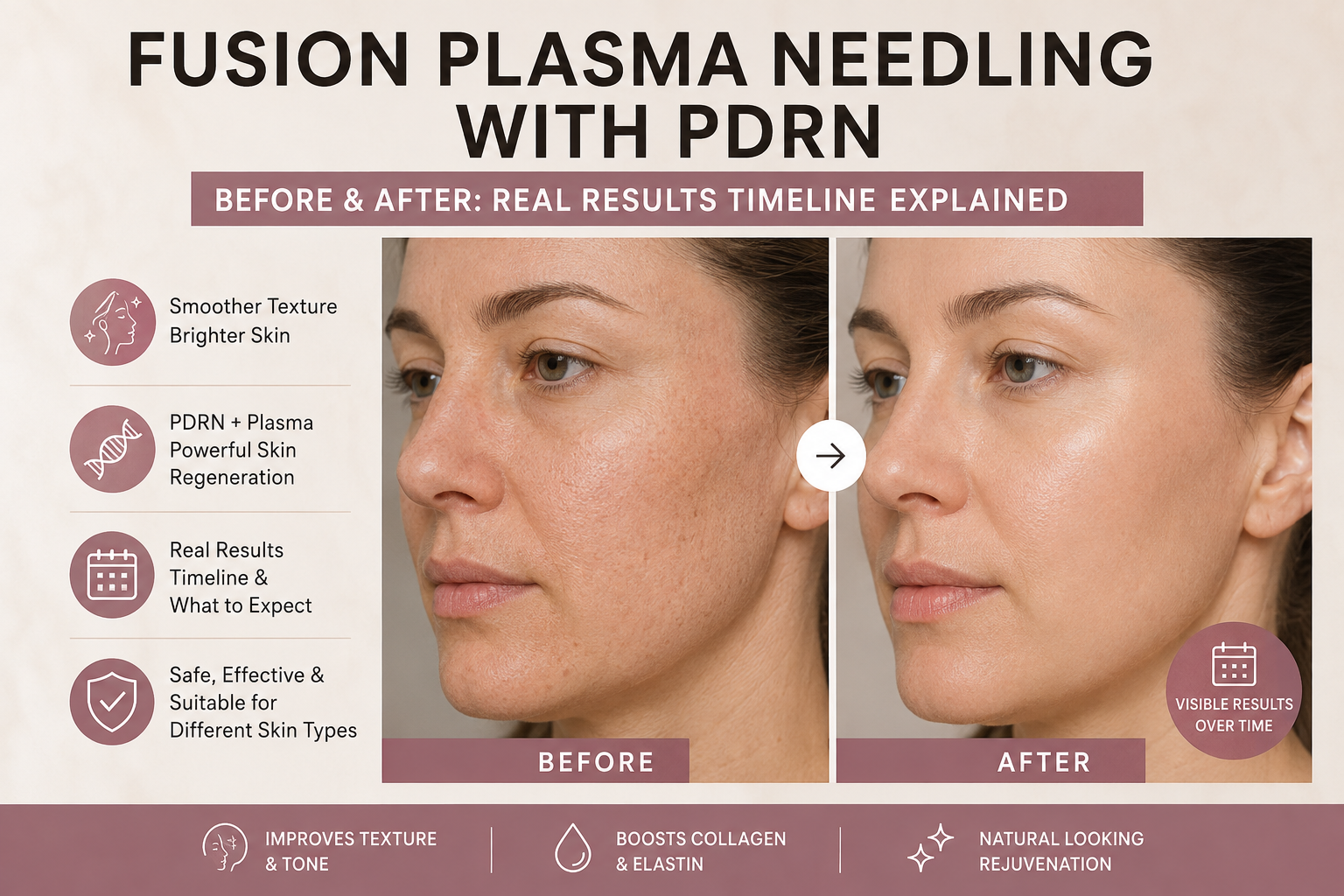
Fusion Plasma Lifting & Resurfacing Before and After: What Results Can You Expect?
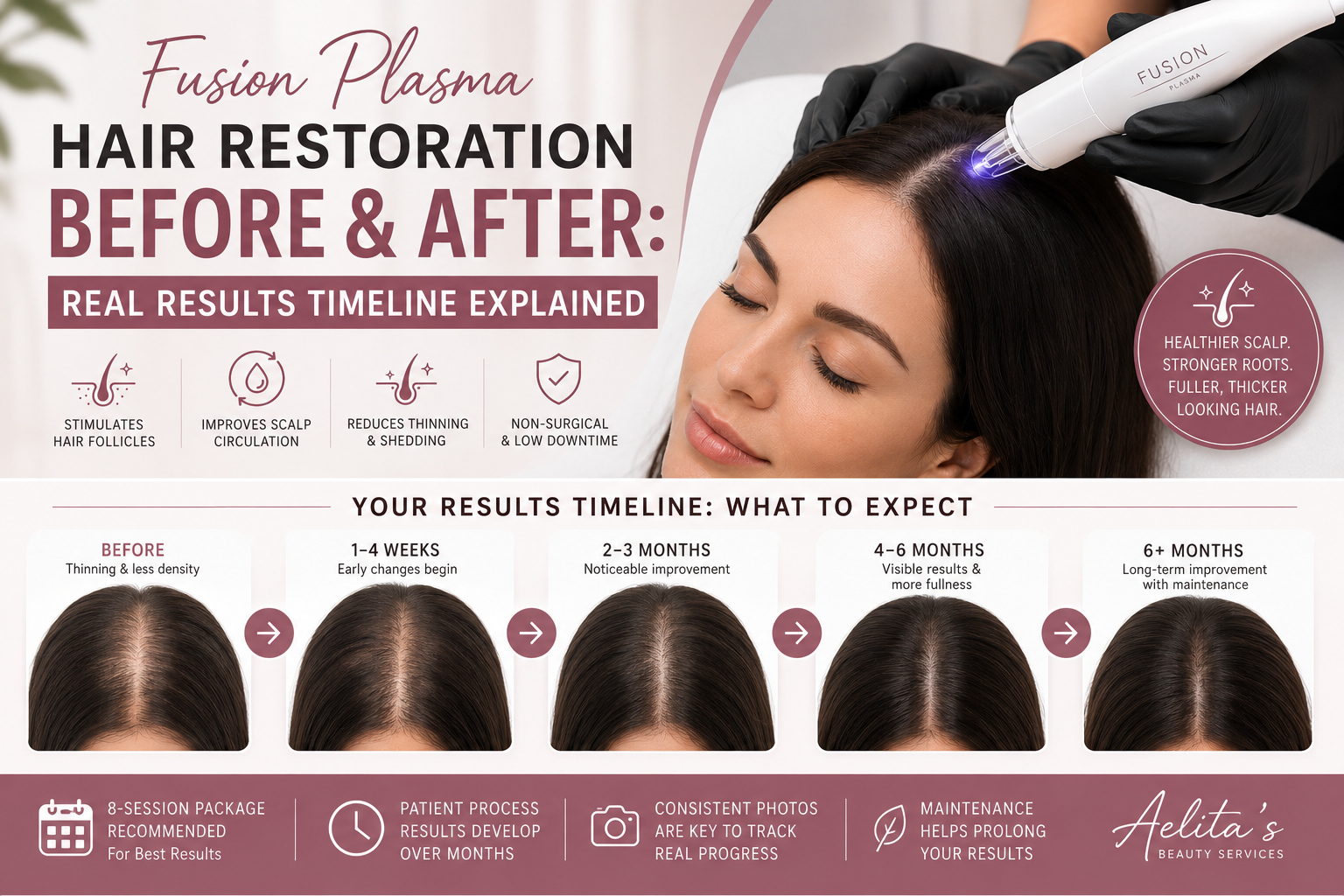
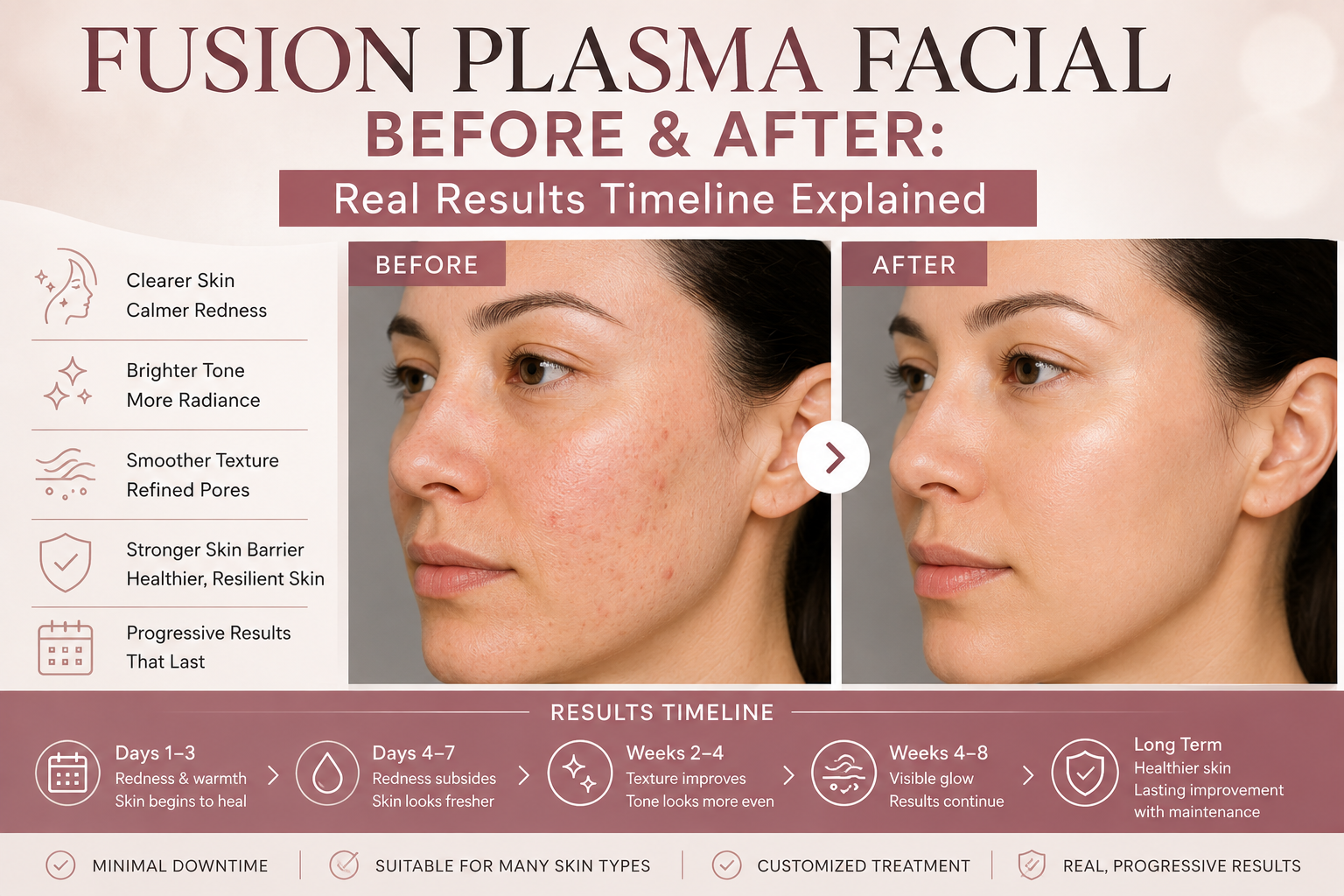
When evaluating fusion plasma lifting & resurfacing before and after photos, look for changes in:
Jawline definition
Skin firmness
Fine-line depth
Surface smoothness
Pore visibility
Crepey texture
Overall brightness
Consistency of skin tone
Some people notice an early tightening effect, but initial swelling can temporarily influence how firm the skin appears. The more meaningful comparison occurs after the skin has healed and collagen remodeling has progressed.
A realistic timeline may look like this:
First 24–72 hours
Redness, sensitivity, dryness, or swelling may be present. The skin can feel tighter, although this is not the final result.
Days 3–7
Visible dots, flaking, or dry areas may begin to shed after a stronger treatment. Do not pick, scrub, or peel the skin.
Weeks 2–4
The complexion may appear smoother and brighter. Early textural changes can become easier to see.
Months 2–3
Firmness and fine-line improvement may become more noticeable as remodeling continues.
Months 3–6
Results may continue to mature. Studies of particular plasma-resurfacing technologies have documented progressive wrinkle improvement between three and six months, but outcomes from one device should not be treated as a guarantee for another.
Fusion Plasma Lifting & Resurfacing Results: How Long Do They Last?
People frequently ask, “Fusion plasma lifting & resurfacing results—how long do they last?”
There is no universal duration. Results are influenced by:
The device and treatment depth
Number of sessions
Your age and baseline skin laxity
Collagen quality
Sun exposure
Smoking
Weight fluctuations
Hormonal changes
Skincare and maintenance treatments
Because the procedure cannot stop natural aging, changes in firmness and texture gradually evolve over time.
Some providers recommend maintenance every six to twelve months, while others may suggest a longer interval after a more intensive treatment. The ideal schedule should be based on your response—not a preset package sold before your first session.
How Often Should You Have Fusion Plasma Lifting & Resurfacing?
How often fusion plasma lifting & resurfacing should be performed depends on its intensity.
A provider might recommend:
One treatment followed by reassessment
A short series for texture or scarring
Widely spaced sessions for stronger resurfacing
Periodic maintenance after results stabilize
More frequent treatment is not necessarily better. Repeating an energy-based procedure before the skin has completely healed can increase irritation and pigmentation risks.
Ask your provider:
What clinical endpoint are you trying to achieve?
How will you determine whether another session is needed?
How long should my skin heal before retreatment?
Will the next treatment use the same settings?
Fusion Plasma Lifting & Resurfacing Cost
The fusion plasma lifting & resurfacing cost can vary according to:
Treatment area
Device and handpiece
Provider experience
Session length
Treatment intensity
Whether the face, neck, or eye area is included
Additional masks, serums, or LED therapy
Geographic location
Number of sessions
At Aelita’s Beauty Services, the treatment is currently listed at $700 per session. Pricing can change, so confirm the total before booking.
When comparing prices, ask whether the quote includes:
Consultation
Numbing
Face and neck
Post-treatment products
Follow-up assessment
Corrective care if a reaction develops
A low price should not outweigh device quality, provider qualifications, sanitation standards, and appropriate skin assessment.
You can view the complete facial and skincare service menu to compare Fusion Plasma with other treatment options.
Fusion Plasma Lifting & Resurfacing Side Effects
Common temporary fusion plasma lifting & resurfacing side effects may include:
Redness
Warmth
Swelling
Tenderness
Dryness
Flaking
Temporary itching
Sensitivity to skincare products
Visible treatment dots after certain protocols
Less common but more serious risks can include:
Burns
Infection
Prolonged inflammation
Post-inflammatory hyperpigmentation
Hypopigmentation
Scarring
Persistent texture changes
Eye injury when treatment or numbing products are used improperly near the eyes
Risk varies greatly among cold plasma, non-ablative thermal plasma, fractional plasma, traditional fibroblast pens, and subdermal helium-plasma procedures. These treatments should not be discussed as though they are interchangeable.
Is Fusion Plasma Lifting & Resurfacing Safe?
So, is fusion plasma lifting & resurfacing safe?
It may be performed safely for an appropriately selected client when the provider uses a suitable device, follows the manufacturer’s protocol, understands skin healing, and applies conservative settings.
However, no cosmetic treatment is universally safe for every person or every skin tone.
FDA clearance is also indication-specific. For example, certain plasma devices are cleared for the removal and destruction of skin lesions and coagulation of tissue. That does not automatically mean every device is cleared for facial lifting, wrinkle reduction, acne, or cosmetic resurfacing.
Renuvion or J-Plasma is another distinct technology used in certain subdermal or dermal procedures. The FDA has issued and updated safety communications for specific Renuvion handpieces and indications. It should not be confused with a topical fusion plasma facial.
Before treatment, ask for:
The exact device name and manufacturer
The treatment’s intended use
The provider’s training
Examples involving your skin tone
A written contraindication list
Written aftercare instructions
A plan for managing complications
Avoid at-home plasma pens. They can cause uncontrolled thermal injury, burns, scarring, and pigmentation changes.
Fusion Plasma Lifting & Resurfacing vs Other Treatments
Understanding fusion plasma lifting & resurfacing vs other treatments can help you choose a procedure that matches your primary concern.
Treatment | Primary Focus | Typical Recovery | Best Suited For |
Fusion plasma | Firmness plus surface renewal | Varies from minimal to several days | Mild laxity with texture concerns |
Chemical peel | Exfoliation and pigment correction | Depends on peel depth | Dullness, discoloration, superficial texture |
Microneedling | Controlled needling and collagen stimulation | Usually a few days | Acne scars, pores, fine lines |
Radiofrequency | Heat-based collagen stimulation | Often minimal | Mild to moderate laxity |
RF microneedling | Needling plus radiofrequency energy | Several days | Texture, scars, and firmness |
Fractional laser | Precise thermal resurfacing | Varies considerably | Wrinkles, pigment, scars, sun damage |
HIFU or ultrasound | Deeper tissue heating | Usually limited surface recovery | Deeper lifting and contouring |
Injectable treatments | Muscle relaxation or volume replacement | Usually limited | Expression lines or volume loss |
Facelift surgery | Surgical repositioning and skin removal | Several weeks | Significant laxity |
Fusion plasma may appeal to clients who want both lifting and resurfacing without injections or surgery. It may not be the best choice when the primary problem is major volume loss, muscle-driven expression lines, severe sagging, or deep pigmentation.
How to Choose Fusion Plasma Lifting & Resurfacing Near Me
When searching for fusion plasma lifting & resurfacing near me, do not choose a provider based only on social media photos or discounts.
Look for:
A valid professional license
Device-specific education
Clear sanitation procedures
Experience with your Fitzpatrick skin type
Unedited before-and-after photographs
Conservative, realistic claims
A detailed consultation
Written consent and aftercare
A process for follow-up questions
Willingness to refer you to a medical professional when necessary
Be cautious when a provider promises permanent results, painless treatment, no risks, or identical outcomes for every client.
Can an Esthetician Perform Fusion Plasma Lifting & Resurfacing?
Whether an esthetician fusion plasma lifting & resurfacing service is permitted depends on state law, device classification, treatment depth, and whether the procedure is considered cosmetic or medical.
An esthetician license alone should not be assumed to authorize every plasma device. Scope-of-practice rules vary, and some procedures may require medical supervision or a medical license.
Ask the provider:
What license do you hold?
Is this device permitted within your scope of practice?
Who provides medical oversight, when required?
What plasma training have you completed?
How many treatments have you performed?
How do you respond to burns, infection, or abnormal healing?
How to Read Fusion Plasma Lifting & Resurfacing Reviews
Fusion plasma lifting & resurfacing reviews can be helpful, but they should not replace a consultation.
The most useful reviews describe:
The area treated
The treatment intensity
Pain during the procedure
Swelling and downtime
When results became visible
Whether pigmentation occurred
Quality of follow-up care
Whether the reviewer would repeat the treatment
Be skeptical of reviews that show only immediately post-treatment photos. Swelling, lighting, makeup, facial expression, and camera angle can create the appearance of a stronger lift.
Preparing for Your Treatment
Follow your provider’s instructions, which may include:
Avoiding tanning and excessive sun exposure
Pausing retinoids, exfoliating acids, or scrubs
Arriving with clean skin
Disclosing medications and supplements
Reporting a history of cold sores
Postponing treatment if you develop an infection or rash
Avoiding another aggressive facial procedure immediately beforehand
Do not stop prescribed medication without guidance from the prescribing professional.
Fusion Plasma Aftercare
After treatment:
Cleanse gently
Use only approved products
Apply broad-spectrum sunscreen
Avoid picking or scratching
Avoid retinoids and exfoliating acids until cleared
Limit direct sun exposure
Avoid excessive heat and strenuous exercise during early healing
Keep makeup off compromised skin unless your provider approves it
Contact the provider if pain, redness, swelling, or discharge worsens
Seek prompt medical attention for blistering, severe pain, spreading redness, pus, vision changes, eye pain, or signs of an allergic reaction.
Frequently Asked Questions
Does fusion plasma permanently tighten the skin?
No cosmetic energy treatment stops aging permanently. The procedure may create longer-term remodeling, but the skin continues to change with age, sun exposure, hormones, and lifestyle.
Can fusion plasma replace a facelift?
It may improve mild to moderate laxity, but it cannot remove or reposition significant loose tissue like surgery.
Can fusion plasma improve acne scars?
Resurfacing may soften certain shallow textural scars. Deep ice-pick, rolling, or tethered scars may require a combination treatment plan.
Is fusion plasma suitable for darker skin?
Suitability depends on the device, treatment intensity, and provider experience. Darker skin can be more vulnerable to post-inflammatory pigmentation after thermal injury. A conservative assessment and possibly a test spot may be appropriate.
Can fusion plasma be combined with other treatments?
Possibly, but treatments should be correctly spaced. Combining multiple procedures too closely can increase inflammation and delay healing.
When can I wear makeup?
That depends on whether the skin barrier remains intact. Do not cover open, crusted, or actively peeling areas unless your provider specifically approves it.
How many treatments will I need?
Some clients may begin with one session, while others need a series. A responsible provider reassesses the skin after healing before recommending additional treatment.
Final Thoughts
Fusion Plasma Lifting & Resurfacing may be a useful option for people who want to improve mild skin laxity, fine lines, dullness, pores, and uneven texture within one customized procedure.
Its main appeal is versatility: selected plasma modes can target both firmness and surface quality. However, treatment names alone do not tell you how aggressive a procedure will be. The device, handpiece, energy level, provider qualifications, and your individual skin characteristics all influence safety, downtime, and results.
A detailed consultation is the best way to determine whether Fusion Plasma, a chemical peel, microneedling, radiofrequency, laser resurfacing, or another treatment is right for you.
This article is for general educational purposes and does not replace individualized medical advice, diagnosis, or treatment.