Peels & Resurfacing Treatments: Which One Is Right for Your Skin Concerns?
In the quest for radiant, youthful skin, peels and resurfacing treatments stand as some of the most effective and versatile options in aesthetic medicine. These procedures work by removing damaged outer layers of skin, stimulating collagen production, and revealing fresher, healthier skin beneath. Whether you’re dealing with stubborn acne scars, fine lines from aging, uneven tone from sun exposure, or dull texture, there’s a resurfacing solution tailored to your needs.
Unlike topical creams that offer gradual, surface-level improvements, peels and resurfacing deliver noticeable transformation by triggering the skin’s natural healing response. From gentle lunchtime chemical peels to powerful ablative lasers, the variety allows customization based on skin type, concern severity, desired downtime, and budget. As of 2026, advancements in fractional technologies, safer acids, and combination protocols make these treatments more accessible and effective than ever, with options suitable for nearly all Fitzpatrick skin types when performed by qualified professionals.
This comprehensive guide explores the major categories of peels and resurfacing treatments, their mechanisms, ideal uses, pros/cons, and real-world results. By the end, you’ll understand exactly which option aligns with your skin goals.
Understanding Skin Resurfacing: The Science Behind the Glow
Skin resurfacing accelerates the natural exfoliation and regeneration process. The epidermis (outer layer) renews every 28–40 days, but aging, sun damage, and inflammation slow this down, leading to buildup of dead cells, discoloration, and wrinkles.
Key mechanisms include:
Exfoliation: Removing damaged cells chemically (acids), thermally (lasers), or mechanically (needling/dermabrasion).
Collagen induction: Heating or injuring the dermis signals fibroblasts to produce new collagen and elastin, improving firmness and texture over weeks to months.
Targeted correction: Addressing pigmentation, vascular issues, or scars at specific depths.
Results depend on depth: superficial treatments refresh glow with zero downtime; deeper ones tackle severe damage but require recovery.
Major Types of Peels and Resurfacing Treatments
1. Chemical Peels
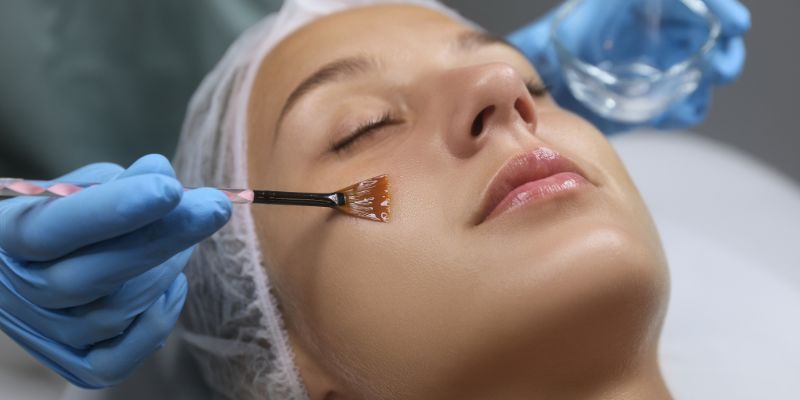
Chemical peels apply acid solutions to induce controlled injury and peeling. Depths vary:
Superficial (Light) Peels: Alpha hydroxy acids (AHAs) like glycolic (20–30%), lactic, or mandelic acid; beta hydroxy acids (BHAs) like salicylic (ideal for oily/acne-prone skin). Penetrate only the epidermis. Best for: Dullness, mild discoloration, fine texture issues, mild acne, prevention. Downtime: None to 1–2 days of flaking. Sessions: Every 2–4 weeks; series of 3–6 for best results. Results: Brighter, smoother skin; improved product absorption.
Medium-Depth Peels: Trichloroacetic acid (TCA 20–35%), Jessner’s solution, or combination peels (e.g., VI Peel). Reach upper dermis. Best for: Moderate sun damage, fine-to-moderate wrinkles, acne scars, melasma, actinic keratoses. Downtime: 5–7 days of redness, swelling, and peeling. Results: Significant improvement in tone and texture; collagen boost lasts 6–12 months.
Deep Peels: Phenol-based (e.g., Baker-Gordon). Penetrate deep dermis. Best for: Severe wrinkles, deep scars, extensive photodamage (often one-time treatment). Downtime: 10–14+ days; requires sedation and strict aftercare. Risks: Higher for scarring and pigmentation changes; limited to lighter skin types.
Safety note: Lighter peels suit all skin types; deeper ones require caution in Fitzpatrick IV–VI to avoid post-inflammatory hyperpigmentation (PIH).
2. Laser Skin Resurfacing
Lasers use focused light energy for precise, controlled damage.
Ablative Lasers (CO2, Erbium:YAG): Vaporize outer layers. Best for: Deep wrinkles, severe acne scars, significant sun damage, skin tightening. Downtime: 7–14 days (fractional versions reduce this). Advantages: Dramatic, long-lasting collagen remodeling (up to years).
Non-Ablative Lasers (Nd:YAG, Fraxel, Pulsed Dye): Heat dermis without removing epidermis. Best for: Mild-moderate concerns, rosacea, pigmentation, maintenance. Downtime: 1–3 days redness. Sessions: 3–6 for cumulative results.
Fractional Lasers: Treat microscopic columns, leaving surrounding tissue intact for faster healing. Popular in 2026 for balancing efficacy and recovery.
Lasers excel in precision and deeper collagen stimulation compared to peels.
3. Microneedling and Radiofrequency (RF) Microneedling
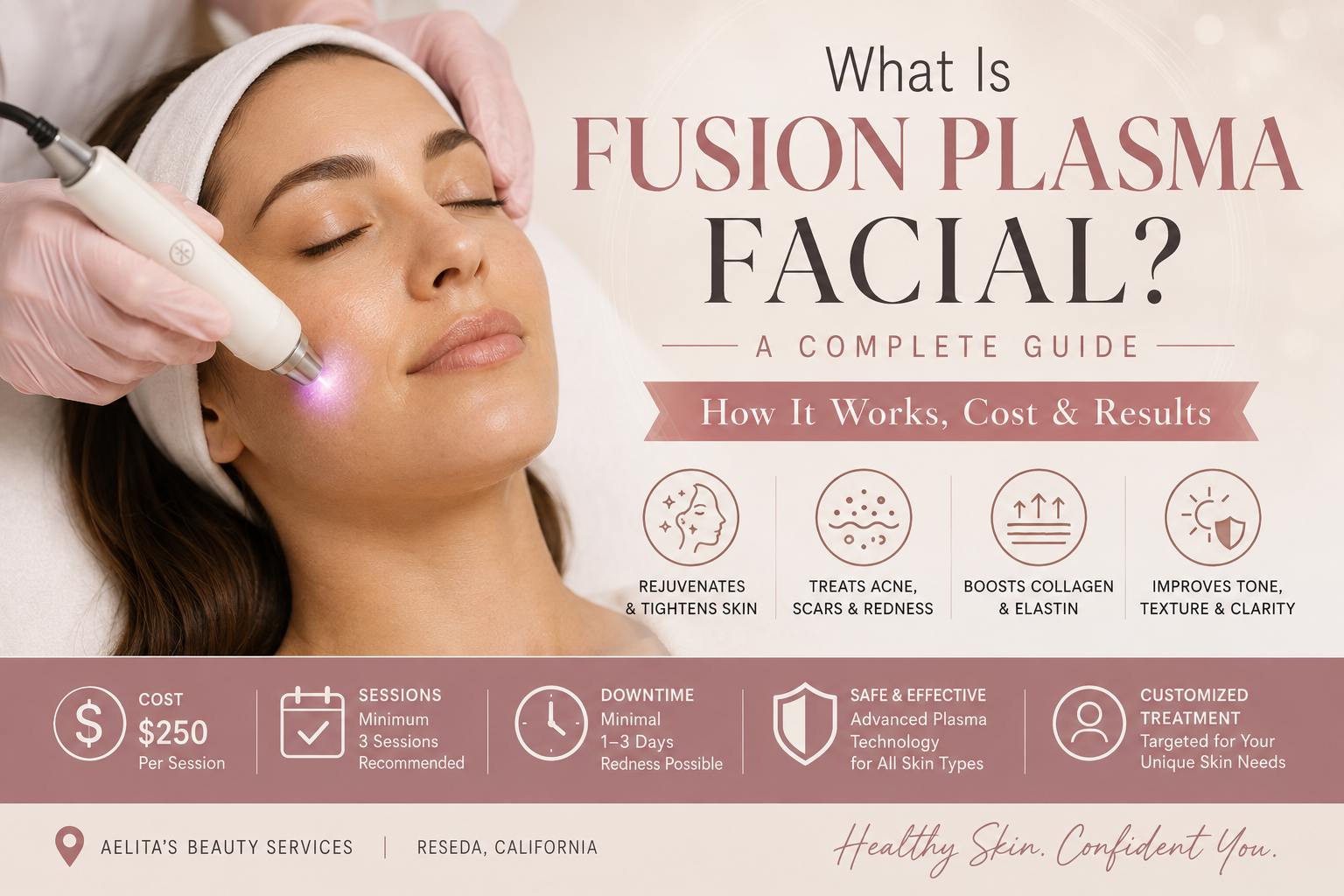
Tiny needles create micro-injuries; RF adds heat for enhanced tightening.
Best for: Acne scars, enlarged pores, fine lines, mild laxity, overall texture. Downtime: 1–3 days redness. Advantages: Safe for darker skin tones; combinable with serums/PRP. Results: Gradual improvement over 3–6 sessions.
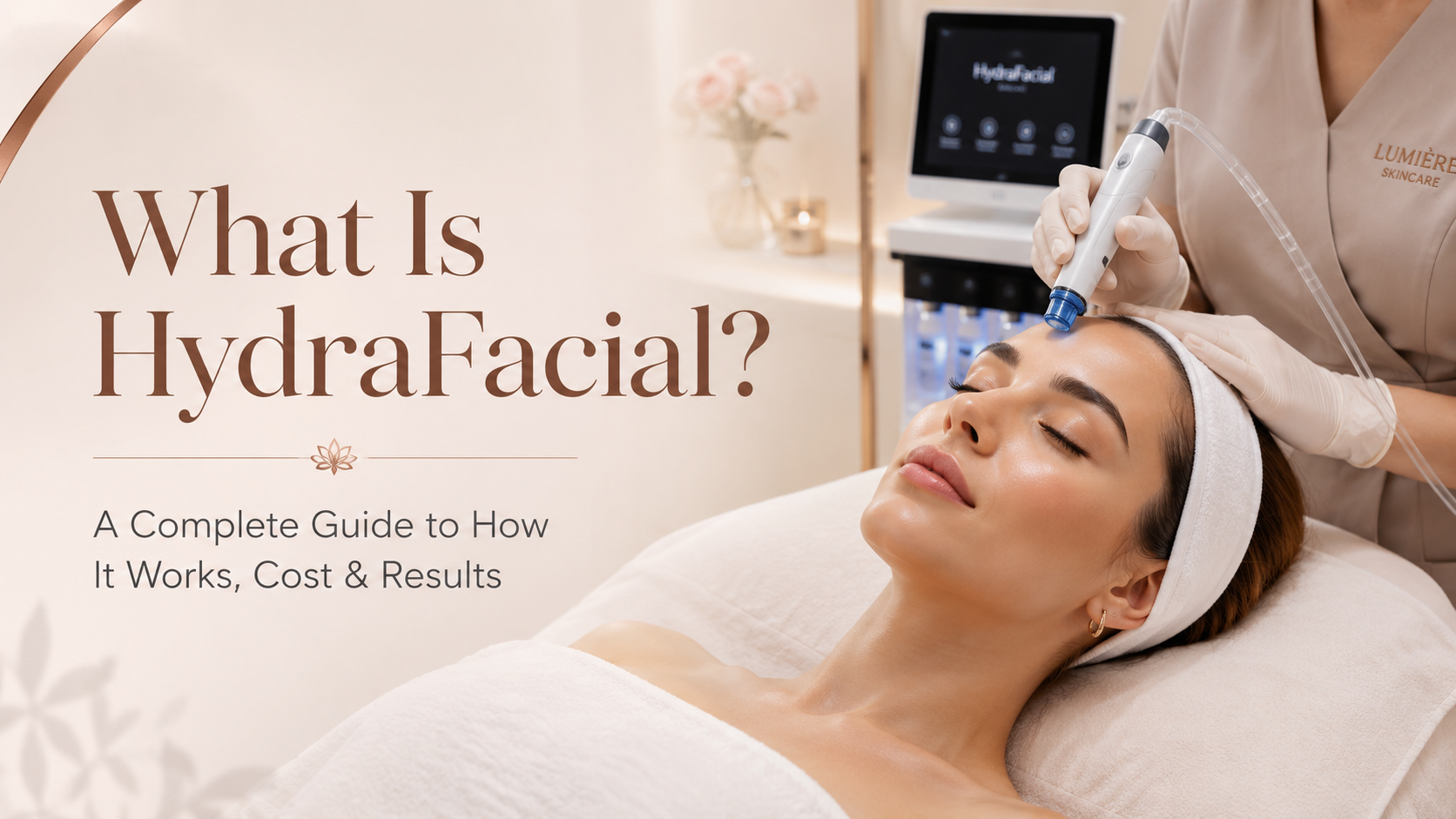
4. Mechanical Resurfacing (Microdermabrasion, Dermabrasion, HydraFacial)
Physical exfoliation via crystals, diamond tips, or water/jets.
Best for: Very mild concerns, maintenance, sensitive skin. Downtime: Minimal. Less effective for deeper issues than chemical or laser methods.
Matching Treatments to Specific Skin Concerns
Acne and Active Breakouts Salicylic acid peels or superficial BHAs reduce oil and inflammation. Avoid deep treatments during active flares. Laser Genesis or IPL for redness.
Acne Scars (Atrophic/Pitted) Fractional CO2 or Erbium lasers lead for depth. RF microneedling and medium TCA peels offer strong alternatives. Multiple sessions needed.
Hyperpigmentation & Melasma Superficial glycolic/lactic peels or non-ablative lasers (with caution). Chemical peels often preferred initially for melasma to avoid laser-induced worsening. Combine with topical brighteners.
Fine Lines & Wrinkles Medium peels for surface; ablative fractional lasers for deeper rhytides. Non-ablative for prevention.
Sun Damage & Age Spots Medium-depth TCA or IPL/BBL for spots; full resurfacing for texture.
Rosacea & Redness Gentle non-ablative vascular lasers or very light peels. Avoid aggressive options.
Dullness & Texture Light chemical peels or HydraFacial for quick glow. Microneedling for lasting improvement.
Considerations by Skin Type (Fitzpatrick Scale)
Types I–III (Fair): Tolerate most treatments well, including deep peels and ablative lasers.
Types IV–VI (Medium to Dark): Prioritize gentler options — superficial peels, non-ablative lasers, RF microneedling — with test spots and pre/post hydroquinone. Higher PIH risk.
Always consult a board-certified dermatologist or plastic surgeon for personalized assessment.
Procedure Experience, Downtime & Aftercare
Most start with cleansing and numbing (for deeper treatments). Sessions range 15–60 minutes. Post-care emphasizes hydration, strict sun protection (SPF 50+), and avoiding actives until healed. Expected side effects: redness, swelling, peeling. Rare risks include infection, scarring, or pigmentation changes.
Costs (2026 Averages, USD per Session)
Light chemical peel: $100–$250
Medium TCA: $300–$800
Deep phenol: $1,000–$3,500+
Non-ablative laser: $400–$1,200
Fractional ablative: $1,500–$5,000
RF Microneedling: $600–$1,500
Packages and maintenance lower long-term costs.
Combination Approaches & Future Trends
Many achieve optimal results combining modalities — e.g., peel + microneedling or laser + topicals. Emerging options include nano-laser peels, AI-customized protocols, and regenerative additives like exosomes.
Real Patient Outcomes
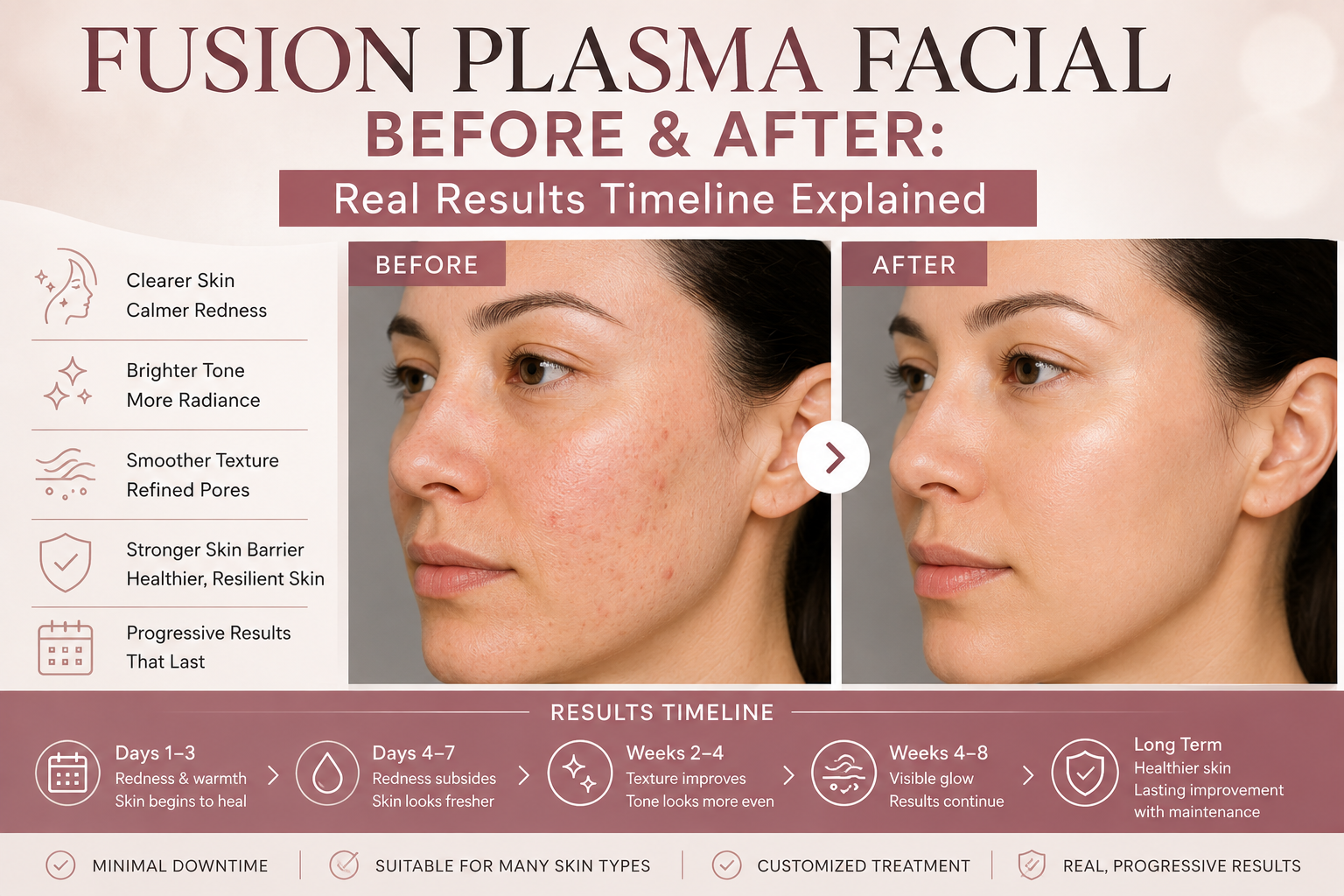
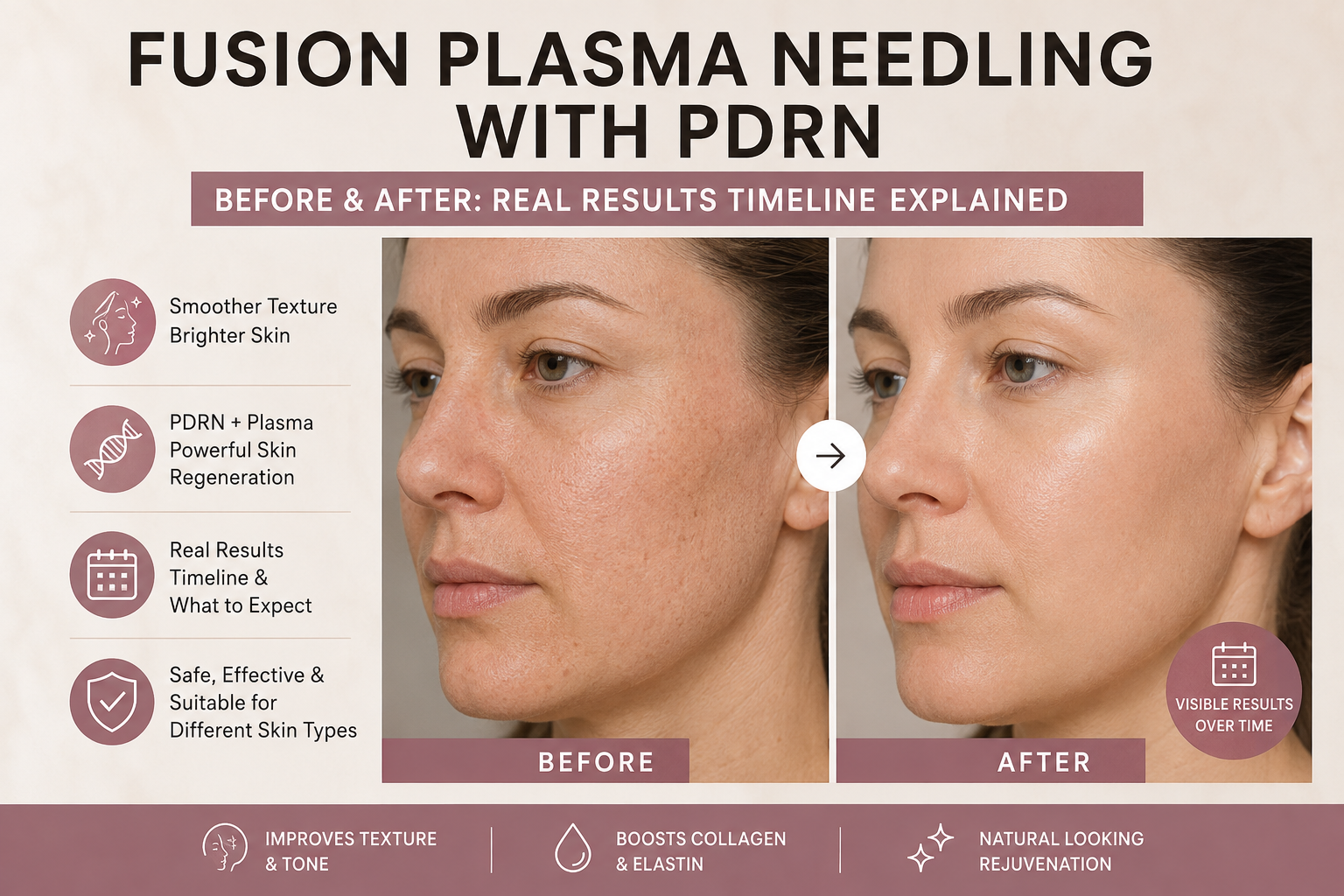
Patients with moderate photoaging often see 50–70% improvement in wrinkles and tone after medium peels or fractional lasers. Acne scar patients report 40–80% texture enhancement after 3–5 laser or RF sessions. Consistency with skincare maximizes longevity (1–5+ years depending on treatment and lifestyle).
Choosing the Right Treatment: Decision Framework
Identify primary concern(s) and severity.
Assess downtime tolerance and skin type.
Budget and commitment to series.
Consult professional for exam and test patch.
Chemical peels suit surface brightening and are more affordable; lasers deliver precision and deeper remodeling; microneedling bridges with minimal risk.
Conclusion
Peels and resurfacing treatments offer powerful paths to transform skin concerns into confidence. By understanding options and matching them to your unique needs, you can achieve smoother, brighter, younger-looking skin safely and effectively. Schedule a consultation with a trusted provider to map your personalized journey — your skin’s best version awaits.