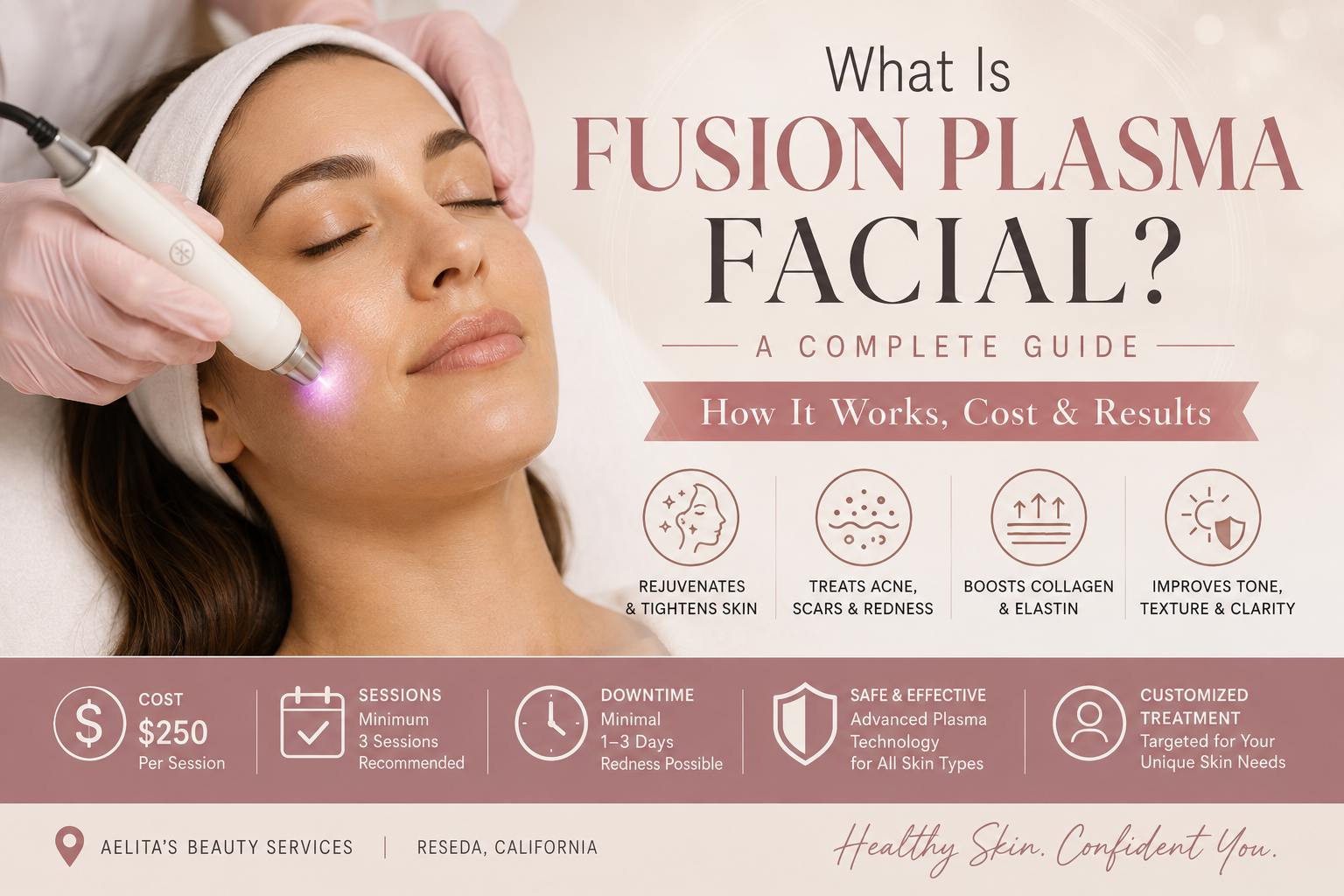
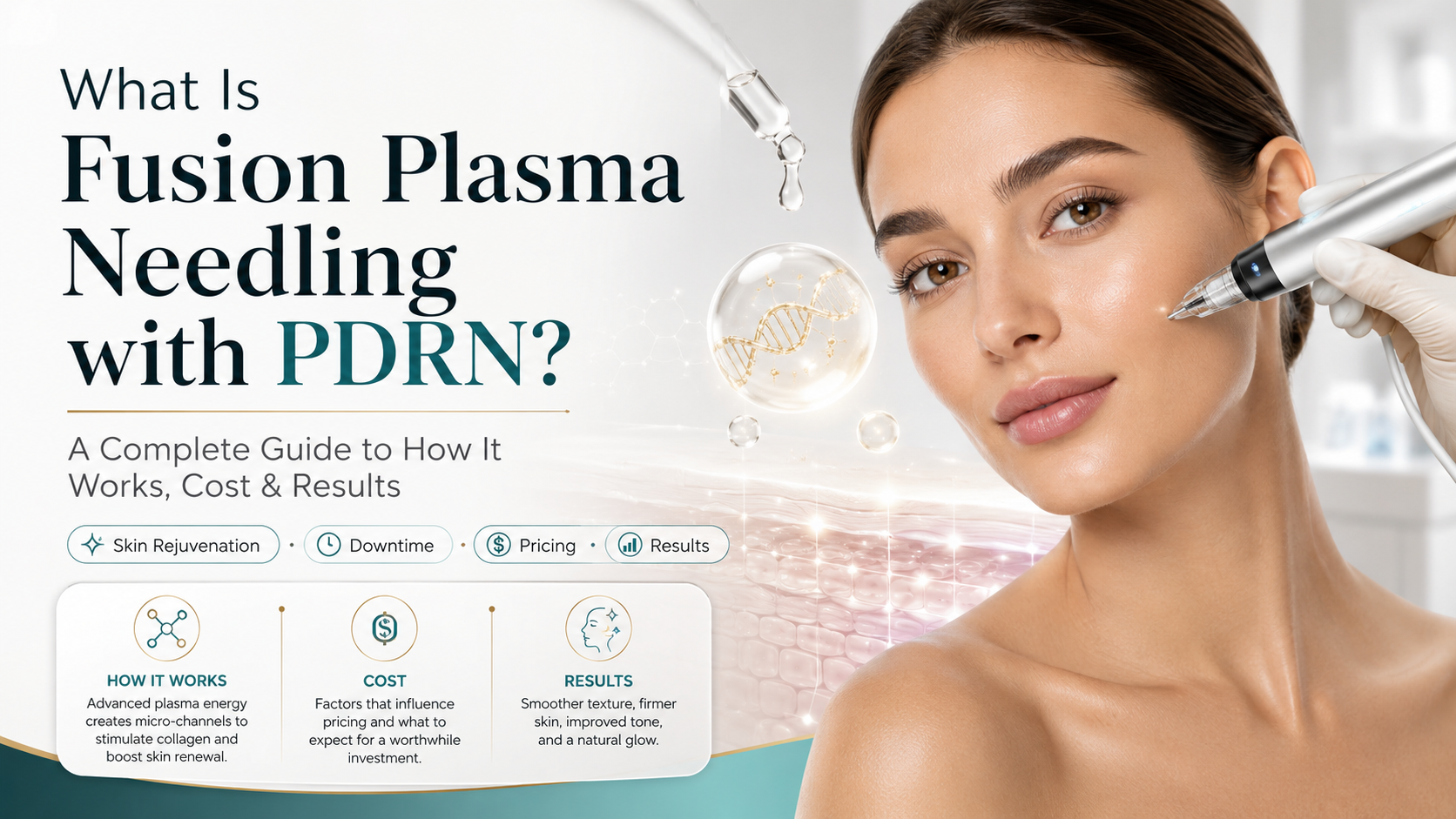
Fusion plasma needling with PDRN is quickly gaining traction as one of the most talked-about skin rejuvenation treatments in the aesthetics industry — and for good reason. It combines two powerful technologies into a single protocol: plasma needling for controlled micro-damage and deep product delivery, paired with PDRN (polydeoxyribonucleotide) to accelerate cellular repair and regeneration from the inside out.
But with growing popularity comes growing confusion. What exactly does the treatment involve? How much does it cost? Is it painful? How long do results last? And most importantly, is it actually worth it?
This fusion plasma needling with PDRN guide answers all of those questions in plain language — no clinical jargon, no vague promises. Whether you're a patient researching your options or an esthetician considering adding it to your service menu, everything you need to know is right here.
How Does Fusion Plasma Needling with PDRN Work?
To understand the treatment, it helps to break it into its two core components.
The Plasma Needling Element
Plasma needling uses ionised gas (plasma) to create controlled micro-injuries on the skin's surface. Unlike traditional microneedling, which relies on physical needles puncturing the skin, plasma needling delivers energy-based micro-trauma. This triggers the body's natural wound-healing response — stimulating collagen and elastin production, encouraging cell turnover, and improving skin texture and tone.
The plasma energy also creates temporary micro-channels in the skin. These channels are the key to the second half of the treatment, because they allow active ingredients to penetrate far deeper than topical application alone would ever achieve.
The PDRN Element
PDRN stands for polydeoxyribonucleotide — a bioactive compound derived from salmon DNA. Before you raise an eyebrow, this ingredient has a solid foundation in wound-healing research and regenerative medicine. It works by activating the A2A adenosine receptor, which plays a central role in tissue repair, anti-inflammatory response, and angiogenesis (the formation of new blood vessels).
When PDRN is delivered through the micro-channels created by plasma needling, it reaches the deeper layers of the dermis where it can genuinely influence cellular behaviour. The result is faster healing, improved hydration, enhanced skin elasticity, and a visible reduction in fine lines, scarring, and dullness.
The Fusion Effect
Individually, both plasma needling and PDRN are effective. Combined, they amplify each other. The plasma needling creates the pathway; the PDRN provides the regenerative fuel. This synergy is what makes the fusion approach more effective than either component used in isolation — and it's why the treatment has generated such strong interest from both patients and practitioners.
Fusion Plasma Needling with PDRN Benefits
The fusion plasma needling with PDRN benefits span both immediate skin-quality improvements and longer-term structural changes. Here's what the treatment can realistically deliver:
Collagen and elastin stimulation. The controlled micro-trauma from plasma needling kicks the skin's repair mechanisms into action. PDRN supports and accelerates this process, leading to firmer, more resilient skin over the weeks following treatment.
Improved skin texture and tone. Rough texture, enlarged pores, dullness, and uneven tone all respond well to the combination of plasma resurfacing and PDRN-driven cellular renewal.
Fine line and wrinkle reduction. As new collagen forms and the skin's structural matrix strengthens, fine lines soften and shallow wrinkles become less pronounced. This is a gradual improvement, not an overnight transformation.
Scar improvement. Acne scarring, superficial surgical scars, and post-inflammatory marks can all benefit. The plasma energy breaks down old scar tissue whilst PDRN promotes healthier tissue regeneration in its place.
Enhanced hydration. PDRN has a notable ability to improve the skin's moisture retention at a cellular level. Patients frequently report a lasting plumpness and dewiness that goes beyond what topical moisturisers can achieve.
Reduced pigmentation. Whilst not a dedicated pigmentation treatment, many patients see improvement in sun damage, melasma, and post-inflammatory hyperpigmentation — particularly over a course of sessions.
Faster healing and reduced downtime. One of PDRN's standout qualities is its ability to speed up recovery. Compared to plasma needling alone, the addition of PDRN typically shortens the healing window and reduces redness and irritation.
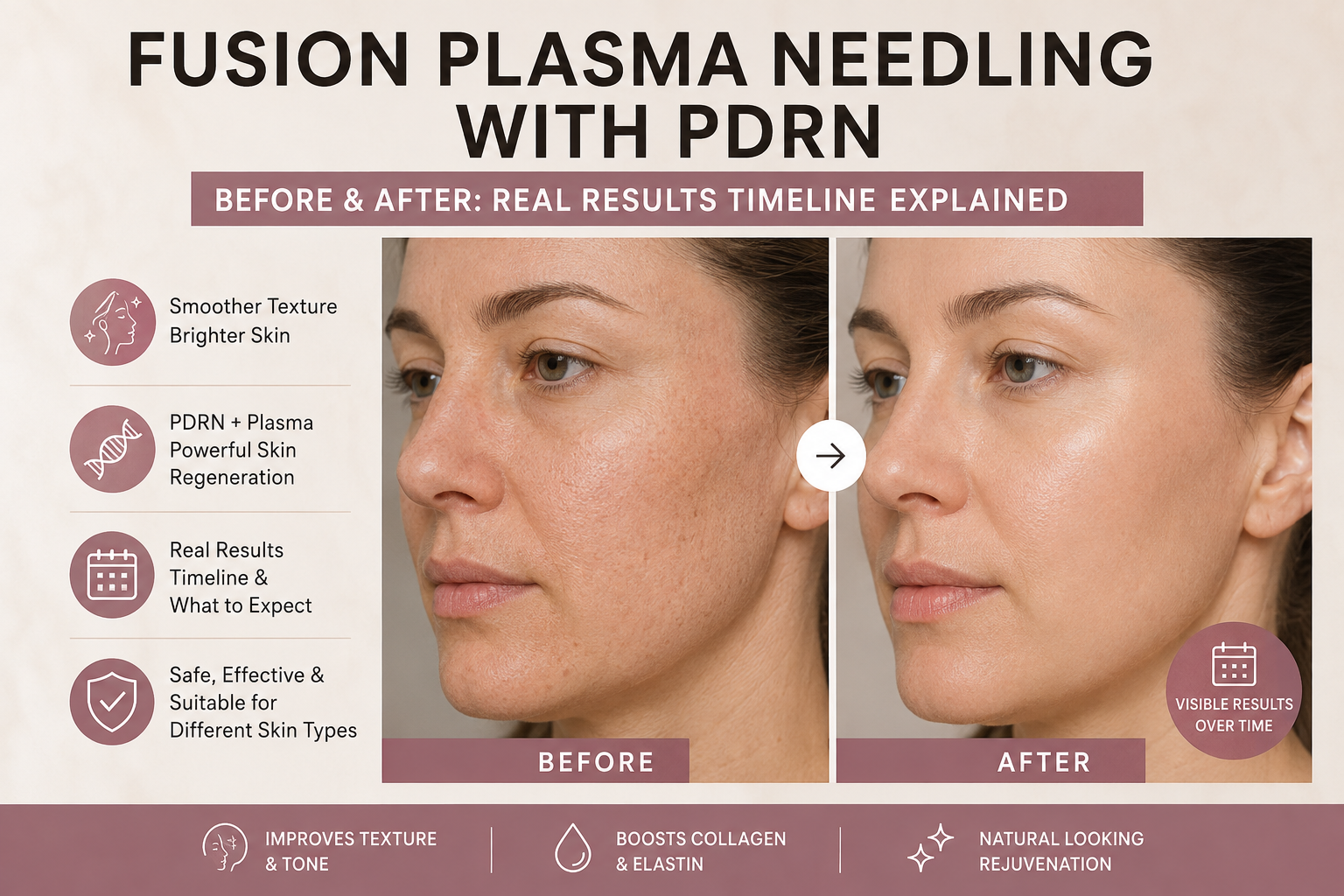
Fusion Plasma Needling with PDRN Before and After: What to Expect
Understanding fusion plasma needling with PDRN before and after expectations helps you gauge whether this treatment aligns with your goals.
Before Your Treatment
Your practitioner should conduct a thorough consultation beforehand. This includes a skin assessment, a review of your medical history, a discussion about your concerns and goals, and an explanation of what the treatment can and cannot achieve.
In the days leading up to your appointment, you'll typically be advised to avoid active skincare ingredients such as retinoids, AHAs, and BHAs for at least 48 to 72 hours. Sun exposure should be minimised, and fake tan should be removed. If you're prone to cold sores, your practitioner may recommend antiviral medication as a precaution.
During the Treatment
A topical numbing cream is applied 20 to 30 minutes before the procedure begins. Once the skin is prepped, the practitioner uses the plasma device across the treatment area, creating the micro-channels. PDRN solution is then applied and worked into the skin through these channels.
The entire process typically takes 45 to 90 minutes depending on the size of the area being treated. Most patients describe the sensation as a warm prickling — noticeable but manageable.
Immediately After
Expect redness, mild swelling, and a sensation similar to moderate sunburn. The skin may appear flushed and feel warm to the touch. Tiny pinpoint marks or crusts may form where the plasma energy was delivered — these are normal and will resolve within a few days.
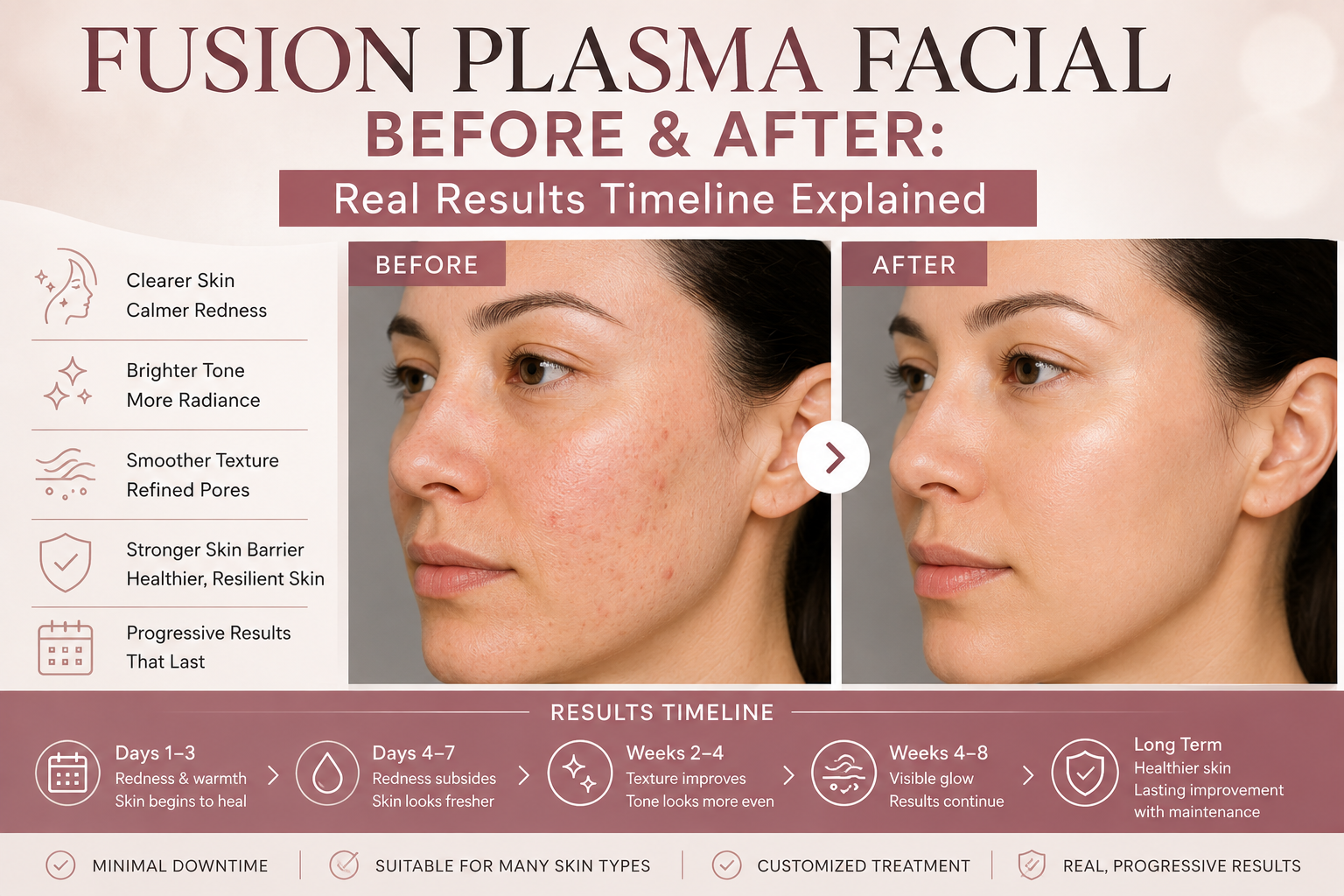
Days 1–3
Redness and swelling peak within the first 24 to 48 hours, then begin to subside. The skin may feel tight and dry. Avoid touching, picking, or applying make-up to the treated area during this period. Your practitioner will recommend a gentle, hydrating aftercare routine.
Days 4–7
The skin starts to settle. Redness fades significantly, and any micro-crusts begin to flake away naturally. Many patients notice an initial glow emerging during this phase as the surface skin renews.
Weeks 2–6
This is where the real changes develop. Skin texture smooths out, tone evens, fine lines soften, and the overall complexion looks brighter and healthier. Collagen remodelling is well underway, and the PDRN continues to support tissue repair beneath the surface.
Months 2–6
Full results typically mature over this period. Collagen production continues for several months post-treatment, meaning improvements in firmness, elasticity, and skin quality keep progressing long after the procedure itself.
Fusion Plasma Needling with PDRN Cost
Fusion plasma needling with PDRN cost varies depending on several factors, and it's worth understanding what drives the price rather than simply shopping for the cheapest option.
Typical pricing in the UK:
A single session for a full face generally ranges from £250 to £500.
Neck or décolletage add-ons typically cost an additional £100 to £200 per area.
A course of three to four sessions, which most practitioners recommend for optimal results, is often offered at a discounted package rate — typically between £600 and £1,500.
What influences the cost:
Location: Clinics in central London and other major cities tend to charge more than those in smaller towns, reflecting higher overheads.
Practitioner experience: A highly trained esthetician or medical professional with years of experience in plasma treatments will often charge more — and that premium generally reflects in the quality and safety of your treatment.
Product quality: The grade and source of the PDRN used matters. Medical-grade PDRN from reputable suppliers costs the clinic more, which is reflected in the treatment price.
Treatment area: Larger or multiple areas naturally cost more than a single-zone treatment.
A word of caution: Be wary of prices significantly below the ranges above. PDRN is a specialist product, and plasma devices require proper training and maintenance. Rock-bottom pricing can sometimes indicate corners being cut on product quality, equipment, or practitioner qualifications.
Fusion Plasma Needling with PDRN Side Effects
Every treatment carries some degree of risk, and being upfront about fusion plasma needling with PDRN side effects is part of making an informed decision.
Common side effects (expected and temporary):
Redness and flushing lasting two to five days
Mild swelling, particularly around the eyes and forehead
Skin tightness and dryness during the healing phase
Tiny pinpoint scabs or crusting at treatment sites
Mild tenderness or sensitivity to touch
Less common side effects:
Prolonged redness beyond seven days (more likely in sensitive skin types)
Post-inflammatory hyperpigmentation, particularly in darker skin tones (Fitzpatrick IV–VI) if aftercare isn't followed carefully
Minor bruising in areas with thinner skin
Temporary breakouts as the skin purges during the renewal process
Rare side effects:
Infection (minimised by proper aftercare and sterile technique)
Scarring (extremely rare when performed by a trained professional)
Allergic reaction to PDRN (very uncommon, but should be discussed during consultation)
The vast majority of patients experience only the common, short-lived effects listed above. Choosing a qualified practitioner and following aftercare instructions diligently are the two most effective ways to minimise risk.
Is Fusion Plasma Needling with PDRN Safe?
The short answer is yes — when performed correctly by a trained professional. The question of is fusion plasma needling with PDRN safe is entirely reasonable, and it deserves a thorough answer.
Plasma needling technology has been used in aesthetics for several years with a well-documented safety profile. PDRN has an even longer track record in regenerative medicine, having been used in wound healing, orthopaedics, and dermatology across Europe and Asia for over a decade.
The combination of the two has not raised any unique safety concerns beyond those associated with each component individually. That said, safety is only as good as the person delivering the treatment and the environment in which it's performed.
Key safety considerations:
Ensure your practitioner is appropriately qualified and insured
The treatment should be performed in a clean, clinical environment with sterile equipment
A patch test or detailed consultation should be conducted before your first session
Your full medical history, including allergies and medications, should be reviewed
Aftercare instructions should be provided in writing, not just verbally
If any practitioner dismisses your safety questions or rushes through the consultation, consider that a red flag.
Fusion Plasma Needling with PDRN Results: How Long Do They Last?
One of the most important practical questions is fusion plasma needling with PDRN results how long they actually persist. Here's what to expect.
Short-term results (weeks 1–4): An immediate improvement in skin hydration, glow, and smoothness is typically visible within the first week or two. These early results are partly due to the PDRN's hydrating and anti-inflammatory effects.
Medium-term results (months 1–3): As collagen remodelling progresses, improvements in firmness, fine lines, texture, and tone become more pronounced. This is when most patients feel the treatment has truly delivered.
Long-term results (months 3–12): With a proper course of sessions and good aftercare, results can last between six and twelve months. Collagen doesn't disappear overnight — it degrades gradually over time, meaning the improvements taper rather than vanish suddenly.
Factors that affect longevity:
The number of sessions completed (a full course lasts longer than a single treatment)
Your age and baseline skin quality
Sun exposure habits
Skincare routine consistency
Overall health, hydration, and lifestyle choices
Whether maintenance sessions are undertaken
Fusion Plasma Needling with PDRN vs Other Treatments
Comparing fusion plasma needling with PDRN vs other treatments helps position it within the broader landscape of skin rejuvenation options.
Vs Traditional Microneedling: Standard microneedling uses physical needles to create micro-injuries. It's effective, well-established, and more affordable per session. However, plasma needling delivers energy-based micro-trauma that can be more precisely controlled, and the micro-channels it creates tend to allow deeper product penetration. Adding PDRN elevates the regenerative response beyond what microneedling with a standard serum achieves.
Vs Chemical Peels: Peels work from the surface down, removing damaged outer layers to reveal fresher skin beneath. They're excellent for texture, pigmentation, and mild scarring. Fusion plasma needling with PDRN works from the inside out — stimulating repair at a deeper dermal level. For patients seeking structural improvement (firmness, elasticity, collagen density), plasma needling with PDRN has the edge. For surface-level concerns alone, a peel may be sufficient and more cost-effective.
Vs Laser Resurfacing: Fractional laser treatments are powerful tools for scarring, pigmentation, and skin tightening. They tend to carry more downtime (five to ten days of significant redness and peeling) and a higher price point. Fusion plasma needling with PDRN offers a middle ground — meaningful results with shorter recovery. For severe scarring or deep wrinkles, laser may still be the stronger option.
Vs PRP (Platelet-Rich Plasma) Facials: PRP uses the patient's own blood, processed to concentrate growth factors, which is then applied to micro-channelled skin. The concept is similar to the PDRN approach. PDRN, however, provides a standardised, consistent concentration of regenerative compounds, whereas PRP quality varies depending on the patient's blood composition, health status, and the centrifuge process used. Both are effective, but PDRN removes some of the variability.
Vs Dermal Fillers or Botox: These are entirely different categories. Fillers add volume; Botox relaxes muscles. Neither addresses skin quality at a cellular level. Fusion plasma needling with PDRN improves the skin itself — its texture, tone, firmness, and resilience. Many patients combine the approaches: injectables for structure and volume, plasma needling with PDRN for overall skin health.
Fusion Plasma Needling with PDRN Downtime
The fusion plasma needling with PDRN downtime is one of its more appealing features compared to more aggressive resurfacing treatments.
Day of treatment: Redness and warmth are immediate. You'll likely want to head straight home rather than attend social or professional engagements.
Days 1–2: Peak redness and mild swelling. Most patients prefer to stay out of the public eye during this window. Working from home is feasible; client-facing meetings may not be.
Days 3–5: Redness fades noticeably. Micro-crusts may be present but are easily concealed with mineral make-up once your practitioner gives the all-clear (usually from day three or four).
Days 5–7: Most patients feel comfortable returning to normal social and professional activities. Residual pinkness can usually be covered with light make-up if needed.
Overall: Plan for two to three days of genuine social downtime, and up to seven days before your skin looks fully settled. Compared to fractional laser (seven to fourteen days) or deep chemical peels (ten to fourteen days), the recovery window is significantly shorter.
How Often Should You Have Fusion Plasma Needling with PDRN?
How often fusion plasma needling with PDRN should be performed depends on your skin goals and starting point.
Initial course: Most practitioners recommend a course of three to four sessions, spaced four to six weeks apart. This allows each session to build on the collagen and cellular repair initiated by the previous one.
Maintenance: After completing the initial course, a single maintenance session every three to six months helps sustain results. Some patients with particularly good skin quality may stretch this to every six to nine months.
Targeted concerns: For deeper acne scarring, significant sun damage, or more advanced ageing, a longer initial course of five to six sessions may be advised, followed by more frequent maintenance.
What to avoid: Having sessions too close together (less than three weeks apart) doesn't allow the skin adequate time to heal and can actually compromise results. More is not always better — the skin needs time to complete each repair cycle before the next round of stimulation.
Who Are the Ideal Fusion Plasma Needling with PDRN Candidates?
Understanding whether you're among the suitable fusion plasma needling with PDRN candidates involves considering several factors.
Ideal candidates typically:
Are concerned about fine lines, dull skin, uneven texture, mild to moderate scarring, or early signs of ageing
Have generally good overall health
Are not currently pregnant or breastfeeding
Have realistic expectations about what the treatment can achieve
Are willing to commit to a course of sessions rather than expecting a single-treatment miracle
Can follow aftercare instructions consistently
The treatment may not be suitable if you:
Have active acne, eczema, psoriasis, or rosacea flare-ups in the treatment area
Are currently using isotretinoin (Roaccutane) or have used it within the past six months
Have a history of keloid scarring
Have an active skin infection or open wounds in the treatment area
Have certain autoimmune conditions (discuss with your practitioner)
Are undergoing chemotherapy or radiation treatment
A thorough consultation with a qualified esthetician or medical practitioner will determine your suitability and help you avoid treatments that aren't right for your skin.
Fusion Plasma Needling with PDRN Pain Level
The fusion plasma needling with PDRN pain level is a common concern, especially for first-time patients. Here's what to realistically expect.
Before the treatment: A topical anaesthetic cream (typically containing lidocaine) is applied 20 to 30 minutes before the procedure. This numbs the skin significantly and makes the experience far more comfortable.
During the treatment: Most patients describe the sensation as a warm prickling or tingling, similar to tiny pinpricks combined with a mild heat. Some areas are more sensitive than others — the forehead, upper lip, and jawline tend to be slightly more uncomfortable, whilst the cheeks and neck are generally easier to tolerate.
On a scale of one to ten, most patients rate the discomfort between three and five — noticeable but entirely manageable. Very few patients find it genuinely painful.
After the treatment: A sunburn-like sensation persists for several hours. This typically eases by the following morning. Over-the-counter pain relief is rarely needed but can be taken if desired.
How it compares: Fusion plasma needling with PDRN is generally considered less uncomfortable than deep microneedling (particularly at longer needle depths), fractional laser, and medium-depth chemical peels. The addition of PDRN actually helps soothe the skin post-treatment due to its anti-inflammatory properties.
The Role of the Esthetician in Fusion Plasma Needling with PDRN
The esthetician fusion plasma needling with PDRN relationship is worth understanding, because practitioner skill is one of the single biggest variables in your outcome.
Training and qualifications: Not every esthetician is trained in plasma technology. The device requires specific training — both in the physics of plasma energy and in the clinical application of PDRN. Look for practitioners who hold accredited certifications in plasma treatments and who can evidence ongoing professional development.
Assessment skills: A skilled esthetician will assess your skin thoroughly before recommending treatment. They'll consider your skin type, sensitivity, concerns, medical history, and lifestyle factors before building a bespoke treatment plan. A one-size-fits-all approach is a warning sign.
Technical execution: The depth of plasma penetration, the energy settings used, the amount and concentration of PDRN applied, and the treatment pattern all affect results. Precision matters, and it comes with experience.
Aftercare guidance: A good practitioner doesn't just perform the treatment and send you on your way. They provide clear, written aftercare instructions, are available for follow-up questions, and schedule a review appointment to assess how your skin has responded.
Questions to ask your esthetician:
What specific training have you completed in plasma needling and PDRN application?
How many fusion plasma needling treatments have you performed?
Can I see before-and-after photos from your own patients?
What brand of PDRN do you use, and why?
What does your aftercare protocol involve?
Are you insured to perform this treatment?
Fusion Plasma Needling with PDRN Reviews: What Are Patients Saying?
Whilst individual fusion plasma needling with PDRN reviews vary, several themes consistently emerge across patient feedback.
What patients tend to praise:
The visible improvement in skin glow and hydration, often noticeable within the first week
Shorter downtime than expected, particularly compared to laser treatments
Gradual but meaningful improvement in fine lines and texture over a course of sessions
The overall comfort of the procedure with topical numbing
The professionalism and thoroughness of the consultation process (at reputable clinics)
Where patients express caution:
Results require patience — those expecting an instant transformation are sometimes disappointed after session one
Cost can feel significant, particularly for a full course of treatments
The first 48 hours of redness and swelling can feel more intense than anticipated, even when warned
Finding a genuinely qualified practitioner requires research, as the treatment is offered by practitioners with varying levels of training
A note on reviews: Always look for reviews that mention the specific clinic and practitioner by name, describe the treatment experience in detail, and ideally include genuine before-and-after photos. Generic, vague reviews — whether glowing or critical — are less reliable as a decision-making tool.
Frequently Asked Questions
Can fusion plasma needling with PDRN be used on all skin types?
Yes, though treatment parameters need to be adjusted for different skin types. Darker skin tones (Fitzpatrick IV–VI) require lower energy settings and more cautious aftercare to minimise the risk of post-inflammatory hyperpigmentation. A practitioner experienced in treating diverse skin types is essential.
Can I wear make-up after the treatment?
Most practitioners advise avoiding make-up for the first 24 to 48 hours. After that, mineral make-up is generally permitted. Full make-up application is usually fine from day three to five, depending on how your skin is healing.
Is PDRN the same as PRP?
No. PRP (platelet-rich plasma) is derived from your own blood and contains growth factors. PDRN is a standardised bioactive compound derived from salmon DNA that activates specific cellular repair pathways. Both promote regeneration, but through different mechanisms.
Can I combine this treatment with Botox or fillers?
Yes, but timing matters. Most practitioners recommend spacing fusion plasma needling at least two weeks before or after injectable treatments to avoid interference with either procedure's results.
How do I find fusion plasma needling with PDRN near me?
Search for accredited aesthetic clinics and qualified estheticians in your area who specifically list fusion plasma needling with PDRN on their treatment menu. Verify their credentials, check patient reviews, and always book a consultation before committing. Professional directories and industry accreditation bodies are good starting points.
Is there anyone who should definitely avoid this treatment?
Pregnant and breastfeeding women, anyone with active skin infections or inflammatory skin conditions in the treatment area, patients currently on isotretinoin, and those with a history of keloid scarring should avoid this treatment. A full medical questionnaire during consultation will identify any additional contraindications.
What happens if I only do one session?
A single session can still deliver noticeable improvement in hydration, glow, and texture. However, the deeper structural benefits — collagen remodelling, scar improvement, significant wrinkle reduction — build cumulatively over a course. One session is a taster; a full course is where the real transformation happens.
Final Thoughts
Fusion plasma needling with PDRN occupies a compelling space in the skin rejuvenation market — offering deeper, longer-lasting results than many surface-level treatments, without the significant downtime and cost of surgical or aggressive laser procedures.
The key to a good outcome lies in three things: choosing a skilled, properly trained practitioner; setting realistic expectations from the outset; and committing to the aftercare and maintenance that protect your investment.
If you've been considering this treatment, a thorough consultation is always the right first step. Ask the difficult questions, request genuine before-and-after evidence, and make sure you feel confident in both the practitioner and the plan before you proceed.